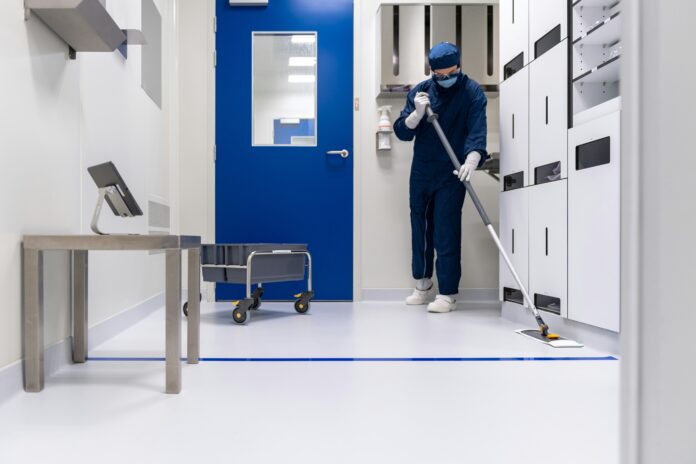
Maintaining cleanliness in commercial spaces is essential for ensuring safety, hygiene, and a polished professional environment. High-traffic locations such as corporate offices, airports, healthcare facilities, warehouses, and retail centers face constant wear on floors and communal areas due to continuous footfall throughout the day.
As these venues expand in size and extend their operational hours, the challenge of upholding cleanliness standards intensifies for facility management teams. Simultaneously, many organizations seek innovative maintenance solutions that integrate seamlessly without interrupting daily workflows.
Emerging technologies are increasingly integral to streamlining routine cleaning operations, enabling businesses to manage complex environments more effectively. This article explores how robotic cleaning solutions are revolutionizing commercial facility management and large-scale sanitation efforts.
Emergence of Robotic Cleaning Solutions in Commercial Spaces
Automation through robotic cleaning devices is gaining traction in expansive commercial settings. As the scale of facilities grows and cleanliness expectations rise, many enterprises are adopting robotic systems to deliver uniform cleaning results across vast areas.
Organizations often collaborate with specialized providers in commercial robotics and facility automation to identify the best-fit robotic solutions for their needs. Experts in this field assist in integrating automated cleaning and security robots, ensuring smooth transitions while maintaining high maintenance standards.
Key reasons driving the adoption of cleaning robots in commercial environments include:
Augmenting Workforce Efficiency in Large Facilities
Cleaning extensive floor spaces, including wide corridors, open-plan offices, and public zones, demands considerable labor hours. Robotic cleaners alleviate this burden by managing routine floor care, freeing human staff to concentrate on detailed sanitation, inspections, and targeted cleaning tasks that require manual attention.
Ensuring Uniform Cleaning Quality
Consistent cleanliness is critical in commercial settings. Robots follow pre-programmed routes to systematically cover assigned areas, guaranteeing dependable cleaning coverage even during peak activity periods. This methodical approach supports facility teams by maintaining continuous floor hygiene.
Extended Operation for Around-the-Clock Cleanliness
Many commercial properties operate beyond traditional business hours, limiting windows for maintenance. Robotic cleaners can function during off-peak times such as early mornings or late nights, preserving cleanliness without disrupting employees, visitors, or business operations.
Advanced Features of Commercial Cleaning Robots
Designed for autonomous operation in busy environments, commercial cleaning robots integrate sophisticated sensors, intelligent programming, and specialized cleaning technologies to uphold high standards across large spaces.
By automating repetitive cleaning duties, these robots enable staff to focus on more complex maintenance responsibilities.
Notable capabilities include:
Intelligent Navigation and Mapping
Equipped with advanced sensors and mapping software, these robots create detailed layouts of facility interiors. This allows them to navigate hallways, open areas, and intricate spaces efficiently while avoiding obstacles, ensuring thorough coverage without constant human intervention.
Adaptable Cleaning Modes for Diverse Surfaces
Commercial buildings often feature multiple flooring types such as hardwood, carpet, tile, and vinyl. Many robotic cleaners offer adjustable settings tailored to each surface, ensuring optimal cleaning performance and protecting floor integrity.
Obstacle Recognition and Safety Mechanisms
Safety sensors detect furniture, equipment, and people, prompting the robot to slow down or reroute to prevent collisions. This capability allows robots to operate safely alongside staff and visitors without causing disruptions or accidents.
Advantages of Integrating Cleaning Robots in Facility Management
Robotic cleaning systems significantly enhance a facility’s ability to maintain cleanliness over large, high-traffic areas such as lobbies, hallways, and warehouse floors with minimal supervision. This continuous upkeep ensures spaces remain inviting and hygienic throughout the day, reducing lapses in routine cleaning.
Additionally, robots alleviate the physical demands on cleaning personnel by taking over monotonous tasks that can lead to fatigue and injury. This shift enables staff to dedicate more attention to specialized cleaning, sanitation, and quality inspections, improving overall operational efficiency and reducing burnout risks.
Automated cleaning schedules also facilitate better resource management. Facility managers can allocate human workers to tasks requiring critical thinking and interaction, while robots handle consistent floor maintenance.
Looking Forward: The Evolution of Service Robots in Commercial Cleaning
Future advancements in autonomous cleaning technology promise to expand the scope and sophistication of robotic maintenance. Enhanced artificial intelligence will enable robots to dynamically adjust cleaning patterns based on real-time data, such as foot traffic density and surface conditions, optimizing hygiene without interrupting daily activities.
Integration with smart building systems-linking robots to occupancy sensors, lighting controls, and HVAC units-will further improve efficiency by scheduling cleaning during low-traffic periods and reducing energy consumption.
Moreover, AI-driven navigation and cleaning capabilities are expected to extend beyond floor care to include targeted disinfection and surface sanitation, addressing evolving health and safety requirements.
Conclusion
Incorporating robotic cleaning technology transforms facility maintenance from a routine chore into a strategic advantage. These systems not only boost operational efficiency but also provide valuable data insights that support informed decision-making and smarter resource allocation.
As automation continues to advance, commercial facilities adopting robotic cleaners will be better equipped to meet rising cleanliness standards, enhance safety, and improve workforce productivity.