Revolutionising Aged Care in Australia: The Rise of Emotion-Sensitive Companion Robots
In Australia, discussions about aged care have traditionally revolved around a few critical aspects: adequate funding, appropriate staffing levels, and the widespread preference for seniors to age comfortably within their own homes. While the aspiration to “age in place” remains strong, the technology supporting this goal has often been rudimentary and reactive rather than proactive.
From Reactive to Proactive: A New Era in Home-Based Elder Care
Conventional aged care technologies typically rely on basic devices such as motion detectors that only activate after an incident like a fall, or wearable gadgets that track steps without providing context for changes in activity levels. These tools offer limited foresight, responding only once a problem has already occurred.
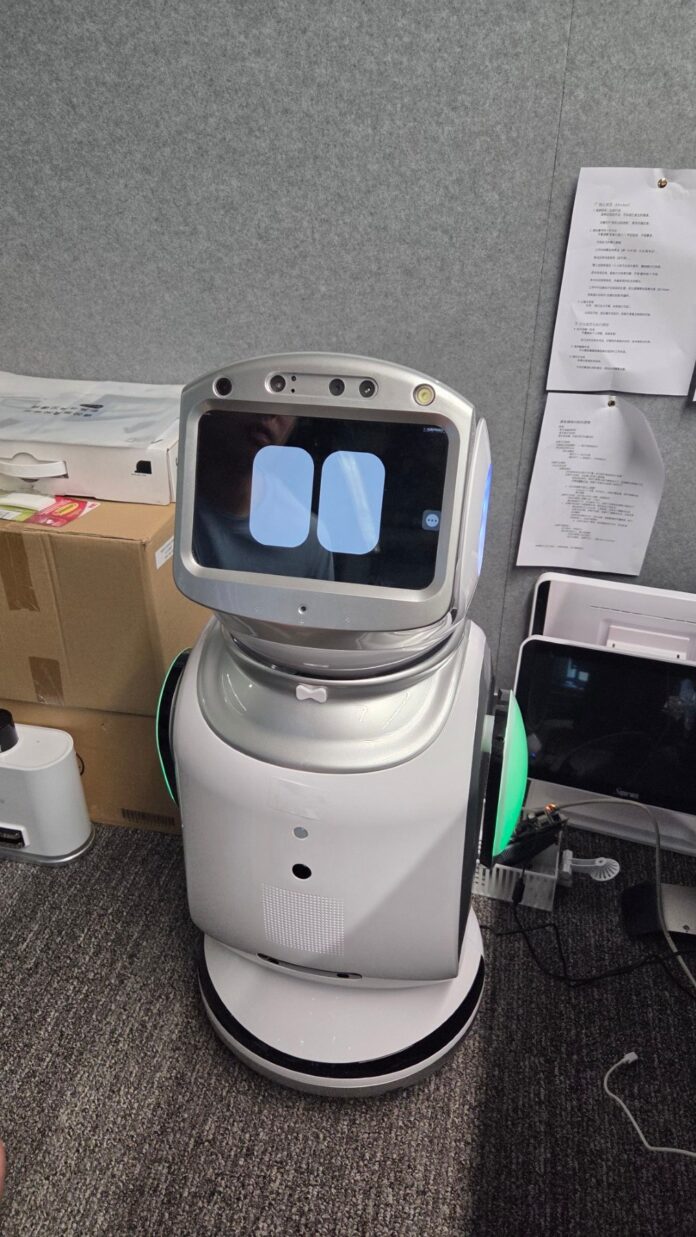
Enter AIBUILD, an Australian leader in applied artificial intelligence, which has introduced a groundbreaking solution: companion robots equipped with emotion recognition and predictive analytics. These autonomous devices are designed to detect subtle physical and emotional changes in older adults well before they escalate into emergencies, marking a fundamental shift in preventative care.
Understanding the Limitations of Current Technologies
Existing systems focus heavily on reaction-alerting caregivers after an event such as a fall. However, they fail to provide insights into the underlying causes or early warning signs that precede such incidents. This gap leaves families and care providers without the crucial information needed to intervene early and prevent harm.
AIBUILD’s companion robots address this by continuously learning an individual’s normal behaviour patterns, including movement, posture, and daily routines. By establishing this baseline, the robots can identify even the slightest deviations that might indicate emerging health risks, which are often missed during brief human check-ins.
How Emotion-Aware Robots Enhance Preventative Care
These intelligent robots combine advanced camera-based perception, sensor fusion, and real-time AI processing to monitor both physical and emotional wellbeing without requiring the user to wear any devices or alter their habits. They analyze movement fluidity, stability, and conversational cues such as speech patterns and emotional tone, offering a comprehensive view of the individual’s health.
For example, a gradual slowdown in walking speed or increased hesitation when standing up can signal declining mobility, while changes in speech or social engagement may reveal early signs of loneliness, anxiety, or cognitive decline. Detecting these subtle indicators days or even weeks in advance enables timely, targeted interventions that can prevent serious incidents.
Bridging the Gap Between Data and Human Care
One of the most transformative aspects of this technology is its ability to convert isolated data points into actionable insights. Families receive regular wellbeing updates through a dedicated app, while professional caregivers access detailed trend analyses via an administrative platform. This shared, contextualised information fosters coordinated care efforts and improves outcomes for older adults.
Importantly, the system is designed to complement-not replace-the human element of caregiving. It serves as an early warning tool that alerts qualified professionals to potential issues, allowing them to provide timely support while respecting the dignity and privacy of the individual.
Respecting Privacy and Preserving Dignity
Introducing AI-powered cameras into private homes naturally raises concerns about surveillance and personal privacy. AIBUILD has prioritised these ethical considerations by ensuring the technology operates unobtrusively and sensitively. The emotion-aware features are developed in collaboration with psychotherapists to ensure emotional signals are interpreted with care and confidentiality.
This approach recognises that emotional wellbeing is as vital as physical health, addressing issues like loneliness-which research shows can be as harmful as chronic illness-through discreet monitoring and timely human intervention.
Looking Ahead: The Future of Ageing in Place
AIBUILD’s companion robots represent a significant leap forward for Australia’s aged care sector, moving beyond simple monitoring to a system that truly understands and supports the complex needs of older adults. By enabling earlier detection of risks and fostering stronger connections between seniors, families, and care providers, this innovation promises to enhance safety, independence, and quality of life for those choosing to age at home.
As the population of Australians aged 65 and over continues to grow-expected to reach nearly 20% by 2030-such advancements are critical to meeting the increasing demand for effective, compassionate aged care solutions.