Elon Musk’s Vision: The Future of Work, Currency, and AI
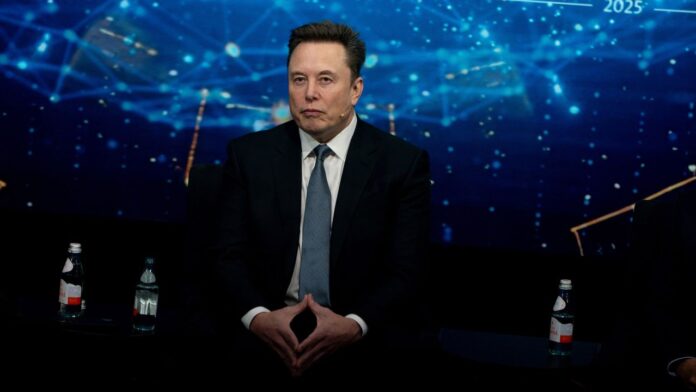
Elon Musk, the CEO of Tesla and SpaceX, is no stranger to making provocative predictions about technology and society. Recently, at a prominent investment forum in Washington, D.C., Musk shared his unconventional view on the future of currency and labor, sparking widespread debate.
When Money Becomes Obsolete: Musk’s Radical Forecast
Musk suggested that, eventually, traditional money might lose its significance. Drawing an analogy, he compared work to growing vegetables in a backyard-something optional and pursued more for passion than necessity. He explained, “At some point, I think currency becomes irrelevant.” While acknowledging physical constraints like energy and materials will remain, Musk envisions a world where economic exchange as we know it fades away.
Though this idea challenges conventional logic, it reflects Musk’s broader belief in a future shaped by automation and artificial intelligence (AI). However, the path to this vision remains unclear, especially for those currently dependent on wages to meet daily needs.
The Impact of AI on Employment: A Double-Edged Sword
There is growing consensus among experts that AI and automation will drastically reshape the job market. According to a 2023 McKinsey report, up to 92 million jobs worldwide could be displaced by automation by 2030. Conversely, Goldman Sachs projects that technological advancements may create approximately 300 million new jobs globally within the same timeframe, though the nature of these roles will differ significantly from today’s positions.
This transformation raises critical questions about how societies will adapt to widespread job displacement and whether new economic models will emerge to support displaced workers.
Elon Musk: Innovator, Influencer, and Enigma
Musk’s influence extends beyond his companies. With millions of followers on social media platforms like X (formerly Twitter), he shapes public discourse on technology and the future. Yet, his statements often provoke mixed reactions due to their impulsive nature and lack of detailed plans.
Over the past decade, Musk has revolutionized electric vehicles with Tesla, advanced space exploration through SpaceX, and ventured into social media ownership. Despite his declared intent to divest physical possessions, he remains the wealthiest individual globally, with a compensation package among the largest ever awarded to a CEO.
Challenges in Musk’s Utopian Vision
While Musk envisions AI and humanoid robots eradicating poverty and making work optional, he has yet to present a concrete strategy to realize this future for the average person. His focus on ambitious projects like colonizing Mars and developing futuristic vehicles often seems disconnected from the immediate economic struggles faced by many.
For example, his Cybertruck, though innovative, remains out of reach for most consumers, highlighting a gap between visionary technology and everyday affordability. Meanwhile, many workers juggle multiple jobs just to cover basic expenses, underscoring the complexity of transitioning to a post-work economy.
Reflecting on Musk’s Journey and Legacy
Having followed Musk’s career for over a decade, it’s clear that his blend of brilliance, unpredictability, and ambition has driven significant technological progress. Early encounters revealed a man managing vast enterprises through simple tools like email, yet capable of moments of personal charm-such as whistling “Fly Me to the Moon.”
Today, Musk’s vision continues to challenge norms and inspire debate about the future of humanity, technology, and society’s economic foundations.