Elon Musk Foresees a Future Where Employment Becomes Optional Due to AI and Robotics
Elon Musk, the renowned technology entrepreneur, has projected that within the next one to two decades, the rapid evolution of artificial intelligence and robotics could render traditional work unnecessary. This transformative shift could fundamentally alter how societies function and how economies operate worldwide.
Work as a Choice, Not a Necessity
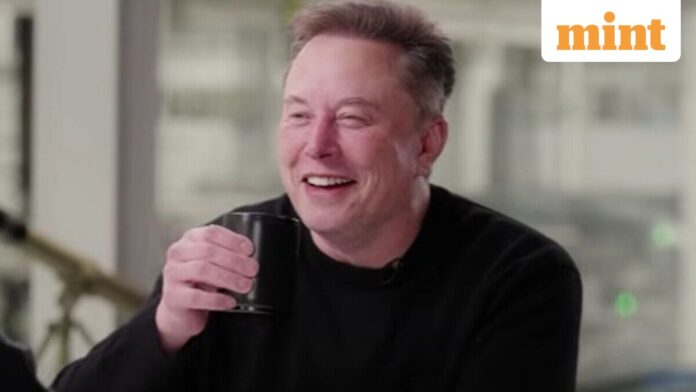
During an insightful discussion on the People by WTF podcast hosted by Zerodha co-founder Nikhil Kamath, Musk expressed his belief that employment will transition from being a compulsory activity to an optional one. He stated, “My forecast is that in the future, working will be a choice rather than an obligation.” Musk acknowledged that this prediction might be challenged in the coming years but remains confident that advancements in AI and robotics will enable people to engage in work on their own terms, potentially within the next 10 to 20 years.
Drawing Parallels: Growing Your Own Food vs. Buying It
To clarify his vision, Musk compared the future of work to the decision between growing vegetables at home or purchasing them from a store. While cultivating your own produce requires effort and dedication, many find it rewarding. However, it remains an optional activity rather than a necessity. Similarly, Musk envisions a world where working will be a voluntary pursuit, driven by personal fulfillment rather than economic survival.
Universal Access to Goods and Services Through Technological Progress
Musk also highlighted that ongoing innovations in AI and robotics could democratize access to goods and services, making them widely available to everyone. He emphasized, “With the rapid pace of technological progress, people will be able to obtain virtually anything they desire. If you can conceive it, you can have it.” This suggests a future where automation not only reduces the need for labor but also enhances quality of life by providing abundant resources.
Implications for Society and the Economy
As AI systems and robotic technologies continue to advance-evidenced by recent breakthroughs in machine learning and autonomous robotics-this shift could lead to profound changes in employment patterns, income distribution, and social welfare models. For instance, countries experimenting with universal basic income are already exploring ways to adapt to a future where traditional jobs may be scarce. Musk’s vision aligns with these emerging trends, suggesting a paradigm where human creativity and leisure take precedence over obligatory labor.
Looking Ahead: The Role of AI and Robotics in Shaping Work
Current data shows that AI adoption in industries such as manufacturing, healthcare, and logistics is accelerating, with global AI market revenues expected to surpass $500 billion by 2024. Robotics is increasingly handling complex tasks, from surgical assistance to warehouse automation. These developments reinforce Musk’s outlook that within a generation, the nature of work will be fundamentally redefined, potentially making employment a matter of personal choice rather than economic necessity.