Not long ago, spotting a robot navigating a hotel lobby was a novelty that sparked curiosity. Guests eagerly snapped photos, staff hovered nearby ready to assist, and operators silently hoped the device wouldn’t break down during service. That spectacle has now faded. Today’s advancements are subtler but far more impactful.
Within the hospitality sector, artificial intelligence and robotics have transitioned from experimental gadgets to essential operational components. Where operators once questioned, “Does this technology really work?” the conversation has shifted to, “How quickly can we expand its use?”
Practical Robotics Transforming Hotel Operations
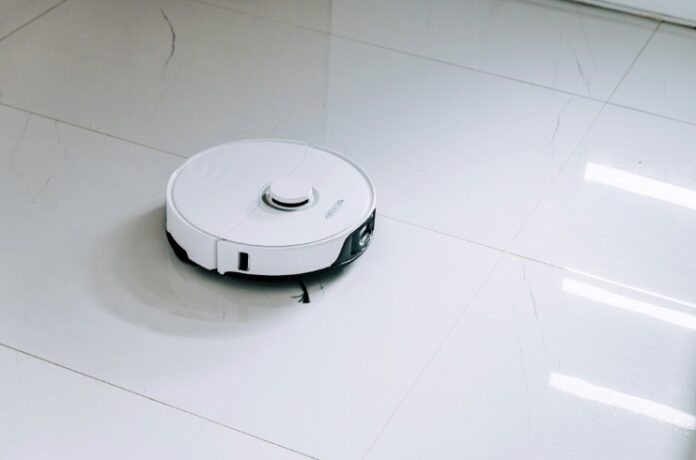
Currently, the most significant robotic innovations are revolutionizing housekeeping. Autonomous cleaning machines that sanitize corridors during off-hours, delivery robots transporting linens and room service items without burdening staff, and robotic aids supporting housekeeping teams are easing the physical demands of one of the industry’s toughest jobs. Leading hotel chains such as Marriott and Hilton have discreetly incorporated autonomous floor scrubbers into their routine maintenance, yielding measurable improvements in labor productivity and reducing workplace injuries. This shift marks a move away from flashy lobby demonstrations toward meaningful back-of-house applications.
Proactive AI Enhancing Operational Efficiency
Predictive AI has long been a buzzword at industry conferences, but only recently has it begun to fulfill its promise. Advanced revenue management platforms now integrate diverse data points-ranging from local event calendars and employment trends to travel search behaviors-to generate accurate forecasts. These insights empower hotel managers to optimize staffing levels and pricing strategies well in advance. Similarly, AI-driven maintenance systems detect equipment malfunctions early, preventing guest disruptions. These incremental operational gains accumulate over time, significantly boosting profitability.
Next-Generation Chatbots Elevating Guest Interaction
Conversational AI once struggled with a reputation for being ineffective and frustrating. Early chatbot implementations were often rigid and failed to meet guest expectations. The latest iterations, however, represent a substantial leap forward. Hotels handling millions of guest communications annually now successfully route a significant portion through AI-powered messaging platforms that resolve inquiries autonomously. This evolution allows staff to concentrate on personalized guest experiences that demand human empathy and decision-making.
Addressing the Fragmented Technology Landscape
Despite growing AI investments, many hotels face challenges due to disjointed technology ecosystems. Properties frequently operate five to seven disparate systems that lack seamless integration, limiting the effectiveness of AI overlays. Fortunately, both operators and technology providers are increasingly transparent about these issues, driving efforts toward system consolidation and interoperability. However, this foundational work requires strong leadership commitment beyond the IT department and is often overlooked because it lacks immediate glamour.
Empowering Staff Through Technology Integration
Progressive hotel leaders are not focused on replacing employees with machines but on augmenting their capabilities through technology. This approach involves reimagining workflows, investing in comprehensive staff training, and maintaining open communication about evolving job roles. Hotels that embrace AI and robotics as tools to enhance their workforce, rather than threats, will emerge from this transformative period with a competitive advantage.
The experimental phase of AI and robotics adoption in hospitality is behind us. Moving forward, success hinges less on the specific technologies chosen and more on the willingness to fundamentally redesign operations around these innovations.