
Hyundai Motor Group’s Vision: Robotics and AI as Pillars of Future Growth
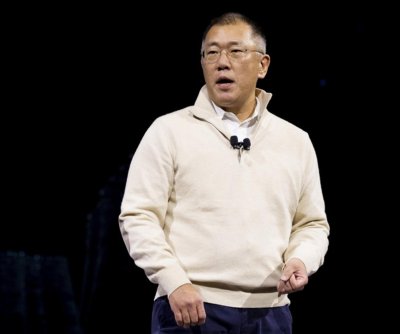
Chung Eui-sun, Hyundai Motor Group’s executive vice chairman, recently highlighted the company’s strategic focus on robotics and artificial intelligence (AI) as essential drivers for its next phase of expansion. With a commitment to invest $26 billion in the United States by 2028, Hyundai is positioning itself at the forefront of integrating advanced technologies into its industrial operations.
Transitioning Beyond Traditional Automotive Manufacturing
Hyundai Motor Group is actively evolving from its core automotive roots toward what it terms “physical AI”-the fusion of robotics and AI applied directly to tangible industrial environments. This shift aims to revolutionize manufacturing processes and product development by embedding intelligent machines that work alongside human operators.
In a recent interview, Chung emphasized the company’s dedication to developing collaborative robots designed to enhance human productivity rather than replace it. This human-centric approach to AI robotics is central to Hyundai’s strategy, with plans to introduce humanoid robots into manufacturing lines by 2028. The goal is to scale production to as many as 30,000 units annually by 2030, leveraging innovations from Boston Dynamics, a Hyundai affiliate renowned for its advanced robotic technologies.
Enhancing Manufacturing Efficiency Through AI Integration
As consumer expectations become increasingly sophisticated, Hyundai recognizes the necessity of incorporating robotics and AI to boost manufacturing precision and efficiency. Chung pointed out that the synergy between humans, robots, and AI will be pivotal in driving productivity improvements and maintaining high-quality standards in vehicle production.
Strategic Emphasis on the U.S. Market and Localization
The United States remains a cornerstone of Hyundai’s global strategy. Over the past four decades, the group has invested approximately $20.5 billion in the U.S., with plans to increase this investment to $26 billion by 2028. This capital infusion supports not only traditional manufacturing but also the advancement of software-driven innovations within Hyundai’s American production facilities.
To navigate the complexities of global market fluctuations, regulatory changes, and evolving supply chains, Hyundai is adopting a dual approach that balances global expansion with localized operations. This strategy aims to ensure resilience and adaptability amid shifting regional demands.
Commitment to Hydrogen Energy and Sustainable Mobility
Chung reaffirmed Hyundai’s strong dedication to hydrogen as a vital energy source, especially given the rising demand from AI infrastructure and data centers. Under the HTWO brand, Hyundai is expanding its hydrogen ecosystem, encompassing production, storage, transportation, and utilization technologies.
He stressed that hydrogen fuel cell vehicles and electric vehicles are complementary solutions, both essential for a diversified and competitive energy portfolio in the ongoing transition toward sustainable transportation.
Global Reach and Brand Strength
Hyundai Motor Group’s competitive edge is built on a foundation of quality and consumer trust. The combined sales of Hyundai, Kia, and Genesis exceed 7 million vehicles annually, distributed across more than 200 countries. This global footprint is supported by 16 manufacturing plants worldwide, underscoring the group’s extensive production capabilities.
Looking Ahead
By integrating cutting-edge robotics, AI, and sustainable energy solutions, Hyundai Motor Group is charting a course toward a future where technology and human ingenuity coexist to redefine mobility and industrial innovation. The company’s substantial investments and strategic initiatives signal its ambition to lead in the evolving landscape of smart manufacturing and eco-friendly transportation.