Snake Robots: Innovative Allies in Earthquake Rescue Missions
Following a distress call, American robotics experts deployed snake-like robots to Venezuela to aid in disaster relief.
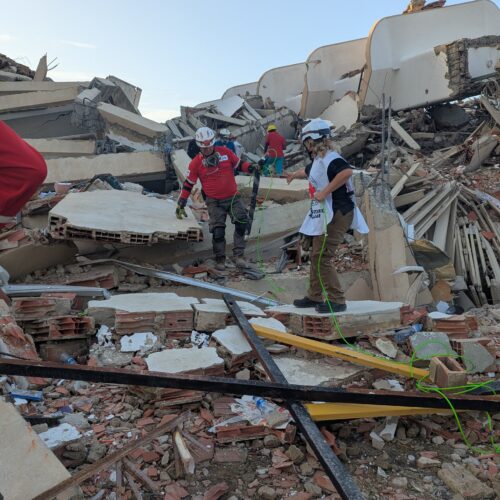
Rescue personnel from Carnegie Mellon University hold one of their snake robots amid the wreckage of a collapsed Venezuelan building.
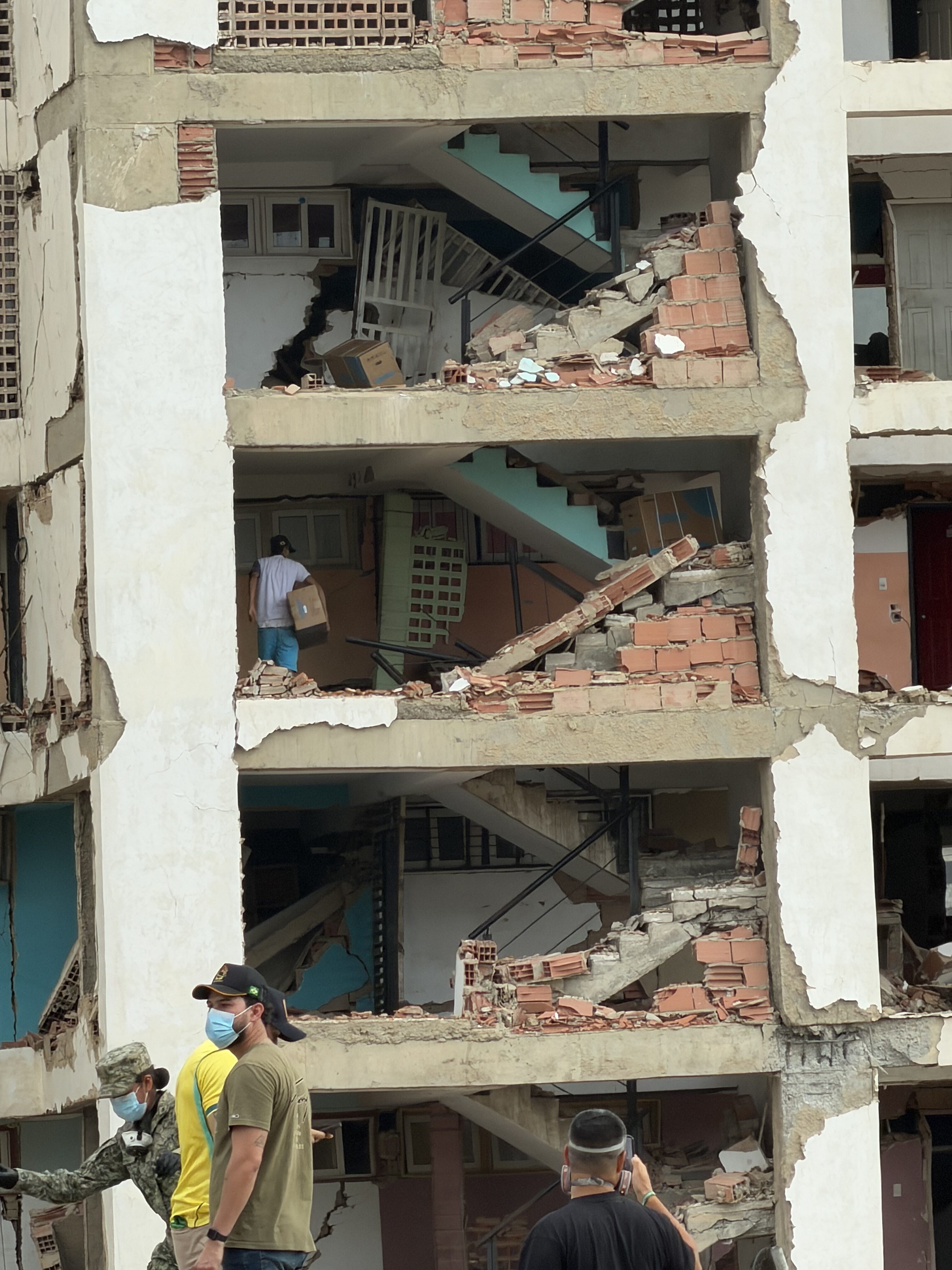
In the wake of Venezuela’s devastating twin earthquakes on June 24, 2026, specialized robots mimicking the movement of snakes navigated through the rubble to locate survivors trapped beneath collapsed structures. These “snakebots” provided a cutting-edge technological advantage in the international rescue operations that followed the disaster, which claimed over 5,000 lives and injured nearly 17,000 people.
Traditional search methods employed by global rescue teams included trained canines, seismic sensors, acoustic detectors, pole-mounted cameras, and thermal imaging. However, the snake robots, equipped with onboard video cameras, excelled at infiltrating narrow crevices inaccessible to humans or heavy machinery, enabling a more thorough inspection of the debris.
Howie Choset, director of Carnegie Mellon University’s Biorobotics Lab, explained, “Snake robots are invaluable because they can penetrate confined spaces that are otherwise unreachable by rescuers or equipment. This capability extends the visual reach of search teams safely and effectively, akin to performing minimally invasive surgery on a damaged building.”
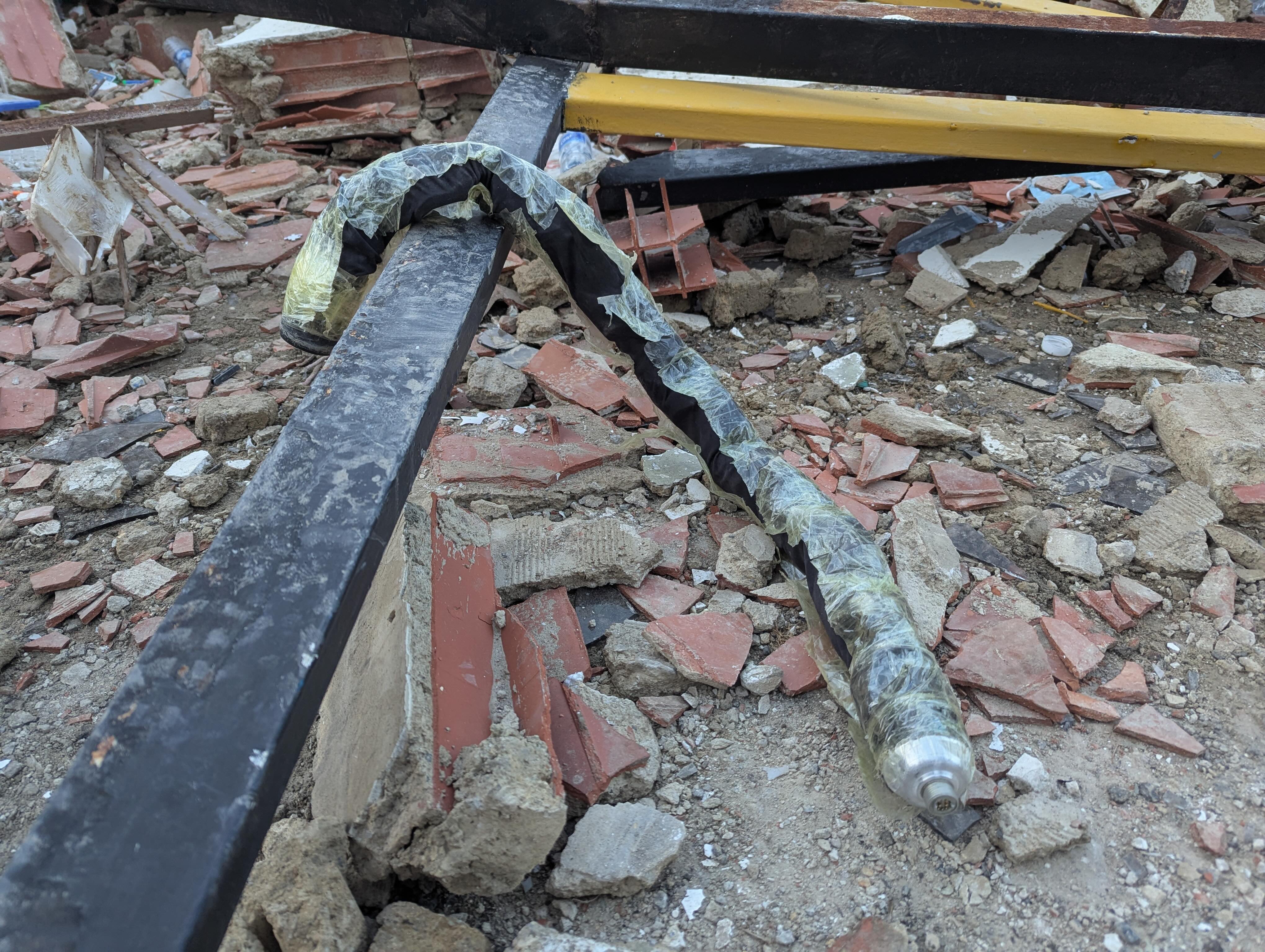
Each snakebot measures approximately four feet in length and features a modular design, allowing individual segments to be swapped or upgraded with ease. Operators control the robots remotely via a video game-style controller connected to a laptop, while sophisticated algorithms autonomously coordinate the robot’s movements to navigate complex environments.
Over nearly 20 years, Choset and his team have refined various iterations of these robots for diverse applications, including underwater exploration, archaeological site investigation, and even assisting in minimally invasive surgeries. Their first deployment in a disaster scenario was during the 2017 Mexico City earthquake, where the snakebots aided in searching a collapsed apartment complex.
From Virtual Inquiry to Real-World Deployment
The idea to send snake robots to Venezuela originated unexpectedly when Beatriz Gonzalez, a Venezuelan expatriate residing in Atlanta, sought assistance through the AI chatbot Grok. Upon learning about the snakebots’ previous success in Mexico City, she contacted Carnegie Mellon’s robotics lab directly.
The researchers, preparing for a public demonstration during the United States’ 250th anniversary celebrations in Pittsburgh, quickly agreed to assist. “We were scheduled to perform between Third Eye Blind and rapper Nelly,” recalled Choset. The team then rushed to ready the robots, replacing cameras and packing extra batteries, before departing within 24 hours with three snakebots.
Their journey included an unexpected delay in Miami, where securing a private jet to Venezuela proved challenging due to governmental restrictions. Gonzalez leveraged her network to facilitate the flight, enabling the team to continue their mission.
Credit: Carnegie Mellon University
On the Ground: Collaborative Rescue Efforts
Upon arrival in Venezuela on June 30, the team was escorted by US Marines and then handed over to the Venezuelan Red Cross. They joined multinational rescue teams in La Guaira, one of the hardest-hit cities, conducting search operations over three days.
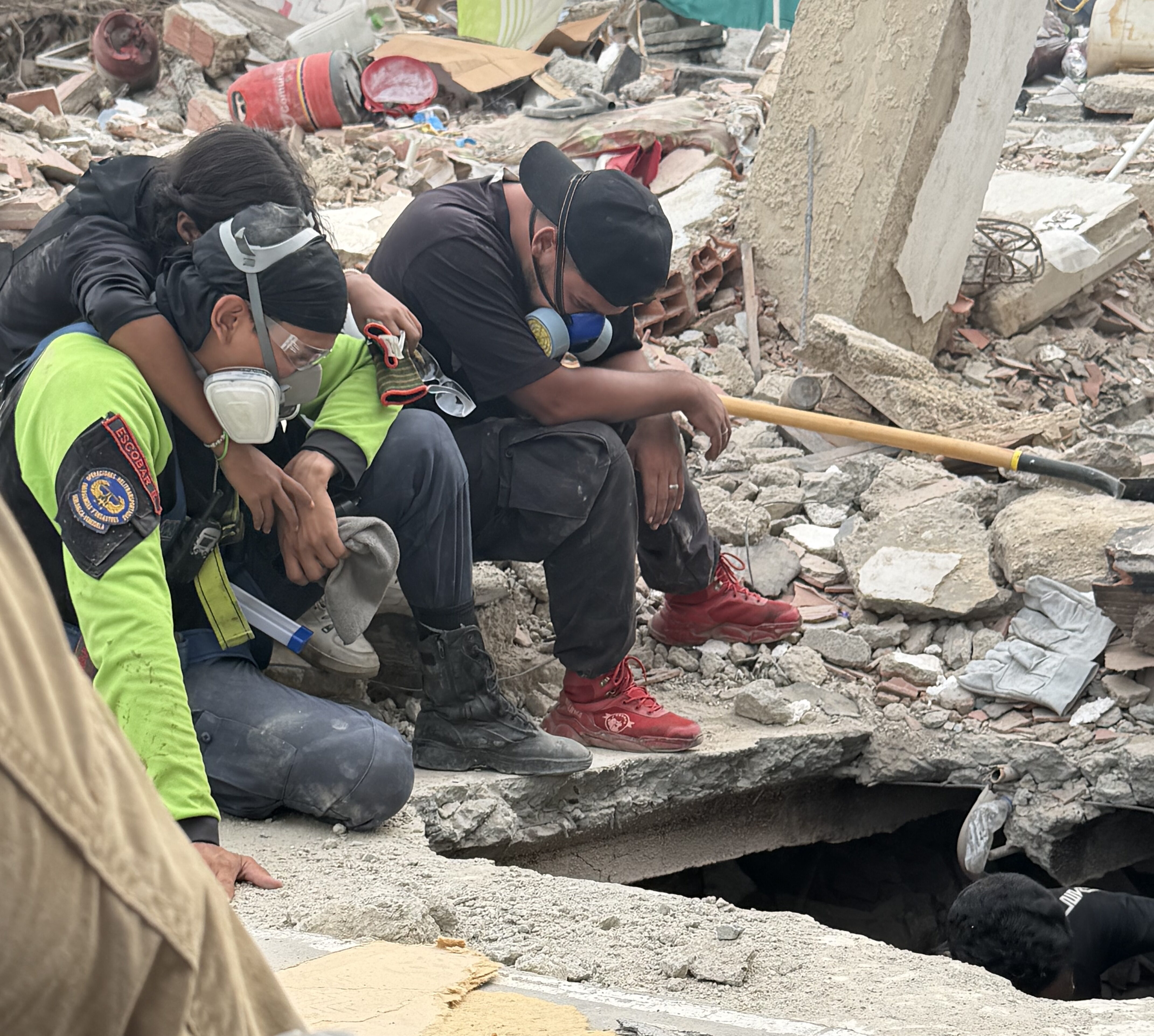
In one notable instance, a Jordanian canine unit had declared a collapsed apartment building void of survivors, while a Colombian team’s infrared scans suggested otherwise. The Carnegie Mellon team deployed a snakebot through a narrow opening, with a Venezuelan father anxiously watching, hoping to find his missing son. Although the robot explored 15 to 20 feet without locating anyone, the family expressed gratitude for the effort.
Choset highlighted the warmth and generosity of the local people, who consistently provided the team with meals, drinks, and even homemade treats despite enduring immense hardship. “Their kindness amidst such tragedy was profoundly moving,” he said.
Credit: Howie Choset
The United Nations has appealed for nearly $300 million to assist over 1.3 million people affected by the disaster, while the World Bank estimates the damage to infrastructure at $19.6 billion.
Meanwhile, geopolitical complexities surround Venezuela’s recovery. The United States reportedly controls over $13 billion in Venezuelan oil revenues following a military operation that captured President Nicolás Maduro and secured cooperation from Vice President Delcy Rodríguez. However, the allocation of these funds toward reconstruction remains uncertain amid Venezuela’s slow economic rebound.
Looking Ahead: Enhancing Rescue Robotics
Although the snakebot team returned to the US without locating survivors, their efforts complemented global rescue operations that saved nearly 6,500 lives. Choset recounted a poignant encounter with a woman whose husband, a security guard, was rescued alive after being trapped for eight days beneath a collapsed shopping center.
Inspired by such stories, the team is focused on advancing the snakebots’ capabilities. Future upgrades include integrating light-based sensors for 3D point cloud mapping, which would provide operators with detailed spatial awareness to better navigate the robots through unstable debris.
Credit: Howie Choset
Post-mission, the team compiled detailed notes to optimize future deployments, emphasizing efficient packing and preparation. While still experimental, these snake robots are evolving into reliable tools for disaster response, thanks to rigorous testing and iterative improvements.
“Our approach has always been to build durable systems that function dependably beyond controlled demonstrations,” Choset noted. “This mindset ensures that when real emergencies arise, the robots perform as intended without constant troubleshooting.”