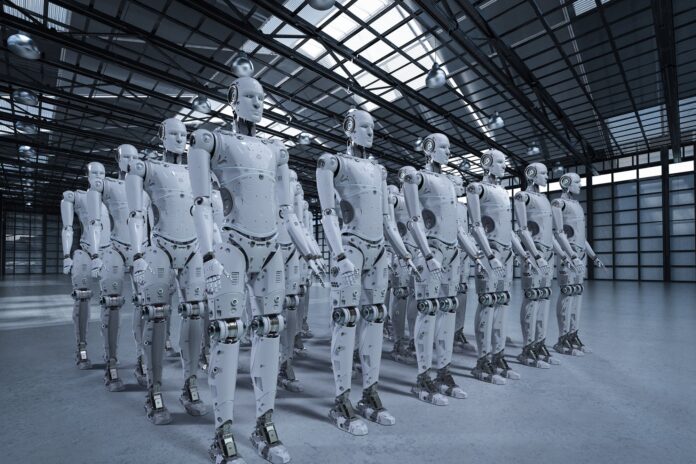
Emerging robotics technology is poised to transform daily life in unprecedented ways.
Revolutionizing Everyday Spaces with Robotics
The landscape of robotics is rapidly evolving, extending far beyond traditional industrial settings. At CES 2025, the spotlight was on AI-driven personal assistants, autonomous service robots, and versatile machines designed for sectors such as hospitality, healthcare, and retail. This event marked a significant milestone, showcasing how robotics is becoming an integral part of both consumer and commercial environments. No longer confined to factories, robots are now entering households to assist with routine chores and provide companionship, signaling a new era where automation blends seamlessly into everyday routines.
Driving Forces Behind the Robotics Revolution
For entrepreneurs, investors, and business strategists, the rapid advancements in artificial intelligence and automation technologies, combined with shifting global labor dynamics, are catalyzing a profound transformation in robotics. This synergy is fueling the rise of multipurpose robots capable of perceiving their surroundings, adapting to changing conditions, and collaborating effectively with humans in complex environments. The robotics market is expanding well beyond specialized uses, encompassing domestic aides, eldercare companions, warehouse automation, delivery drones, and customer interaction bots.
According to recent industry reports, the global service robotics market is projected to grow at a compound annual growth rate (CAGR) of over 20% through 2030, underscoring the accelerating adoption of these technologies across various sectors.
Challenges and Opportunities in Integrating Robotics
Despite the promising outlook, several obstacles remain. Building user trust, ensuring safety, navigating regulatory frameworks, and achieving smooth integration into human-centric environments are critical challenges that innovators must address. However, the momentum observed at CES 2025 highlights an undeniable trend: intelligent robots are transitioning from futuristic concepts to commercially viable solutions. Companies that proactively embrace this wave of innovation will not only capitalize on substantial market opportunities but also shape the future dynamics of human-machine collaboration over the coming decade.