Revolutionizing Manufacturing with Advanced AI Technologies
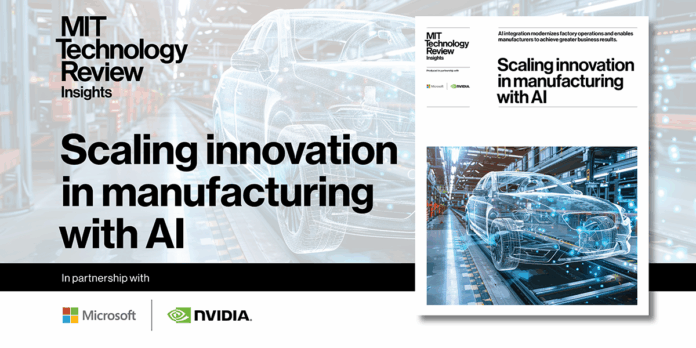
The manufacturing sector is undergoing a transformative evolution as artificial intelligence (AI) enhances existing innovations like digital twins, cloud and edge computing, and the Industrial Internet of Things (IIoT). These advancements empower factory teams to shift from merely reacting to isolated issues toward proactively optimizing entire production systems.
Digital Twins: The Virtual Backbone of Modern Factories
Digital twins-highly accurate virtual replicas of physical assets-enable manufacturers to simulate and analyze complex factory environments in real time. By creating detailed digital models of production lines, companies can experiment with process improvements and troubleshoot potential problems without disrupting actual operations.
AI-Driven Insights for Holistic Production Management
Indranil Sircar, Microsoft’s global chief technologist for manufacturing and mobile industries, highlights AI-powered digital twins as a groundbreaking leap forward. Unlike traditional monitoring systems that focus on individual machines, these digital twins provide a comprehensive, real-time visualization of the entire manufacturing process. This holistic perspective allows for deeper insights and more effective decision-making.
Case Study: Enhancing Bottle-Filling Lines with Multi-Dimensional Data Integration
Consider a digital twin of a bottle-filling production line that merges one-dimensional telemetry data from the shop floor, two-dimensional enterprise-level information, and immersive three-dimensional modeling. This integrated approach offers a unified operational view, enabling manufacturers to boost efficiency and minimize costly downtime.
Jon Sobel, CEO and co-founder of Sight Machine-an industrial AI specialist collaborating with Microsoft and NVIDIA-notes that downtime in fast-paced manufacturing sectors can reach up to 40%. By leveraging digital twins, companies can monitor micro-stoppages, quality indicators, and other critical metrics, facilitating precise adjustments that save millions in lost productivity.
AI Adoption Trends in Manufacturing
According to Sircar, approximately 50% of manufacturers have incorporated AI into their production processes, a significant rise from the 35% reported in a 2024 survey by MIT Technology Review Insights. Larger enterprises, particularly those with revenues exceeding $10 billion, are leading this trend, with 77% already deploying AI-driven solutions.
Sobel emphasizes that manufacturing, despite perceptions of lagging in digital transformation, is exceptionally well-positioned to harness AI due to its vast data generation. “It’s surprising to many, but this industry could become a frontrunner in AI innovation,” he remarks.
Looking Ahead: The Future of AI in Manufacturing
As AI continues to mature, its integration with digital twins and IIoT will deepen, driving smarter, more resilient factories. Emerging technologies such as predictive maintenance powered by machine learning and real-time supply chain optimization are set to further revolutionize production efficiency and sustainability.