
The Evolutionary Power of the Rattlesnake’s Warning Signal
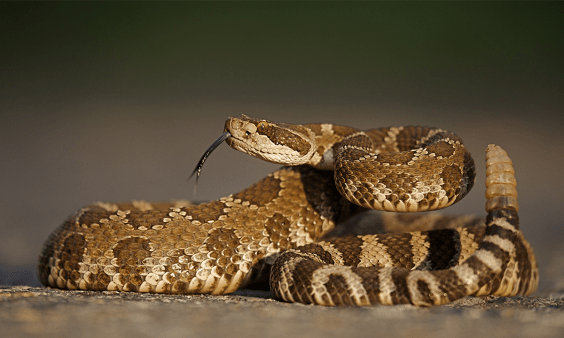
When envisioning snakes, rattlesnakes often dominate our imagination, despite representing only a small fraction of the over 500 snake genera worldwide. Unique to the pit vipers (Crotalus) and massasaugas (Sistrurus) is a specialized tail tip composed of loosely connected keratin segments. These segments can be rapidly vibrated by dedicated muscles, producing the distinctive rattling sound. This remarkable adaptation has persisted through millions of years-how has it maintained such evolutionary success and a profound psychological impact on other animals, including humans?
Investigating the Role of the Rattle in Animal Behavior
Researchers from the University of Texas at El Paso recently conducted an innovative study to decode the function of the rattlesnake’s signature sound across diverse animal species. Utilizing a 3D-printed robotic model of a western diamondback rattlesnake (Crotalus atrox) poised in a defensive stance, the team incorporated authentic rattlesnake tail segments to replicate the rattling noise. This robotic snake was then introduced to 38 different zoo animals under controlled conditions, where each subject encountered the model both silently and with the rattling sound activated as they approached a food reward.
Innate Fear Responses and Geographic Influence
Remarkably, all animals exhibited fear-related behaviors when exposed to the rattling sound, including retreating, dropping food, and vocalizing distress signals. Since these animals were captive-born with no prior experience of rattlesnakes, their reactions are attributed to instinctual rather than learned behavior. Notably, species native to regions overlapping with rattlesnake habitats demonstrated heightened sensitivity, suggesting an evolutionary adaptation to recognize and avoid this auditory warning.
Rattling as a Startle and Deterrent Mechanism
According to behavioral ecologist Oceane Da Cunha, the rattling functions as a deimatic or startle signal, triggering immediate defensive responses even in animals unfamiliar with rattlesnakes. The amplified reactions in sympatric species-those sharing the same environment-highlight an evolved neural sensitivity to this sound. The study confirms that the rattling not only enhances the visual threat display of the snake but also activates reflexive neural pathways in potential predators, effectively discouraging attacks.
Survival Through Sound: The Rattle’s Enduring Legacy
This research reinforces the long-held belief that the rattlesnake’s rattle is a critical survival tool. The combination of visual and auditory cues creates a powerful deterrent, reducing the likelihood of confrontation and injury. The persistence of this trait over millions of years underscores its vital role in the evolutionary fitness of Crotalus and Sistrurus species.
Next time you hear a rattling noise reminiscent of a rattlesnake, consider it a testament to your nervous system’s finely tuned ability to detect and respond to danger signals honed by evolution.