
Nvidia’s Vision: Integrating AI into Everyday Life and Shaping the Future of Technology
Transforming AI from Innovation to Daily Utility
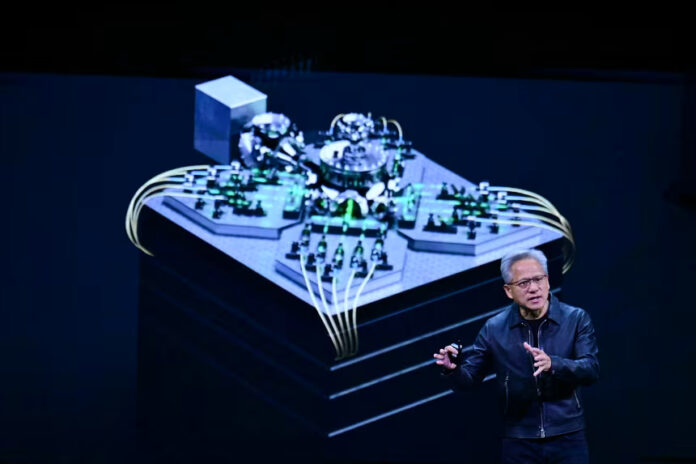
At the recent GTC AI conference in Washington, DC, Nvidia’s CEO Jensen Huang unveiled the company’s ambitious goal: to embed artificial intelligence seamlessly into everyday experiences. Huang emphasized that AI is no longer a futuristic concept but a driving force already influencing consumer behavior and economic growth worldwide.
Nvidia’s Strategic Position Amidst Industry Challenges
Nvidia stands at a pivotal crossroads, having forged alliances with global tech giants and secured significant influence in policy circles. The company is on track to surpass a $4 trillion valuation this year, marking it as one of the most valuable publicly traded firms. However, Nvidia faces mounting pressures from competitors like AMD and Qualcomm, alongside geopolitical trade restrictions that complicate its expansion, especially in markets like China.
Beyond Chip Design: Nvidia’s Expanding Ecosystem
Responding to intensifying competition, Nvidia is broadening its scope beyond semiconductor manufacturing. Huang dismissed concerns about an AI market bubble, highlighting the robust demand for AI solutions as evidence of the sector’s profitability. “AI has matured into a lucrative industry, with users willing to invest in advanced tools,” he stated, underscoring the technology’s commercial viability despite ongoing reinvestments in infrastructure.
Innovations in AI Infrastructure and Data Centers
Nvidia recently introduced a comprehensive framework to assist companies in constructing large-scale AI data centers, dubbed “AI factories.” These facilities, backed by investments from Oracle, Microsoft, and Google, will leverage Nvidia’s cutting-edge chips to deliver unparalleled computational power and efficiency. A new AI Factory Research Center in Virginia will spearhead these developments, positioning Nvidia at the forefront of AI infrastructure innovation.
Advancing Next-Generation Wireless Networks with AI
In collaboration with T-Mobile and Nokia, Nvidia is pioneering the development of AI-native 6G cell towers. Powered by the Nvidia Aerial Computer platform, which integrates proprietary chips and software, this technology promises to revolutionize wireless connectivity. It will enhance speeds and reliability not only for smartphones but also for emerging AI-enabled devices such as smart glasses, voice assistants, and autonomous robots.
Huang highlighted the strategic importance of this initiative, noting that “current wireless technologies heavily rely on foreign components, and 6G presents a unique opportunity to establish domestic leadership.”
Expanding AI Applications: From Autonomous Vehicles to Digital Twins
Nvidia is set to collaborate with Uber to deploy 100,000 self-driving cars by 2027, utilizing its DriveOS platform and proprietary chips to power autonomous ride-sharing services nationwide. Meanwhile, partnerships with companies like Palantir and IBM are enabling the creation of AI-driven agents to automate complex business processes. For instance, Lowe’s is employing these technologies to simulate its global supply chain, aiming to optimize efficiency and reduce operational costs.
Additionally, Nvidia and Siemens have joined forces to develop “digital twins” of robotic manufacturing plants. This innovation allows companies to design, monitor, and control robots performing hazardous tasks, potentially addressing the half-million manufacturing job vacancies projected in the coming years.
Supporting Scientific Research and National AI Leadership
In a significant move to bolster scientific advancement, Nvidia is partnering with the U.S. Department of Energy to build seven new supercomputers equipped with its AI chips. These systems will accelerate research across various scientific disciplines, reinforcing the role of AI as a catalyst for the next industrial revolution.
Despite the promising outlook, a recent MIT report indicates that many companies investing in AI have yet to realize substantial financial returns, particularly in emerging sectors like smart glasses and autonomous vehicles, which are still in early adoption phases.
Political Influence and Global Market Dynamics
Washington, DC’s selection as the conference venue underscores Nvidia’s close ties with U.S. policymakers. Huang is a prominent figure in efforts to secure American dominance in AI technology, a priority echoed by government officials. During the event, special access was granted to congressional staff, highlighting the strategic importance of Nvidia’s innovations.
Production of Nvidia’s AI Blackwell chips is now fully operational in Arizona, although final assembly continues overseas. Huang is scheduled to meet with former President Donald Trump during the Asia-Pacific Economic Cooperation Summit in South Korea, reflecting ongoing dialogues at the intersection of technology and geopolitics.
Trade Challenges and Market Access
Earlier this year, Nvidia agreed to remit 15% of its China revenue to the U.S. government as part of trade compliance measures. While the White House has authorized the sale of advanced AI chips to China, Beijing has imposed restrictions that currently hinder these transactions. Huang expressed optimism about resolving these barriers to resume full market access.
Looking Ahead: Nvidia’s Role in Shaping the AI Era
Closing his keynote, Huang echoed a familiar political slogan, thanking attendees “for your service in making America great again,” signaling Nvidia’s commitment to driving technological leadership and economic growth through AI innovation.