
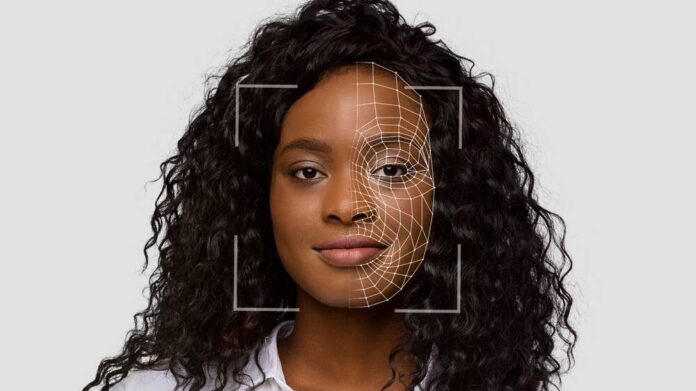
Controversy Surrounding Facial Recognition Technology at U.S. Airports
Despite widespread opposition from many travelers, U.S. lawmakers are pushing to prolong and expand the use of facial recognition systems at airports nationwide. Since 2017, the Transportation Security Administration (TSA) has been piloting facial scanning technology with the goal of enhancing security measures. Currently, over 250 airports across the country employ this biometric screening method.
Effectiveness and Accuracy of Facial Recognition in Aviation Security
A recent report from the Privacy and Civil Liberties Oversight Board (PCLOB) in May 2025 highlights the high accuracy rates of facial recognition technology used in airports. Citing research from the National Institute of Standards and Technology (NIST), the report reveals that false positives and false negatives occur in less than 1% of cases, outperforming many other biometric identification methods. However, despite these promising statistics, many passengers remain uncomfortable with the technology and its implementation.
Passenger Experiences and Opt-Out Challenges
Research conducted by the Algorithmic Justice League (AJL) exposes significant issues with the opt-out process for facial recognition at airports. Their findings indicate that only about 1% of travelers were even offered the option to decline facial scanning. Among those who attempted to opt out, numerous individuals reported negative interactions with airport personnel.
For example, a traveler at Fort Lauderdale-Hollywood International Airport recounted an incident from 2009 where TSA agents reacted angrily when he requested to opt out, stating, “We already took your picture, and there are cameras everywhere-including on your phone.” Such responses have left many feeling their privacy rights are disregarded.
Many passengers have been told that opting out was either impossible or too late, with over two-thirds reporting poor treatment by staff. In one case, a passenger missed their flight due to prolonged processing times after requesting to avoid facial recognition. Another traveler at Harry Reid International Airport in Las Vegas described how a TSA agent isolated them, took their documents to another lane, and delayed their screening for over ten minutes, suggesting they “just allow the photo next time” to avoid complications.
Public Concerns and Privacy Implications
Surveys reveal that more than 50% of flyers did not receive clear notifications about facial recognition use, while over 60% expressed unease about their biometric data being shared with third parties. Additionally, more than 20% of respondents felt uncomfortable verbally opting out, fearing it might cause delays or conflict.
Legislative Efforts and Industry Opposition
In response to these concerns, a bipartisan coalition of senators, led by Jeff Merkley (D-OR), reintroduced the Traveler Privacy Protection Act in May 2025. This legislation aims to guarantee passengers the right to refuse facial scans and prohibits airports and airlines from mandating the technology. Merkley shared his own experience in Washington, D.C., where he was told he could not opt out after passing a camera, accusing the TSA of attempting to build a comprehensive database of travelers’ facial images.
During a Senate Committee on Commerce, Science, and Transportation hearing, industry representatives voiced strong opposition to the bill. Airlines for America argued that limiting biometric use would compromise national security and increase operational costs. Their letter emphasized that restricting TSA’s biometric programs would hinder technological advancements and force the agency to allocate 75% of its budget to staffing rather than automation.
Similarly, the Security Industry Association, representing biometric technology vendors, warned that scaling back facial recognition could empower criminals using fraudulent identities to commit serious offenses such as smuggling, human trafficking, and terrorism.
Future Outlook and Ongoing Audits
Currently, the TSA has not issued an official statement regarding the legislative proposals. Meanwhile, Congress is conducting audits to evaluate the effectiveness and privacy implications of facial recognition systems at airports. The debate continues as policymakers weigh the balance between enhancing security and protecting individual privacy rights.
- Ongoing audits assess TSA’s facial recognition technology deployment.
- Legislative proposals seek to protect traveler privacy and ensure opt-out rights.
- Industry groups warn of security risks and increased costs if biometric use is restricted.
- Privacy advocates challenge the expansion of facial recognition in public spaces.