Elon Musk Envisions a Future Dominated by Robots and AI-Driven Prosperity
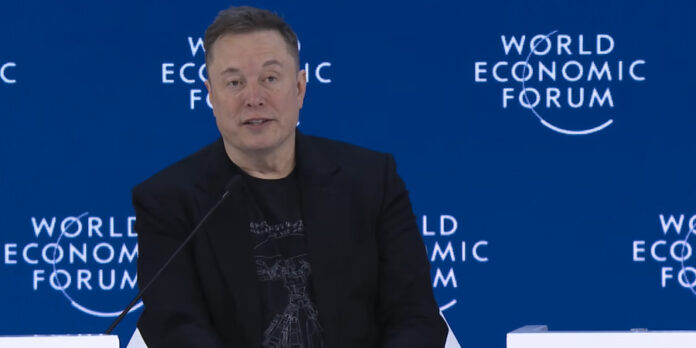
At the World Economic Forum’s annual summit in Davos, Switzerland, Elon Musk made his inaugural appearance, delivering a compelling vision of a future where robots surpass humans in number and artificial intelligence fosters what he terms “universal abundance.” This event marked a notable change in Musk’s stance, as he has historically been critical of the Davos forum and its global influence.
From Skeptic to Speaker: Musk’s Shift at Davos
The 2024 Davos meeting attracted a host of global leaders, including President Joe Biden, French President Emmanuel Macron, and European Commission President Ursula von der Leyen. Musk’s participation, particularly in a candid dialogue with BlackRock CEO and WEF co-chair Larry Fink, highlighted his evolving perspective on the role of technology in shaping the future economy.
Robotics and AI: The Cornerstones of Sustainable Prosperity
Musk emphasized that robotics and artificial intelligence are central to Tesla’s expanding mission, which now transcends electric vehicles to embrace the concept of “sustainable abundance.” He articulated a vision where AI and robotics are pivotal in eradicating global poverty by elevating living standards worldwide.
“The pathway to ensuring a high quality of life for everyone lies in the integration of AI and robotics,” Musk stated. He foresees robots becoming omnipresent, predicting that their numbers will soon exceed the human population. This surge in robotics, he argues, will catalyze unprecedented economic growth.
Addressing Demographic Challenges with Humanoid Robots
One of Musk’s notable predictions involves humanoid robots playing a critical role in elder care, especially as aging populations in many countries outnumber younger workers. Tesla’s ongoing development of the humanoid robot, Optimus, alongside automated robotaxi systems, exemplifies this vision.
Industry analysts from Barclays estimate the current humanoid robotics market to be valued between $2 billion and $3 billion. However, projections suggest explosive growth, potentially reaching $40 billion by 2035, with some forecasts extending to $200 billion as robots increasingly enter labor-intensive sectors such as manufacturing and healthcare.
Energy: The Emerging Bottleneck in AI Expansion
Musk highlighted a critical challenge for AI advancement: energy supply. Contrary to popular belief that computing chips limit AI progress, he argued that electrical power availability will soon become the primary constraint. The fluctuating costs of AI infrastructure underscore this issue, with hardware production potentially outpacing the energy needed to operate these systems.
China stands out as an exception due to its rapid expansion in electricity generation, particularly from renewable sources. Musk noted China’s deployment of over 1,000 gigawatts of solar power, underscoring solar energy’s dominance as the leading power source for future AI applications.
Solar Power and Space-Based AI Initiatives
“Solar energy is the cornerstone of sustainable power,” Musk remarked, revealing SpaceX’s ambitious plans to launch solar-powered AI satellites within the next few years. These satellites aim to support AI infrastructure globally, leveraging the sun’s energy to overcome terrestrial power limitations.
Reevaluating the Role of Global Forums
Despite his participation, Musk has previously criticized the World Economic Forum, describing it as “an unelected global authority that lacks public mandate.” His engagement at Davos this year signals a nuanced approach, using the platform to advocate for transformative technological advancements while maintaining a critical eye on global governance structures.