
Willrow Hood/Shutterstock
The Origins of Michael Myers: How a Sci-Fi Western Shaped Horror’s Most Relentless Killer
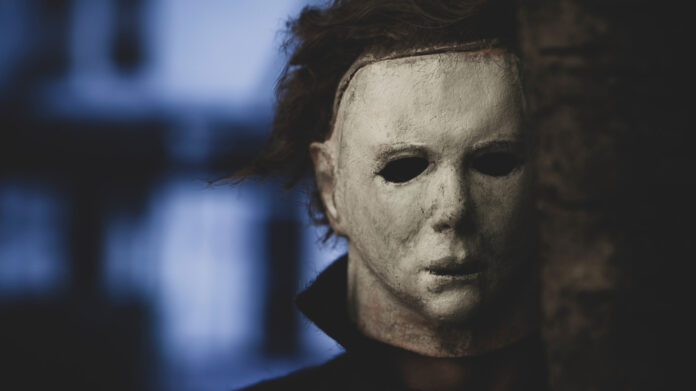
Michael Myers, the emotionless and chilling antagonist of the “Halloween” series, stands as one of the most enduring figures in horror cinema. Known for his eerie silence, slow but unstoppable pursuit, and near-immortality, Myers has become a symbol of relentless terror. His ability to survive countless attempts on his life-whether by stabbing, shooting, or burning-has even inspired countless memes celebrating his unyielding nature. But what inspired John Carpenter to craft such a uniquely robotic and unnervingly slow-moving villain?
From Westworld’s Android to Horror Icon: The Creative Spark
In a candid 2018 interview, Carpenter revealed the surprising source of inspiration behind Michael Myers’ character. He credited the 1973 sci-fi Western film Westworld and its antagonist, an unkillable android played by Yul Brynner. Carpenter explained, “I saw Westworld, and Yul Brynner’s character was this unstoppable robot. I thought, ‘That’s a really cool character.’ That’s where the idea came from, though Michael evolved into something different.”
For fans familiar with both franchises, this connection is striking. Westworld features a futuristic theme park where android gunslingers engage visitors in deadly duels. Brynner’s Gunslinger, with his mechanical precision and relentless pursuit, shares a chilling resemblance to Myers’ slow, deliberate stalking. While Myers wields a large kitchen knife instead of a gun, his robotic gait and cold, emotionless demeanor echo the android’s unfeeling menace. This blend of sci-fi and horror elements helped shape one of cinema’s most iconic killers.
John Carpenter’s Complex Relationship with the Halloween Legacy
Despite creating a character that has become a horror staple, Carpenter’s feelings toward the franchise’s expansion have been notably indifferent. He has openly criticized the first sequel, Halloween II, which he co-wrote and co-produced, calling it an “abomination” and “a horrible movie.” His frankness about the series’ subsequent installments reveals a creator who prefers to distance himself from the ongoing saga.
In a 2022 interview, Carpenter reiterated his detachment, stating, “The Halloween film I cherish is the original 1978 one I directed. The others are other people’s visions. That’s how it goes when you hand over control. I didn’t want to direct sequels because I didn’t think there was more story to tell. Boy, was I wrong.”
Regardless of his reservations, Carpenter’s original vision has left an indelible mark on horror culture. The Michael Myers character continues to captivate audiences, inspiring over a dozen films and countless adaptations, proving the lasting power of his creation.
Michael Myers in Today’s Horror Landscape
More than four decades after his debut, Michael Myers remains a formidable figure in horror, influencing new generations of filmmakers and fans alike. The character’s blend of supernatural resilience and mechanical relentlessness has set a standard for slasher villains. Recent statistics show that the Halloween franchise has grossed over $600 million worldwide, underscoring its commercial and cultural impact.
Modern horror often revisits themes of unstoppable evil, but few villains match the eerie calm and inexorable pace of Myers. His legacy is a testament to Carpenter’s innovative fusion of sci-fi concepts with horror storytelling, creating a timeless figure who continues to haunt the collective imagination.