
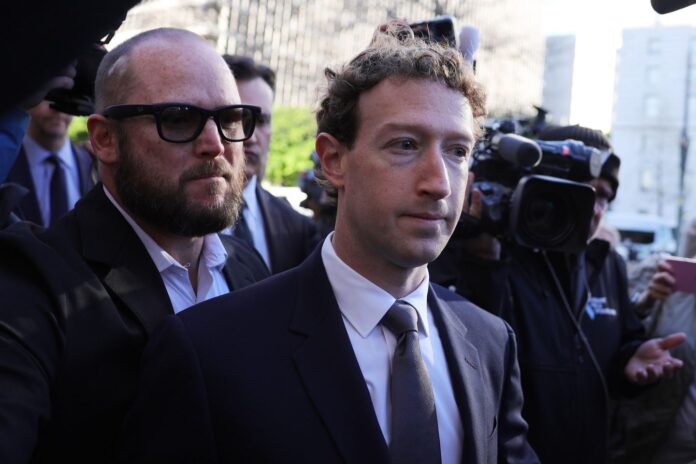
Mark Zuckerberg Faces Intense Scrutiny in Los Angeles Court Over Instagram’s Impact on Youth
In a high-profile courtroom session in Los Angeles, Meta CEO Mark Zuckerberg confronted rigorous questioning from opposing counsel regarding Instagram’s influence on young users, his prior congressional statements, and internal guidance on maintaining an “authentic” public persona.
Examining Allegations of Social Media Addiction and Harm to Minors
This testimony is a pivotal element of a groundbreaking lawsuit that challenges whether Meta’s platforms intentionally foster addictive behaviors and cause psychological harm to children. When pressed by the plaintiff’s attorney, Zuckerberg reaffirmed his earlier position that current scientific research does not conclusively demonstrate that social media usage directly leads to mental health issues.
Mark Lanier, representing the plaintiff-a 20-year-old woman identified as KGM-questioned Zuckerberg on the addictive nature of social media, suggesting that addictive products naturally lead to increased usage. Zuckerberg responded cautiously, expressing uncertainty about applying that logic to Instagram.
Claims Against Meta and Other Tech Giants
The lawsuit alleges that early exposure to social media platforms contributed to KGM’s dependency on these technologies, worsening her depression and suicidal ideation. Meta and Google’s YouTube remain defendants, while TikTok and Snap have settled their involvement.
Corporate Responsibility and Ethical Considerations
Lanier framed the discussion around three possible approaches companies can take toward vulnerable users: support them, ignore their needs, or exploit them for profit. Zuckerberg agreed that exploitation is unacceptable and emphasized that a responsible company should prioritize user well-being.
Disputes Over Internal Policies and Time Spent on Platforms
Lanier challenged Zuckerberg on his previous congressional claim that Instagram does not set targets to increase user engagement time. Presenting internal documents suggesting otherwise, Zuckerberg acknowledged that while such goals existed in the past, Meta consciously shifted focus toward enhancing the platform’s utility rather than maximizing screen time. He underscored his belief that users naturally gravitate toward features they find valuable.
Media Training and Public Image Management
Lanier probed into Zuckerberg’s media preparation, referencing internal feedback urging him to appear “authentic, direct, human, insightful, and real” rather than “robotic” or “corporate.” Zuckerberg downplayed these as mere suggestions rather than formal coaching, admitting he is widely recognized for his awkward public speaking style.
Historically, Zuckerberg has been noted for his sometimes stiff and nervous demeanor, such as during a 2010 interview where his discomfort was evident.
Age Verification and User Safety Measures
Significant time was devoted to discussing Meta’s policies on verifying user ages. Zuckerberg maintained that the company restricts access for users under 13 and actively works to identify those who falsify their birthdates to circumvent these rules.
Content Moderation and Cosmetic Filters Debate
Similar to Instagram head Adam Mosseri’s recent testimony, Zuckerberg faced questions about the platform’s use of beauty filters. He stated that the evidence linking these filters to harm is insufficient and emphasized his high threshold for removing features that enable self-expression. Lanier countered by citing external experts hired by Meta, all of whom reportedly expressed concerns about the filters’ effects.
Criticism from Child Advocacy Groups
Child safety advocates criticized Zuckerberg’s testimony as lacking sincerity. Josh Golin, executive director of Fairplay, accused Zuckerberg of evading responsibility, highlighting Meta’s resistance to removing addictive features like visible like counts and cosmetic filters despite internal awareness of their potential harm.
Zuckerberg’s Previous Testimonies and the Trial’s Broader Significance
While Zuckerberg has testified before Congress and in other legal proceedings about youth safety, this trial marks his first appearance before a jury. During his 2024 congressional testimony, he expressed sympathy for families affected by social media-related tragedies but stopped short of accepting direct accountability. The courtroom includes grieving parents, underscoring the trial’s emotional weight.
This case, alongside two others, serves as a bellwether trial, potentially shaping the outcomes of numerous similar lawsuits targeting social media companies nationwide.
Meta’s Defense and Broader Legal Challenges
Meta’s legal team, led by attorney Paul Schmidt, acknowledged KGM’s mental health struggles but disputed Instagram’s significant role in causing them. They pointed to her difficult home environment and argued that she used social media platforms as a coping mechanism rather than the root cause of her issues. YouTube’s counsel echoed this defense.
Separately, Meta is also engaged in another trial in New Mexico, reflecting the growing legal scrutiny the company faces over its platforms’ impact on users.