Introducing Lume: The Next Step in Home Robotics
For those curious about the future integration of robots into everyday life-beyond the familiar robot vacuums and automated lawn mowers-there’s promising news. The tedious task of folding laundry is now on the verge of being automated, thanks to innovative home robotics.
A Stylish Robot with a Dual Purpose
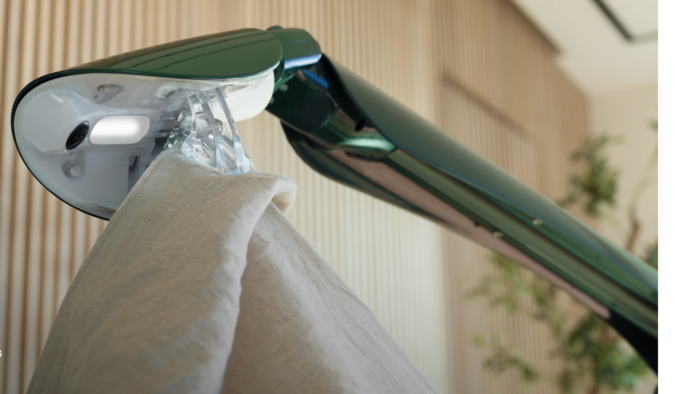
Syncere, a company whose name evokes the sleekness of a luxury fragrance, recently unveiled its latest creation: Lume. This home robot serves a dual function-it navigates your living space as a mobile floor lamp while also tackling the laborious chore of folding laundry, albeit at a notably unhurried pace.
The promotional video for Lume is set against the backdrop of a spacious, modern mansion with expansive windows, featuring a flawless couple who glide effortlessly through their day. As Lume illuminates the room, it folds a modest stack of clothes and even appears to assist with bed-making, though the complexities of fitted sheets remain unseen.
Why Laundry-Folding Robots Are Gaining Traction
Lume’s debut highlights a growing trend in the home robotics sector: addressing mundane household tasks like laundry folding. This niche is rapidly becoming a focal point for innovation, as evidenced by other notable entries such as LG’s humanoid laundry-folding robot showcased at CES 2026. Despite its impressive design, LG’s robot operated at a glacial speed, prompting many to exclaim, “I can do this faster myself.” Other contenders in this space include the Figure 2 robot and Weave Isaac, each experimenting with different approaches to automate this chore.
The Rise of Robotics-as-a-Service (RaaS) in Consumer Tech
Beyond the hardware, the fusion of home robotics with artificial intelligence is increasingly driven by venture capital enthusiasm. This mirrors past tech waves, such as the sensor craze a decade ago that birthed quirky gadgets like calorie-counting smart cups. Syncere’s founder, Kevin Li, encapsulates this shift with the statement, “We think of robotics as a service,” signaling the emergence of Robotics-as-a-Service (RaaS) models in the consumer market.
This evolution suggests a future where consumers might subscribe monthly to maintain and update their robotic helpers, ensuring continuous improvements and functionality-much like software subscriptions today.
Design Philosophy Rooted in Everyday Living
While Lume’s sleek, anodized arms and polished finish are impressive, much credit goes to CEO Dr. Aaron Tan for fostering an “atelier” environment for robot development. Rather than a sterile lab, Syncere’s innovation happens within a typical upper-middle-class home in Palo Alto, California-an approach reminiscent of the garage startups that birthed tech giants like HP and Apple.
This home-based R&D setting not only grounds the product in real-world usability but also reflects the growing trend of remote work and innovation happening outside traditional corporate spaces.
Product Details and Pricing
According to Syncere’s official product page, Lume is designed to manage “soft-material tasks such as bed-making, laundry folding, and pillow arrangement.” Notably, the company emphasizes that the initial batch of Lume robots will not require a subscription service, a strategic move to attract early adopters.
Pre-orders are currently open, with a single unit priced at $1,500 and a pair available for $2,500, positioning Lume as a premium yet accessible option for tech-savvy households.