In robotics, the phrase “dull, dirty, and dangerous” (DDD) has long been used to categorize tasks that are prime candidates for automation-those that humans often find undesirable or risky. Traditionally, a quintessential DDD job might be described as “monotonous manual labor on a sweltering factory floor, involving heavy machinery that poses serious safety hazards.”
However, classifying work into these categories is more complex than it appears. What truly defines a task as “dull,” and who determines this? Does “dirty” work only refer to physical grime, or does it also encompass social stigma? How can we accurately quantify the “dangerous” nature of certain occupations? Our recent research offers a comprehensive framework to clarify these questions, helping roboticists better understand the nuanced contexts in which their technologies operate.
Quantifying Danger: Understanding Risk in the Workplace
Assessing the danger associated with jobs often relies on official injury reports and occupational hazard surveys. Yet, these data sources have limitations. Studies suggest that up to 70% of workplace injuries go unreported in administrative records, skewing the true picture of occupational risk. Moreover, injury statistics frequently lack breakdowns by gender, migrant status, or employment type, masking disparities in workplace safety.
For instance, personal protective equipment (PPE) is predominantly designed for male body types, leaving female workers in hazardous roles at greater risk. This gap highlights an urgent need for robotics to intervene in less obvious but equally perilous tasks, especially for vulnerable worker groups who face disproportionate safety challenges.
Dirty Work: Beyond Physical Contamination to Social Stigma
While many associate “dirty work” with physically soiled tasks like waste management or cleaning, social science research reveals a broader definition. Dirty work also includes jobs burdened by social stigma or moral judgment. Roles such as correctional officers or debt collectors may be viewed negatively due to their association with marginalized populations or perceived ethical ambiguity.
This social taint varies across cultures and eras-for example, the evolving perception of tattoo artists in the United States or contrasting views of nursing in different countries. Occupational prestige surveys and ethnographic studies provide insight into how society ranks these jobs, but importantly, many workers find pride and meaning in roles that outsiders might dismiss as undesirable. Recognizing this worker perspective is crucial when considering automation’s impact.
Dull Work: The Subjective Experience of Repetitive Tasks
“Dull” work is often characterized by repetitive, routine tasks with limited autonomy. However, the value and meaning of such work are deeply subjective. What may seem monotonous to an observer can foster skill development, concentration, and social bonding among workers. For example, artisanship in woodworking or the camaraderie formed during assembly line work can transform repetitive labor into fulfilling activity.
Therefore, understanding workers’ lived experiences is essential before labeling tasks as dull and deciding which should be automated.
A Holistic Framework for Evaluating DDD Jobs in Robotics
Our proposed framework guides robotics researchers and practitioners in evaluating the dull, dirty, and dangerous aspects of jobs by integrating multiple data sources and emphasizing worker perspectives. It encourages consideration of the physical environment, social context, and cultural factors that shape how tasks are perceived and experienced.
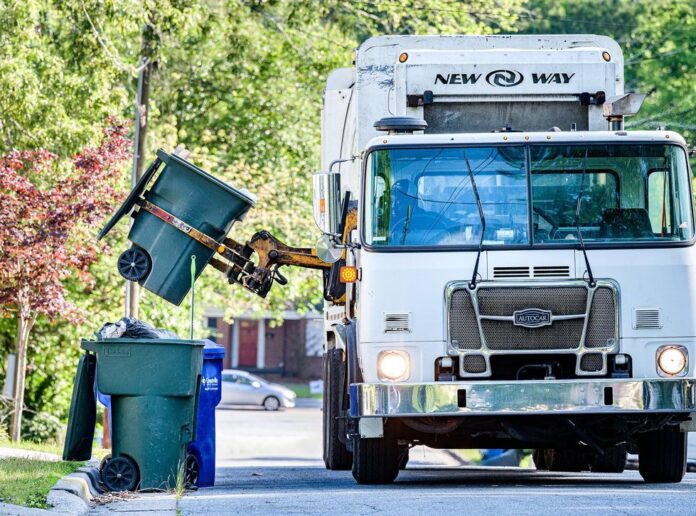
For example, the global waste management sector generates over 2 billion tonnes of waste annually-a figure projected to nearly double by 2050. Waste collection is often cited as a classic DDD occupation: workers face significant health hazards (dangerous), the job ranks low in social prestige (dirty), and the work involves repetitive tasks (dull). Yet, many sanitation workers express pride in their essential role and value the social interactions and task variety inherent in their daily routines.
Robotic interventions, such as automated side loader trucks recommended by the National Institute for Occupational Safety and Health (NIOSH), improve safety but may inadvertently reduce social engagement by isolating workers in sensor-monitored cabs. This underscores the importance of designing automation solutions that enhance safety without diminishing job satisfaction or social connection.
Expanding Perspectives on Automation Priorities
While the DDD framework remains popular in robotics, it represents just one lens through which to evaluate automation potential. Other criteria-such as economic impact, environmental sustainability, or skill enhancement-also merit attention. By combining insights from robotics and social sciences, we can develop richer, more nuanced approaches to task automation that respect worker dignity and societal values.
Ultimately, fostering collaboration between these fields opens new avenues for innovation, enabling the creation of tools and technologies that thoughtfully address the complexities of human work.