Artificial Astronauts: The Next Frontier in Space Exploration
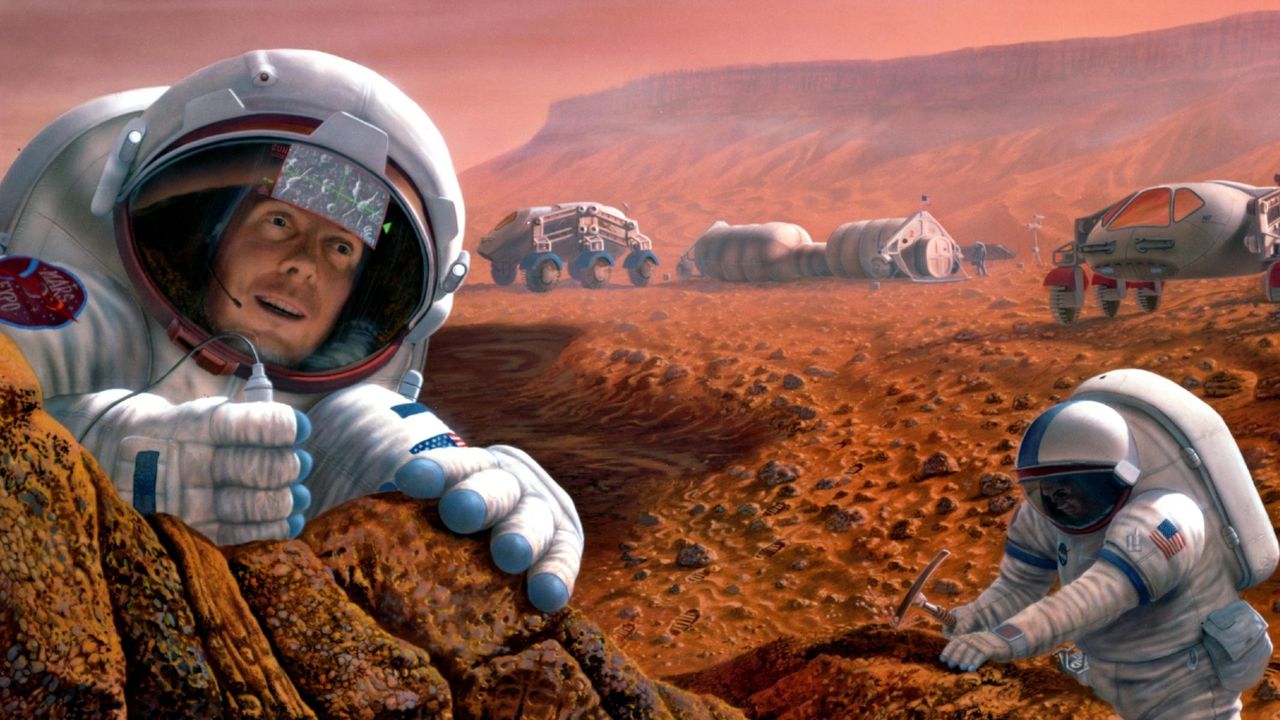
As space agencies plan ambitious missions to Mars and beyond, the concept of “artificial astronauts”-robotic crew members designed to operate alongside or even independently of humans-is gaining traction. These resilient, space-hardened androids offer significant benefits, including the elimination of life-support needs and the ability to perform extravehicular activities without the constraints faced by human astronauts.
Advantages of Robotic Crew Members in Space Missions
Unlike human explorers, artificial astronauts do not require oxygen, food, or water, drastically reducing the logistical burden of long-duration spaceflights. Their endurance in harsh environments and capacity to undertake complex tasks without fatigue make them invaluable assets for planetary exploration. This shift could accelerate mission timelines and enhance scientific returns.
Integrating AI and Robotics: A Strategic Imperative
While opinions vary on the pace at which artificial intelligence (AI) and robotics will evolve, the urgency of upcoming Mars missions demands rapid advancement. Pascal Lee, a planetary scientist affiliated with the SETI Institute and NASA’s Ames Research Center, emphasizes the need for strategic planning to balance mission-specific technologies with broader societal progress in AI and robotics.
Lee highlights that as AI capabilities mature, the development of humanoid robots with human-like physical attributes and advanced mobility-powered by artificial general intelligence (AGI)-is becoming increasingly feasible. This evolution could redefine how we approach space exploration.
From Androids to Artificial Superhumans
Looking ahead, the emergence of “artificial superhumans”-robots enhanced with superintelligent AI-could revolutionize interplanetary and even interstellar travel. Lee envisions these entities as explorers capable of venturing to distant exoplanets, bypassing the need for multigenerational starships and the challenges of human longevity in space.
Such advancements would transform our relationship with these machines, shifting perceptions from viewing them as mere tools to regarding them as our creations and companions, akin to proud parents watching their children embark on extraordinary journeys.
Reimagining Human Space Exploration in the AI Era
The integration of AI and robotics compels us to rethink traditional human spaceflight paradigms. Rather than relegating robots to auxiliary roles, we must consider the possibility that artificial astronauts will become autonomous explorers within the next few decades. Humans will continue to journey into space, but they will share these adventures with increasingly sophisticated robotic counterparts.
Elon Musk’s Vision: Humanoid Robots on Mars
Elon Musk, CEO of SpaceX, shares this optimistic outlook. Earlier this year, he announced plans to launch Starship megarockets by late 2026, potentially carrying Tesla’s humanoid robots, known as Optimus, to Mars. Musk envisions these robots conducting preliminary exploration, paving the way for human landings as early as 2029, with 2031 being a more conservative estimate.
This approach underscores the growing role of humanoid robots in space missions, blending cutting-edge AI with robust engineering to extend humanity’s reach across the solar system.