How Robotics and Automation Are Transforming Grocery Retail
From Humanoid Robots to Practical Automation
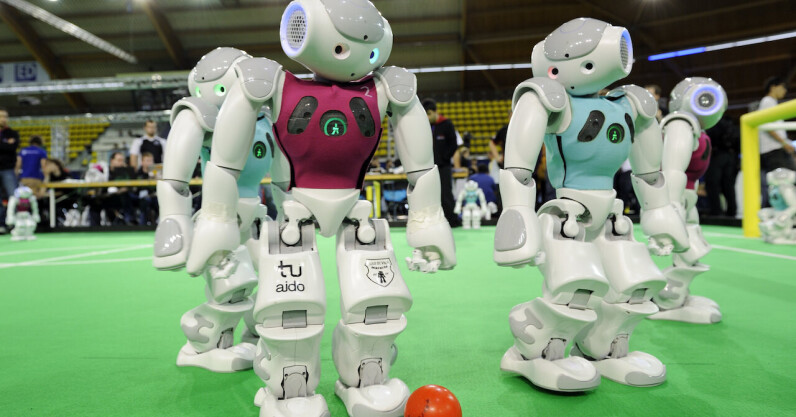
Watching humanoid robots stumble during the inaugural Robot Humanoid Games in China-toppling over on the soccer field or losing balance in a 1500-meter race-was both amusing and a stark reminder of the challenges still facing robotics. While humanoid robots continue to struggle with basic mobility, automation is quietly revolutionizing industries behind the scenes, particularly in retail and logistics.
Picnic Technologies: Pioneering Robotic Grocery Fulfillment
One standout example is Picnic Technologies, the Netherlands’ fastest-growing online supermarket. By integrating robotic systems to assemble grocery orders, Picnic has dramatically accelerated the delivery process, ensuring customers receive their groceries swiftly and efficiently. This innovative approach has enabled Picnic to scale rapidly and compete head-to-head with established supermarket chains like Albert Heijn.
Daniel Gebler, Picnic’s Chief Technology Officer, recently shared insights into the company’s automation strategy during a conversation while cruising through Amsterdam’s canals. He emphasized that while robots enhance efficiency, they are not intended to replace human workers entirely.
Robots and Humans: A Collaborative Warehouse Ecosystem
Previously, Picnic’s “shoppers” manually navigated vast warehouses to pick items for orders. Today, fully automated fulfillment centers in the Netherlands and Germany employ robotic arms to handle much of the item retrieval, significantly reducing the physical demands on employees. For instance, Picnic’s newest facility in Oberhausen, Germany, operates with 1,500 robots alongside 1,000 human workers, processing up to 33,000 orders daily and serving approximately 200,000 households.
Why Humans Remain Essential
- Handling Delicate and Irregular Items: Robots still struggle with fragile products like eggs or irregularly shaped goods, as well as high-value items such as champagne bottles.
- Packing Flexibility: Humans excel at rearranging crates and opening boxes, tasks that require adaptability beyond current robotic capabilities.
- Final Packaging Steps: Even in highly automated centers, the last stage of packing items into customer boxes is performed manually to ensure quality and accuracy.
Picnic employs a product whitelist to determine which orders can be robotically fulfilled. Orders containing heavy or bulky items, like soda bottles and snack bags, are excluded from robotic picking to maintain efficiency and prevent errors.
Will Robots Replace Warehouse Workers?
According to Jhon Mauro Gómez, a software engineer at Picnic, the goal is not to replace employees but to augment their capabilities. “Robots complement our workforce, enhancing warehouse performance while keeping people at the core of operations,” he explains.
AI’s Role in Redefining Management and Innovation
The rise of artificial intelligence is also reshaping corporate management. Gebler predicts that traditional management structures will evolve, with a greater emphasis on ownership and accountability. “In the future, everyone will be both a designer and a builder, taking responsibility for what they create and operate,” he says.
This shift empowers teams with more autonomy and encourages experimentation. Picnic’s developers have leveraged this freedom to introduce new services such as:
- Streamlined Returns: Customers can now return products from other brands using Picnic’s delivery vans, optimizing fleet utilization.
- Curated Meal Packages: Instead of just individual products, Picnic offers meal kits designed to simplify family meal planning.
Embracing “AI-Free” Time to Foster Human Creativity
Gebler advocates for “AI-free days,” where developers intentionally avoid AI tools to hone their human problem-solving and creative skills. While AI excels at data processing, it cannot replicate human improvisation and intuition.
Across grocery warehouses and corporate offices alike, the future lies in the synergy between humans and robots. Automation handles repetitive, structured tasks efficiently, while humans bring adaptability, creativity, and judgment to the table. Picnic’s innovative workplace culture-from AI-free Fridays to balancing robotic efficiency with human care-demonstrates that the future of work is about collaboration and reinvention, not replacement.