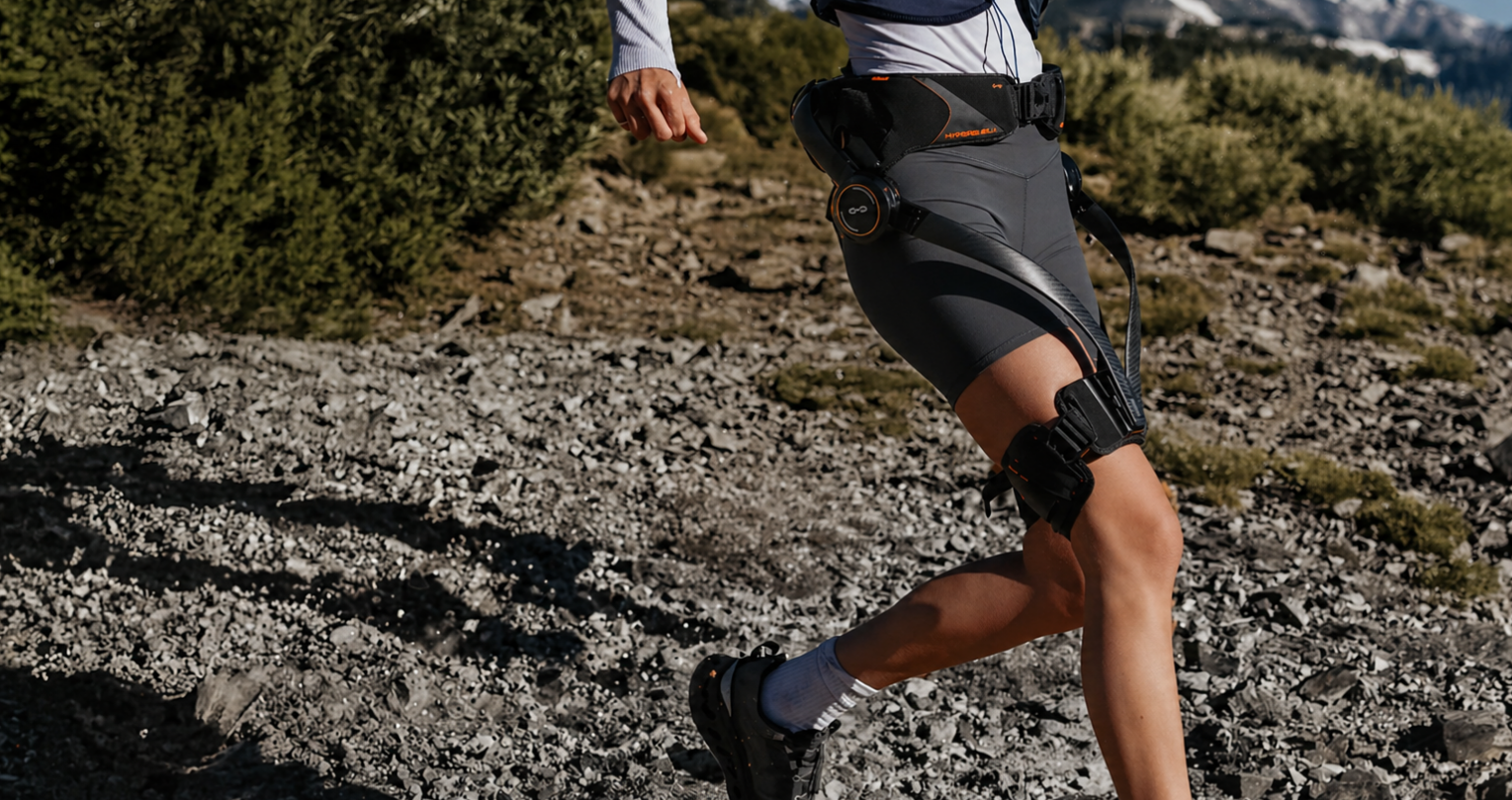
Hypershell: Pioneering Lightweight Exoskeletons for Everyday Mobility
Emerging from China’s vibrant tech scene, Hypershell is innovating at the crossroads of wearable technology and robotics by developing lightweight exoskeletons designed to assist lower limbs during daily activities and outdoor adventures. Their devices integrate compact motors with advanced onboard sensors to provide additional power when walking or ascending inclines, reducing physical fatigue and enhancing movement efficiency.
Design Philosophy: Blending Functionality with Wearability
Unlike traditional industrial exoskeletons, which tend to be bulky and utilitarian, Hypershell’s products resemble wearable gear more than heavy machinery. This design choice reflects the company’s commitment to creating user-friendly, aesthetically appealing devices that encourage regular use. The startup’s multidisciplinary team, composed of experts in robotics, mechanical engineering, and consumer electronics, leverages their diverse backgrounds to craft solutions that prioritize lightweight construction and intuitive usability.
Targeting Consumer Markets Over Regulated Sectors
Rather than initially focusing on highly regulated fields such as healthcare or rehabilitation, Hypershell strategically targets consumer segments like outdoor sports enthusiasts and individuals seeking human performance enhancement. This approach allows the company to bypass complex regulatory barriers, accelerate product development cycles, and gather real-world feedback more rapidly. Their vision positions these exoskeletons as a novel category-situated between athletic equipment and robotic assistance-aimed at augmenting human capabilities rather than replacing them.
Market Strategy: Niche Focus with Global Ambitions
Hypershell’s current market penetration centers on outdoor adventurers, long-distance trekkers, and early technology adopters who are open to experimenting with innovative wearable devices. By cultivating a strong reputation within this niche, the company plans to expand its reach to a wider consumer audience over time. International markets, particularly in North America and Europe, are prioritized due to their higher acceptance rates of emerging wearable technologies and potential for scaling.
Funding and Industry Perspectives
The startup has secured multiple rounds of early-stage investment, primarily from venture firms specializing in hard technology and consumer electronics. Investors recognize Hypershell’s potential to pioneer consumer-grade robotics applications, contingent on the company’s ability to optimize manufacturing costs and scale production. However, some industry analysts caution that challenges remain, especially in balancing battery longevity, device weight, and affordability-factors critical to achieving widespread adoption.
Technological Progress and Future Outlook
Advancements in battery technology, lightweight materials, and intelligent control systems are steadily propelling lightweight exoskeletons from experimental prototypes toward viable consumer products. Despite this momentum, the transition will be incremental. In the short term, these devices are expected to find success as specialized tools tailored to particular activities rather than as ubiquitous everyday wearables. Hypershell’s methodical product development emphasizes iterative improvements informed by user experiences in real-world environments.
Challenges and Growth Opportunities
Two primary obstacles lie ahead for Hypershell. First, reducing production costs without sacrificing performance remains essential, as current models in the X series are priced between approximately $899 and $1,999, reflecting the nascent stage of the market and the expense of components like motors and batteries. Second, the company must continue to identify and validate scalable use cases through ongoing refinement and customer feedback. Success in these areas could position Hypershell as a key player in the evolving landscape of human-machine collaboration.