

European Space Agency’s Exploration Program Faces Budget Shortfall Amid Shifting Priorities
Budget Allocation and Member States’ Contributions
At the recent ministerial meeting in Bremen, the European Space Agency (ESA) announced a total budget of €22.1 billion for its upcoming projects, marking a substantial rise from the €16.9 billion approved in 2022. However, the Human and Robotic Exploration (HRE) program did not receive its full requested funding. Member countries pledged approximately €2.98 billion ($3.08 billion), which represents about 70% of the €3.77 billion ESA had sought for this initiative.
Strategic Shifts Influencing Funding Decisions
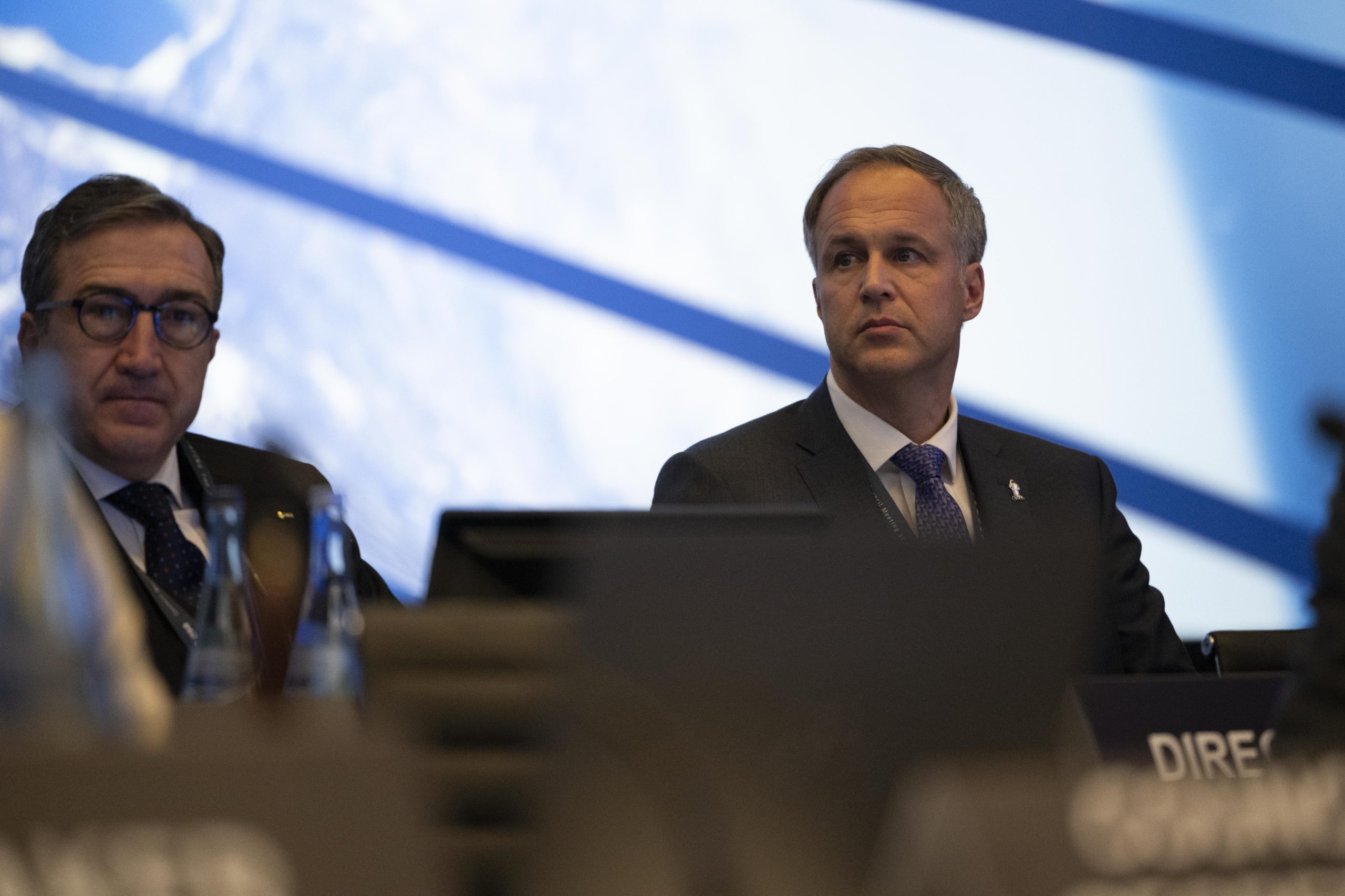
Daniel Neuenschwander, ESA’s Director of Human and Robotic Exploration, acknowledged the ambitious nature of the funding request, stating, “We set very high expectations because we believe Europe must advance its exploration capabilities.” The partial funding may reflect a broader realignment of European priorities, with increased emphasis on secure communication networks and dual-use technologies-areas that saw intense competition for resources during the ministerial. Additionally, uncertainties surrounding NASA’s exploration programs, such as the cancellation of the Mars Sample Return (MSR) mission, the reassessment of the Lunar Gateway, and political challenges facing Artemis budgets, have likely influenced European ministers’ decisions.
Disparities in National Contributions
Funding contributions varied significantly among member states. Germany and Italy emerged as the largest supporters of the HRE program, committing €871 million and €834 million respectively. In contrast, France allocated €200 million, signaling a possible shift in its strategic focus away from human and robotic exploration. Despite these differences, Neuenschwander emphasized that ESA remains committed to maintaining core capabilities essential for autonomous exploration across multiple destinations.
Confirmed Missions and Future Plans
ESA reaffirmed support for several key projects, including the Cargo Return Service for low Earth orbit (LEO), the Argonaut lunar lander, and the Rosalind Franklin rover for Mars exploration. The Argonaut mission, with a budget of €600 million, is slated to land on the Moon by 2030, while Rosalind Franklin is scheduled for launch in 2028 as part of the ExoMars program. The Cargo Return Service aims to establish a commercial European system for transporting materials to and from LEO, enhancing Europe’s logistical autonomy in space.
Reevaluating Mars Sample Return and New Mission Directions
Given the 30% budget shortfall, ESA is reviewing its portfolio to identify areas for adjustment. The Mars Sample Return mission, a collaboration with NASA that has been officially canceled after prolonged uncertainty, is a primary candidate for reassessment. ESA’s Earth Return Orbiter (ERO), originally designed to retrieve samples from Mars orbit, will be repurposed as ZefERO-a standalone European Mars geology mission planned for 2032. Neuenschwander expressed satisfaction with member states’ support for this strategic pivot, highlighting the agency’s adaptability in the face of changing circumstances.
Looking Ahead: Navigating Budget Constraints and Strategic Goals
While the final decisions on potential cuts, delays, or mission modifications remain pending, ESA is actively consulting with its member states to explore viable options. Neuenschwander concluded, “Although we did not secure the full increase we aimed for, our commitment to advancing exploration remains unwavering. We will continue to engage with our partners and return stronger.”