
Bioengineered Moon Jellyfish: Revolutionizing Ocean Climate Monitoring
Harnessing Marine Life for Environmental Insight
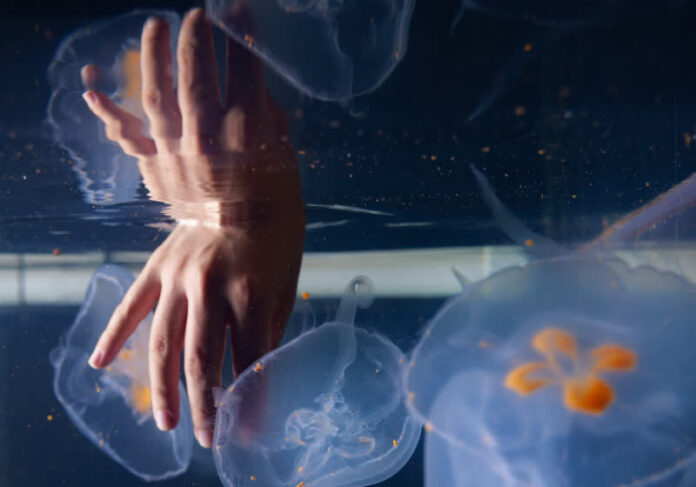
Scientists at the University of Colorado Boulder have pioneered the development of genetically enhanced moon jellyfish designed to delve into the ocean’s depths. These biohybrid organisms serve as living sensors, capable of tracking environmental changes linked to climate dynamics without introducing pollutants into marine ecosystems.
Advantages of Using Modified Jellyfish in Oceanic Studies
Unlike traditional robotic devices, these engineered jellyfish blend seamlessly with their natural surroundings, minimizing ecological disruption. Their soft, flexible bodies allow them to navigate complex underwater terrains, collecting data on temperature fluctuations, acidity levels, and other critical indicators of ocean health. This approach offers a sustainable alternative to conventional oceanographic instruments, which often rely on batteries and metals that can harm aquatic habitats.
Ethical Considerations Surrounding Invertebrate Cyborgs
While the integration of living organisms with technology opens exciting possibilities, it also raises important ethical questions. The welfare of these cyborg jellyfish, their potential impact on natural populations, and the broader implications of creating hybrid life forms require thorough examination. Ongoing discussions among marine biologists, ethicists, and technologists aim to establish guidelines that balance scientific advancement with responsible stewardship.
Future Prospects and Expanding Applications
As climate change accelerates, the demand for innovative monitoring tools grows. Bioengineered jellyfish could soon be deployed in large numbers to provide real-time data across vast oceanic regions, enhancing our understanding of marine ecosystems. Similar biohybrid technologies are being explored for coral reef restoration and pollution detection, signaling a transformative era in environmental science.