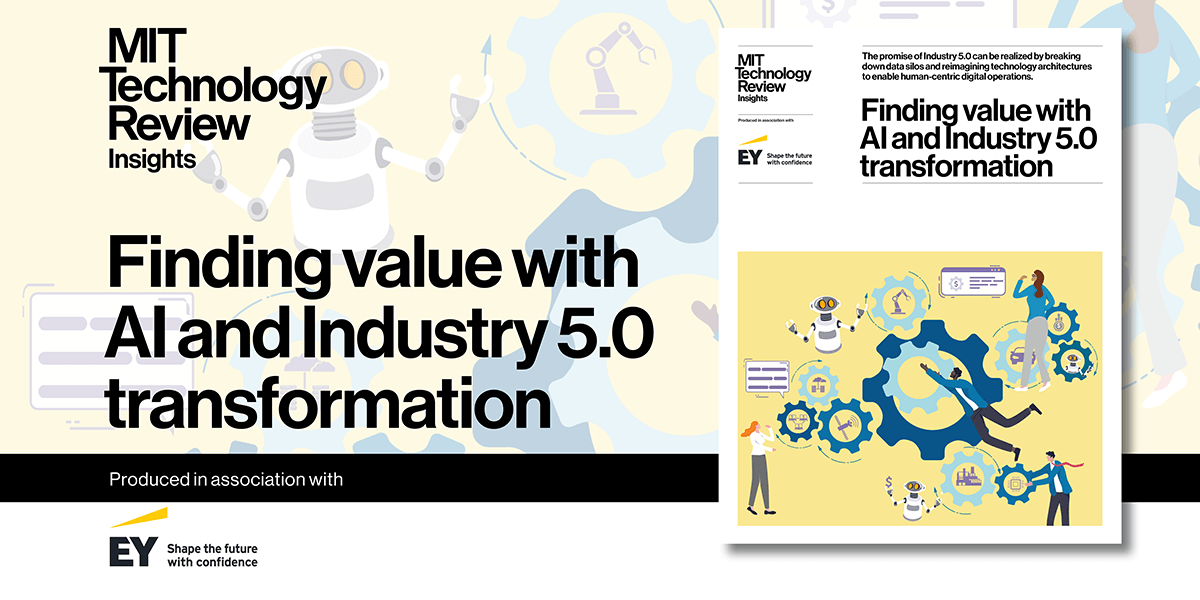
From Industry 4.0 to Industry 5.0: A New Era of Human-Machine Synergy
Over the past decade, Industry 4.0 has been defined by the integration of advanced technologies such as artificial intelligence, cloud computing, the Internet of Things (IoT), robotics, and digital twin simulations. However, Industry 5.0 represents a transformative evolution-shifting the focus from merely combining these technologies to orchestrating them harmoniously on a large scale. The core objective now extends beyond automation to enhancing human capabilities and promoting environmental stewardship.
Reimagining Collaboration: Humans and Machines in Harmony
Industry 5.0 introduces a groundbreaking paradigm where human expertise and machine intelligence collaborate seamlessly. This synergy breaks down traditional data silos, streamlines infrastructure, and optimizes operational processes and resource allocation. Such integration not only disrupts conventional business models but also unlocks innovative avenues for enterprise value creation. Yet, without rigorous frameworks to measure value generation, investments risk yielding only marginal efficiency improvements instead of driving strategic expansion.
Prioritizing Growth, Resilience, and Human-Centered Outcomes
Sachin Lulla, EY’s leader for industrial and energy transformation in the Americas, emphasizes that embracing Industry 5.0 requires companies to transcend a narrow focus on cost reduction and efficiency. Instead, organizations must cultivate resilience, foster growth, and prioritize outcomes that enhance human well-being. Achieving this demands not only cutting-edge technologies but also novel operational models where humans and machines co-create value. Success metrics should evolve beyond mere cost savings to include the generation of new business opportunities and societal benefits.
Current Investment Trends and Challenges
A recent global survey conducted by MIT Technology Review Insights, involving 250 industry executives, reveals a persistent emphasis on efficiency-driven investments. Despite evidence that human-centric and sustainable initiatives yield superior returns, these areas remain underfunded. The study identifies several obstacles hindering the full realization of Industry 5.0’s potential:
- Organizational culture, skill gaps, and limited cross-functional collaboration.
- Fragmented and misaligned technology deployments lacking strategic coherence.
- Prioritization of use cases that favor efficiency over innovation, sustainability, and employee well-being.
Beyond Technology: The Human Element in Industry 5.0 Transformation
Research from EY in partnership with Saïd Business School at the University of Oxford highlights that the barriers to Industry 5.0 adoption extend beyond technological challenges. Strengthening human-centric factors such as leadership vision, cultural adaptability, and strategic alignment is equally critical. While many companies invest heavily in digital transformation, they often miss opportunities to fully leverage the human potential embedded in Industry 5.0 frameworks.
Strategic Focus: Targeted Digital Initiatives for Maximum Impact
Chris Ware, General Manager of Iron Ore Digital at Rio Tinto, cautions against pursuing digital projects without clear objectives, a practice he terms “chasing the digital fairies.” He advocates for tailored roadmaps within each business domain to ensure that digital efforts deliver tangible value. This approach underscores the importance of deliberate, purpose-driven innovation rather than technology adoption for its own sake.
Looking Ahead: Unlocking the Full Promise of Industry 5.0
As Industry 5.0 continues to evolve, organizations that successfully blend advanced technologies with human ingenuity and sustainability principles will lead the next wave of industrial transformation. By fostering collaborative ecosystems, investing in workforce development, and aligning technology with strategic goals, businesses can create resilient, innovative, and socially responsible enterprises.