Japan Airlines to Pilot Humanoid Robots for Airport Operations Amid Labor Shortages
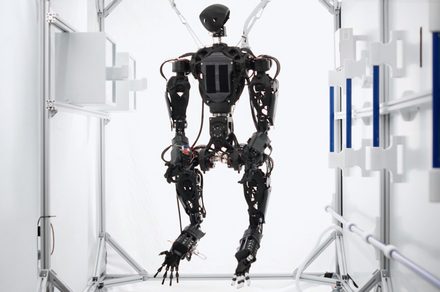
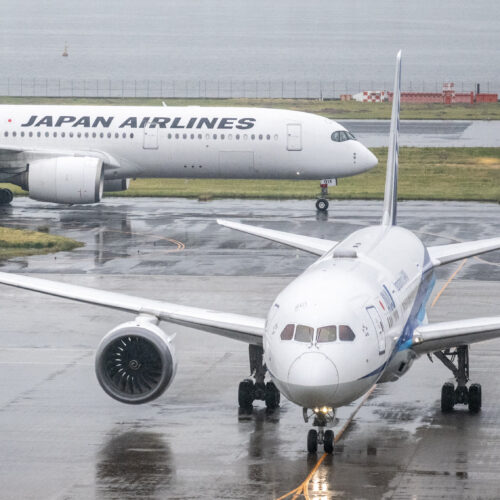
Imagine a future trip where humanoid robots handle your luggage-though perhaps not always flawlessly. Japan Airlines (JAL) is stepping into this reality by launching a two-year trial of humanoid robots tasked with baggage handling, cabin cleaning, and other airport duties at Tokyo’s Haneda Airport, the country’s busiest hub.
Addressing Workforce Challenges with Versatile Robotics
Japan faces a significant labor shortage, particularly in sectors requiring physical labor at airports. Most ground support equipment is designed for human operators, making it impractical to develop specialized robots for each task. Instead, JAL’s approach focuses on humanoid robots capable of using existing tools and equipment, offering a flexible solution to workforce gaps.
Details of the Robotics Trial at Haneda Airport
The trial, set to begin in May, will evaluate the performance of these robots in real-world airport environments over two years. The initiative aims to reduce human workload and create a more sustainable operational model, crucial as Japan’s aging population tightens the labor market and tourism continues to grow.
Collaboration with GMO: The Robotics Provider
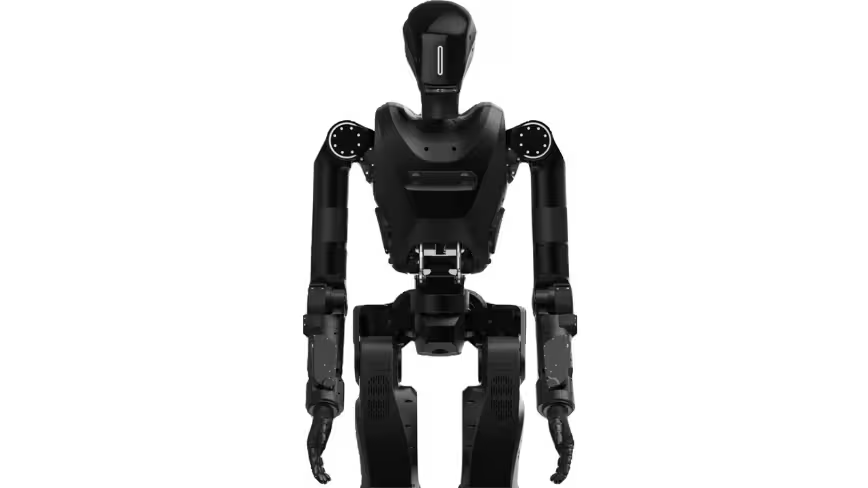
JAL is partnering with GMO, a local company that currently markets four humanoid robot models. However, these robots have limited battery life, typically under three hours, which poses challenges for continuous airport operations. Among GMO’s offerings, the Walker E model stands out as the only one designed for outdoor use-an important feature given Tokyo’s climate extremes, from humid summers to occasional snowy winters.
Robots in Japanese Airports: A Cultural Staple
Robots are already a familiar sight in Japanese airports, especially in business class lounges where automated beer-pouring machines have entertained travelers for years. This new initiative represents a significant expansion of robotic roles, moving from hospitality to essential ground operations.
Looking Ahead: The Future of Airport Automation in Japan
As global airports increasingly explore automation to enhance efficiency and cope with labor shortages, Japan Airlines’ experiment could set a precedent. According to recent industry reports, the global airport robotics market is expected to grow by over 15% annually through 2030, driven by innovations like these.
By integrating humanoid robots capable of multitasking with existing equipment, JAL hopes to pioneer a scalable model that other airports worldwide might adopt, balancing technological advancement with operational practicality.
For a glimpse of robotic hospitality in action, watch this demonstration of automated beer-pouring robots delighting passengers in Japanese airport lounges: