Revolutionizing Nuclear Reactor Construction with 3D Printing and AI
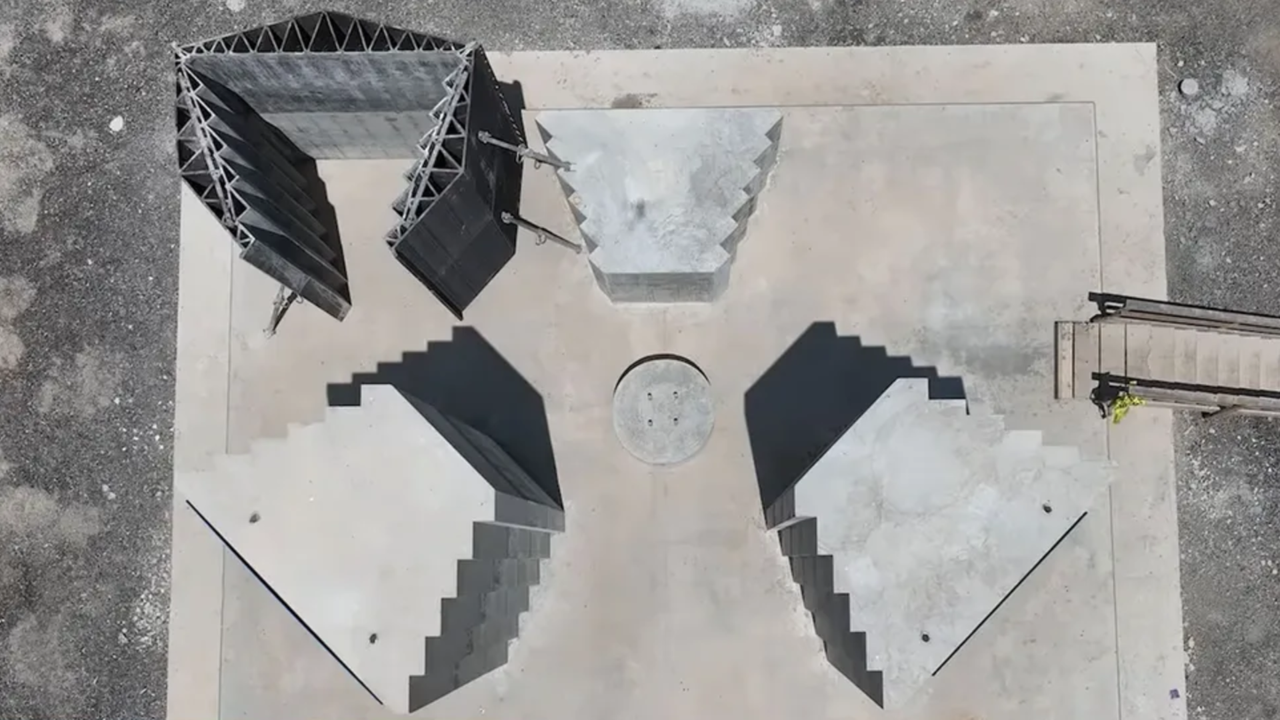
In East Tennessee, Oak Ridge National Laboratory (ORNL) has pioneered the use of robotic 3D printing technology to fabricate concrete shielding components for a nuclear reactor. This initiative is part of the Hermes Low-Power Demonstration Reactor project, funded by the U.S. Department of Energy, and represents a transformative approach to nuclear infrastructure development by integrating advanced manufacturing and artificial intelligence.
Accelerated Fabrication: From Weeks to Days
Traditionally, constructing complex concrete parts for nuclear reactors can take several weeks. However, ORNL’s innovative use of 3D printing enabled the completion of large shielding structures within just 14 days. This dramatic reduction in build time highlights the potential for additive manufacturing to streamline nuclear construction, offering faster turnaround without compromising design complexity.
Integrating AI for Enhanced Precision and Efficiency
Beyond 3D printing, AI-driven software played a crucial role in optimizing the design and assembly processes. By automating intricate calculations and guiding the robotic arms, AI helps minimize human error and accelerates production, especially for components with unique geometries. Nevertheless, this reliance on AI introduces new challenges regarding oversight and validation-ensuring that automated decisions are thoroughly vetted to prevent unnoticed flaws.
Balancing Innovation with Long-Term Reliability
While the speed and precision of 3D-printed concrete parts are promising, the nuclear industry demands structures that endure for decades under extreme conditions. The long-term durability of these novel components remains under evaluation, emphasizing the need for rigorous testing protocols to match the pace of technological advancement. Any structural failure in a nuclear reactor could have severe consequences, making safety the paramount concern.
Addressing Growing Energy Needs with Advanced Nuclear Solutions
As data centers and AI technologies drive up electricity consumption worldwide-data centers alone account for nearly 1% of global electricity use-nuclear power emerges as a reliable, low-carbon energy source to meet this demand. The Hermes project exemplifies how cutting-edge construction methods can support the expansion of nuclear energy infrastructure, potentially creating a synergistic cycle where AI-designed reactors power the very systems that helped build them.
Future Outlook: Cautious Optimism for a New Construction Era
The fusion of 3D printing and AI in nuclear reactor construction signals a new era of efficiency and innovation. However, the industry must proceed with vigilance, ensuring that accelerated timelines do not compromise safety standards. Continuous monitoring, quality assurance, and regulatory oversight will be essential to harness these technologies responsibly and sustainably.
- 3D printing enables rapid fabrication of intricate concrete reactor components.
- AI integration enhances design accuracy but requires stringent validation.
- Long-term performance of 3D-printed parts is still under comprehensive assessment.
- Advanced construction techniques could support the growing energy demands of AI and data centers.