Harnessing the Rise of Robotics: Why Government Commitment is Crucial for the UK’s Future
Robotics stands at the forefront of technological innovation, evolving rapidly across the globe. Today’s robots are smarter, more interconnected, and equipped with cutting-edge AI, sensors, and materials that enable them to revolutionize sectors ranging from healthcare and agriculture to defense and logistics.
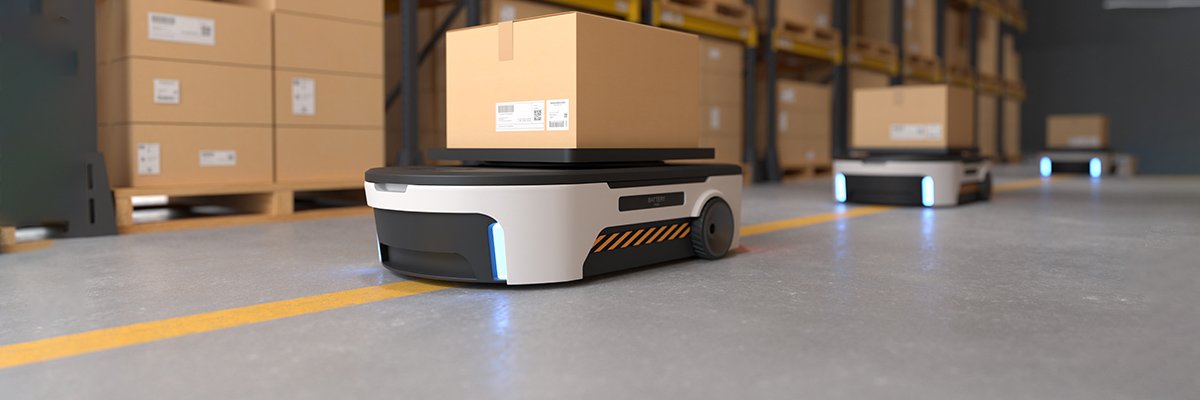
Consider, for instance, robotic systems that assist surgeons with precision during intricate operations or autonomous warehouse robots that efficiently pick and pack orders without human intervention. These applications are no longer futuristic concepts-they are actively transforming industries worldwide.
While the UK boasts world-class robotics research hubs such as University College London and Heriot-Watt University, and a thriving tech ecosystem producing breakthroughs in humanoid robots, computer vision, and collaborative robotics, the critical question remains: can the UK fully capitalize on this transformative wave?
Major players in aerospace, energy, manufacturing, and healthcare sectors are already integrating robotics to enhance productivity, improve safety, and mitigate workforce shortages. However, broader adoption across key industries is essential to unlock the full economic and societal benefits.
Technological Synergies Driving Robotics Innovation
The fusion of emerging technologies is propelling robotics into new realms. The UK’s AI capabilities, among the strongest in Europe, are synergizing with robotics to create autonomous systems capable of independent decision-making, dexterous manipulation of complex objects, unsupervised learning, and seamless human-robot collaboration.
Despite these advances, sectors like healthcare and agriculture in the UK lag behind in scaling robotics solutions that could reduce operational costs and deliver widespread advantages.
Globally, countries such as China, Japan, the United States, South Korea, and Germany are heavily investing in robotics infrastructure and embedding robotics into their industrial strategies. These nations are accelerating adoption through national facilities and targeted funding, setting benchmarks for strategic leadership.
The UK’s Industrial Strategy, including the recent £40 million robotics adoption network initiative, is a positive step. Yet, sustained and expanded investment is necessary to keep pace with international competitors and drive sector-wide transformation.
Positioning the UK as a Robotics Powerhouse
Recognizing the urgency, TechUK has launched a global robotics initiative aimed at uniting government, industry, academia, and other stakeholders to accelerate robotics deployment and enhance productivity.
A key component is the establishment of a cross-sector Robotics Working Group, bringing together leaders from across the UK’s robotics landscape to exchange best practices, identify leadership opportunities, and coordinate strategic actions.
Robotics adoption promises tangible economic benefits: high-value job creation, growth for small and medium enterprises, enhanced competitiveness, and improved public services. Research from Make UK estimates that widespread automation and AI integration, including robotics, could add £150 billion to the UK economy over the next decade-an imperative given current productivity challenges and labor shortages.
Urgent and Decisive Government Action Needed
To seize this opportunity, bold government initiatives are essential. This includes a comprehensive assessment of the UK’s robotics capabilities by the Government Office for Science, formally recognizing robotics as a strategic priority within the Digital and Technologies Sector Plan, and bolstering the robotics division within the Department for Science, Innovation and Technology.
Additionally, prioritizing robotics and embodied intelligence within the Regulatory Innovation Office will help create a supportive environment for innovation and deployment.
The UK possesses the talent, research excellence, and innovative companies necessary to lead globally in robotics. What remains is a unified national vision, coordinated efforts, and robust investment to transform potential into reality.