Southwest Airlines Prohibits Humanoid and Animal-Like Robots Onboard
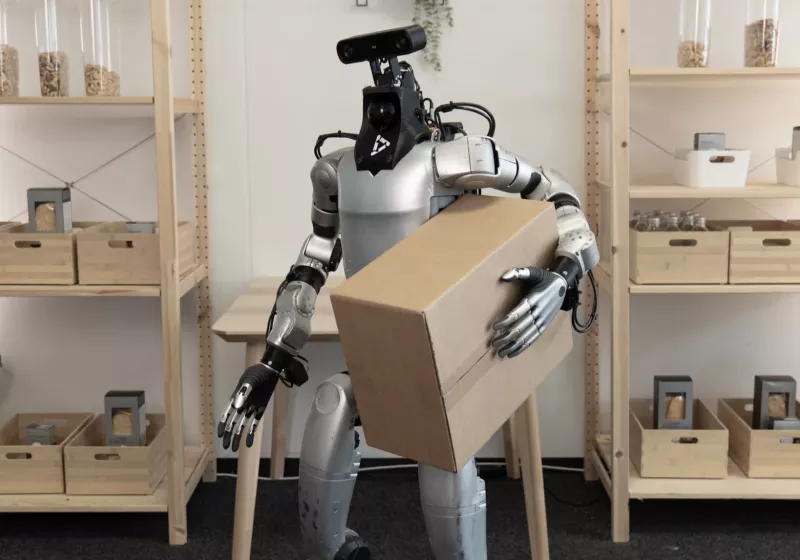
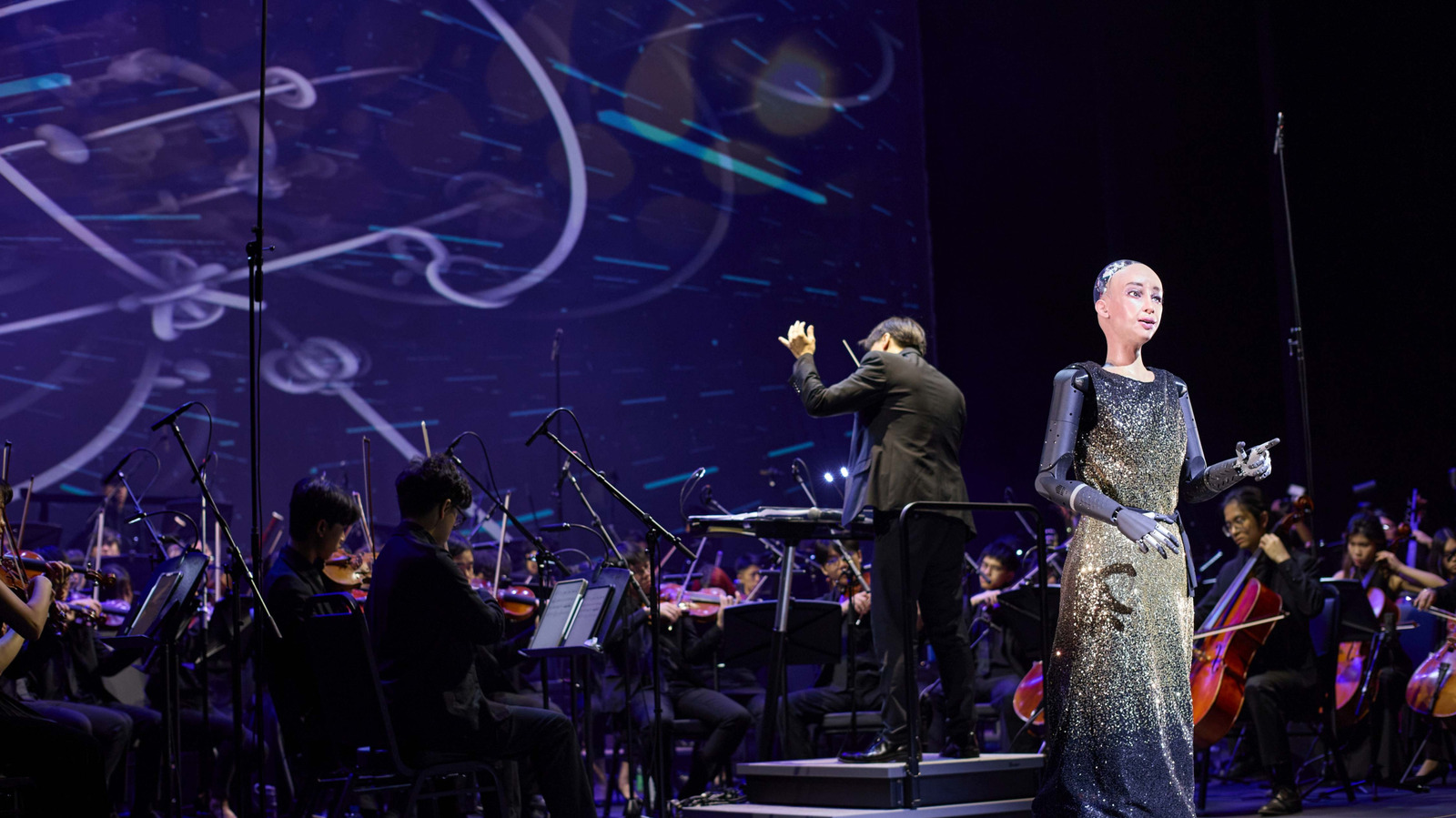
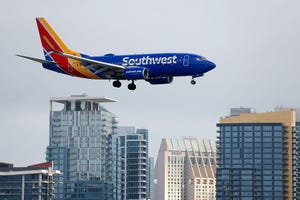
While humanoid robots are increasingly utilized in environments such as warehouses, package delivery services, and even household chores like folding laundry, they are now officially barred from flying on Southwest Airlines. As of May 15, the airline implemented a policy that prohibits the transportation of humanoid and animal-shaped robots both in the cabin and as checked luggage, regardless of their dimensions or intended use.
Exceptions and Battery Regulations for Other Robots
Southwest Airlines does allow other types of robots that do not fall under the humanoid or animal-like categories, provided they fit within the size limits of a standard carry-on bag. These devices must also adhere to the airline’s strict lithium battery guidelines. Specifically, power banks and batteries powering these robots are restricted to a maximum capacity of 100 watt-hours. Additionally, passengers are limited to carrying only one power bank each, a rule that took effect on April 20. This measure aligns with the airline’s ongoing efforts to mitigate fire hazards associated with lithium-ion batteries, which includes a ban on charging devices inside carry-on luggage during flights.
Rationale Behind the New Policy
Lynn Lunsford, a spokesperson for Southwest Airlines, clarified that the new restrictions were not prompted by a single event but rather a series of incidents involving passengers attempting to bring robots onboard. “We have encountered several cases where customers either purchased seats for robots or tried to bring them as baggage,” Lunsford explained. One notable incident caused a flight delay and attracted media attention. The airline’s primary concern centers on the size and safety risks posed by the lithium-ion batteries that power these robots. To avoid ambiguity, the policy uniformly applies to all similar devices, irrespective of their size or function.
Recent Incidents Involving Robots on Southwest Flights
Southwest Airlines has recently faced multiple challenges related to robot passengers. In one case, a Unitree Bebop robot, a humanoid model, was assigned a seat on a flight from Oakland San Francisco Bay Airport to San Diego, resulting in a delay. This robot was reportedly rented by a Dallas-based company specializing in providing humanoid robots for events.
In another instance, a smaller robot named Stewie was also booked in its own seat on a flight from Dallas to Las Vegas on May 10. Like the Bebop, Stewie was owned by a company that rents out robots for various purposes.
Broader Implications for Robot Travel
These developments highlight the growing intersection between robotics and commercial air travel, raising important questions about safety, regulation, and the future of autonomous devices in public transportation. As robots become more prevalent in everyday life, airlines and regulatory bodies will likely continue to refine policies to balance innovation with passenger safety.