Revolutionizing Manufacturing Quality Control with Computer Vision
Ensuring superior product quality remains a critical priority in manufacturing industries worldwide. Traditional quality assurance methods, often dependent on manual inspections and measurements, tend to be labor-intensive, costly, and prone to human error. However, the advent of artificial intelligence (AI), particularly computer vision technology, is transforming quality control by enabling faster, more precise, and cost-effective inspection processes.
Understanding Computer Vision and Its Role in Quality Assurance
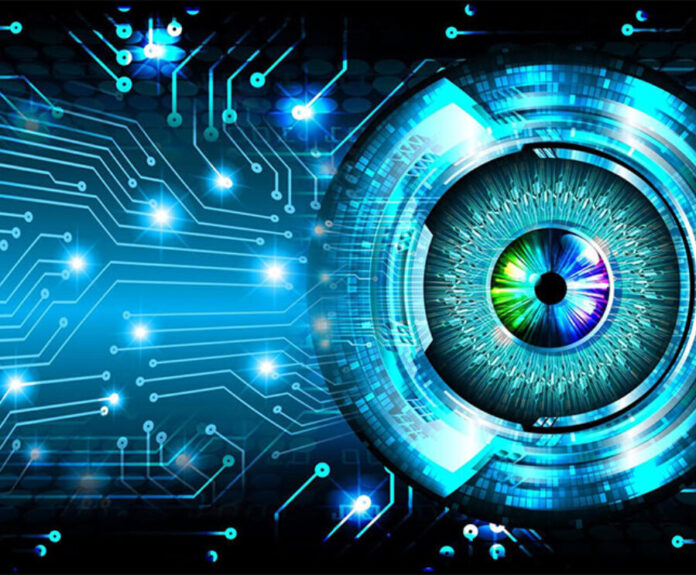
Computer vision, a specialized branch of AI, empowers machines to interpret and analyze visual data similarly to human perception. By leveraging high-resolution cameras, sensors, and sophisticated algorithms, computer vision systems can detect defects, irregularities, and patterns in products during manufacturing. This capability allows for rapid and accurate visual inspections that surpass traditional manual methods.
How Computer Vision Operates in Quality Control
- Image Capture: Advanced sensors or cameras acquire detailed images of products or materials on the production line.
- Image Processing: The captured visuals undergo preprocessing to eliminate noise, adjust lighting, and highlight critical features relevant to quality assessment.
- Defect Analysis: Machine learning models, trained on extensive datasets, analyze images to identify deviations from quality standards or detect flaws.
- Decision Execution: The system classifies products as acceptable or defective, triggering alerts or automated responses as necessary.
Advantages of Real-Time Quality Control Using Computer Vision
Integrating computer vision into real-time quality control workflows offers numerous benefits that enhance manufacturing efficiency and product reliability.
1. Enhanced Accuracy and Consistency
Unlike human inspectors who may experience fatigue or inconsistency, computer vision systems maintain unwavering precision, analyzing thousands of images within seconds. This capability ensures early detection of minute defects, significantly reducing the risk of faulty products reaching consumers.
2. Accelerated Production Throughput
Computer vision operates continuously without breaks, matching or exceeding production line speeds. This seamless integration minimizes bottlenecks, enabling higher output rates and reducing delays commonly associated with manual inspections.
3. Cost Efficiency and Waste Reduction
Automating quality checks lowers labor expenses and decreases the volume of rejected products by identifying defects early in the manufacturing process. Over time, these savings contribute to improved profitability and resource optimization.
4. Scalability for Diverse Manufacturing Needs
Computer vision systems are adaptable to varying production volumes and product types. Whether handling small batch runs or mass production, these solutions can scale accordingly, making them suitable for industries ranging from automotive to consumer electronics.
5. Data-Driven Insights for Continuous Improvement
Beyond defect detection, computer vision generates valuable data on production trends and anomalies. Manufacturers can leverage this information to predict equipment maintenance, optimize workflows, and proactively address potential quality issues.
Practical Applications of Computer Vision in Manufacturing
Defect Detection and Quality Verification
Computer vision excels at identifying surface imperfections such as cracks, scratches, or color inconsistencies. For example, in the textile industry, it can detect weaving defects that are invisible to the naked eye, ensuring only flawless fabrics proceed to packaging.
Packaging and Label Accuracy
In sectors like pharmaceuticals and food production, precise packaging and labeling are vital for compliance and brand integrity. Computer vision systems verify label placement, barcode accuracy, and packaging integrity, preventing costly recalls and regulatory penalties.
Assembly Line Inspection
Ensuring correct assembly is crucial, especially in electronics manufacturing. Computer vision can confirm the presence and proper positioning of components such as circuit boards, connectors, and fasteners, reducing the risk of malfunctioning products.
Challenges and Considerations in Implementing Computer Vision
- Initial Investment: Deploying computer vision requires upfront costs for high-quality cameras, sensors, and software development. However, the return on investment is often realized through long-term efficiency gains and defect reduction.
- System Calibration and Maintenance: To maintain accuracy, regular calibration is essential to adapt to changes in lighting, production speed, or material variations. Ongoing maintenance ensures consistent performance.
- Integration Complexity: Incorporating computer vision into existing manufacturing workflows can be challenging. Careful planning and expert collaboration are necessary to achieve seamless integration without disrupting operations.
Conclusion: Embracing the Future of Quality Control
Computer vision is revolutionizing quality control by delivering faster, more reliable inspections that enhance product standards and operational efficiency. As this technology continues to evolve, its adoption across manufacturing sectors is expected to grow, driving higher automation levels and enabling manufacturers to consistently meet stringent quality demands. Embracing computer vision today positions businesses to stay competitive and responsive in an increasingly quality-conscious market.