NASA Selects Blue Origin to Deliver VIPER Rover to Lunar South Pole in 2027
Reviving Lunar Exploration with New Partnerships
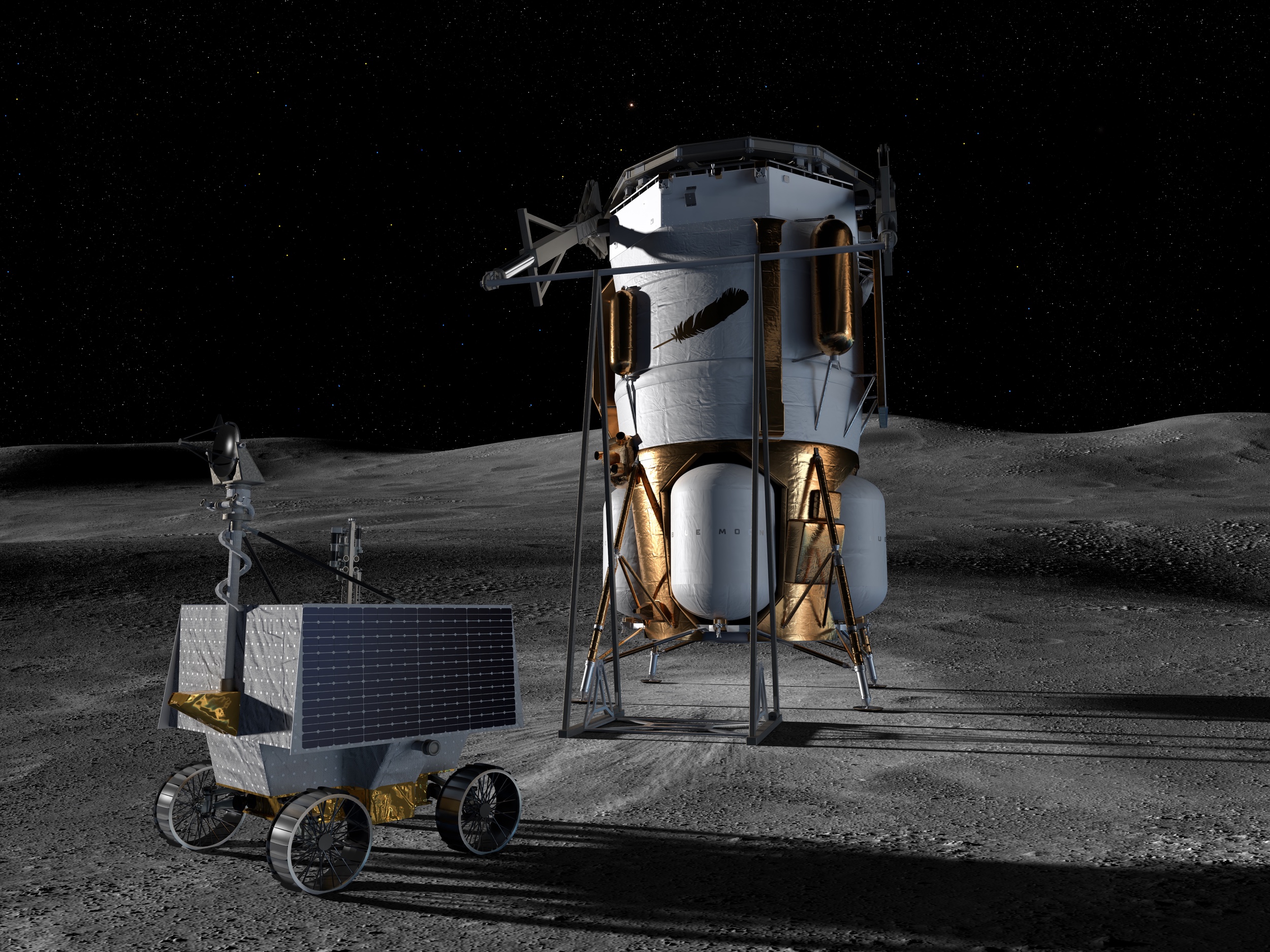
In a significant development for lunar exploration, NASA has entrusted Blue Origin with the mission to deliver the Volatiles Investigating Polar Exploration Rover (VIPER) to the Moon’s south pole by late 2027. This decision, announced on September 19, 2024, comes after a period of uncertainty surrounding the rover’s deployment.
Blue Moon Mark 1: The Chosen Lunar Lander
Blue Origin’s Blue Moon Mark 1 lander will serve as the delivery vehicle for VIPER, marking its second mission following an anticipated launch later this year. VIPER’s primary objective is to investigate the presence and distribution of water ice within the permanently shadowed craters of the lunar south pole, a key resource for future sustained lunar presence.
Policy Shift and Strategic Realignment
This contract award represents a notable pivot in NASA’s approach. Earlier in 2024, the agency had announced the cancellation of VIPER due to escalating costs and concerns over the readiness of the initially planned Astrobotic Griffin lander, which was scheduled for a 2025 launch. NASA’s reassessment led to seeking alternative delivery methods that would not require additional federal funding.
Innovative Contract Structure Under CLPS
The new CLPS task order, designated CS-7, introduces a phased contract model. The initial award covers the design and integration of VIPER’s accommodations on the Blue Moon lander, as well as the mechanisms for deploying the rover onto the lunar surface. The actual delivery will be funded through an option exercised only after successful design completion and a confirmed Blue Moon landing. This approach mitigates financial risk while enabling mission progress.
NASA’s Vision for Cost-Effective Lunar Science
NASA’s Associate Administrator for Science, Nicky Fox, emphasized the agency’s commitment to leveraging private sector innovation to achieve exploration goals affordably. “This partnership exemplifies how commercial capabilities can advance American leadership in space while ensuring sustainable and cost-conscious lunar exploration,” Fox stated.
Astrobotic’s Strategic Decision and Future Payloads
Following the shift in VIPER’s delivery plan, Astrobotic, the original lander provider, opted not to compete for the new contract due to tight timelines and existing commitments. Instead, Astrobotic will focus on deploying commercial payloads aboard its Griffin lander, including the FLIP rover developed by Astrolab, supporting ongoing lunar science and technology demonstrations.
Looking Ahead: The Road to Lunar Permanence
Blue Origin’s upcoming mission with Blue Moon Mark 1 is poised to deepen our understanding of lunar water resources, a critical factor for establishing a sustainable human presence on the Moon. As NASA continues to refine its commercial partnerships, this mission underscores the evolving landscape of lunar exploration, blending government objectives with private sector agility.