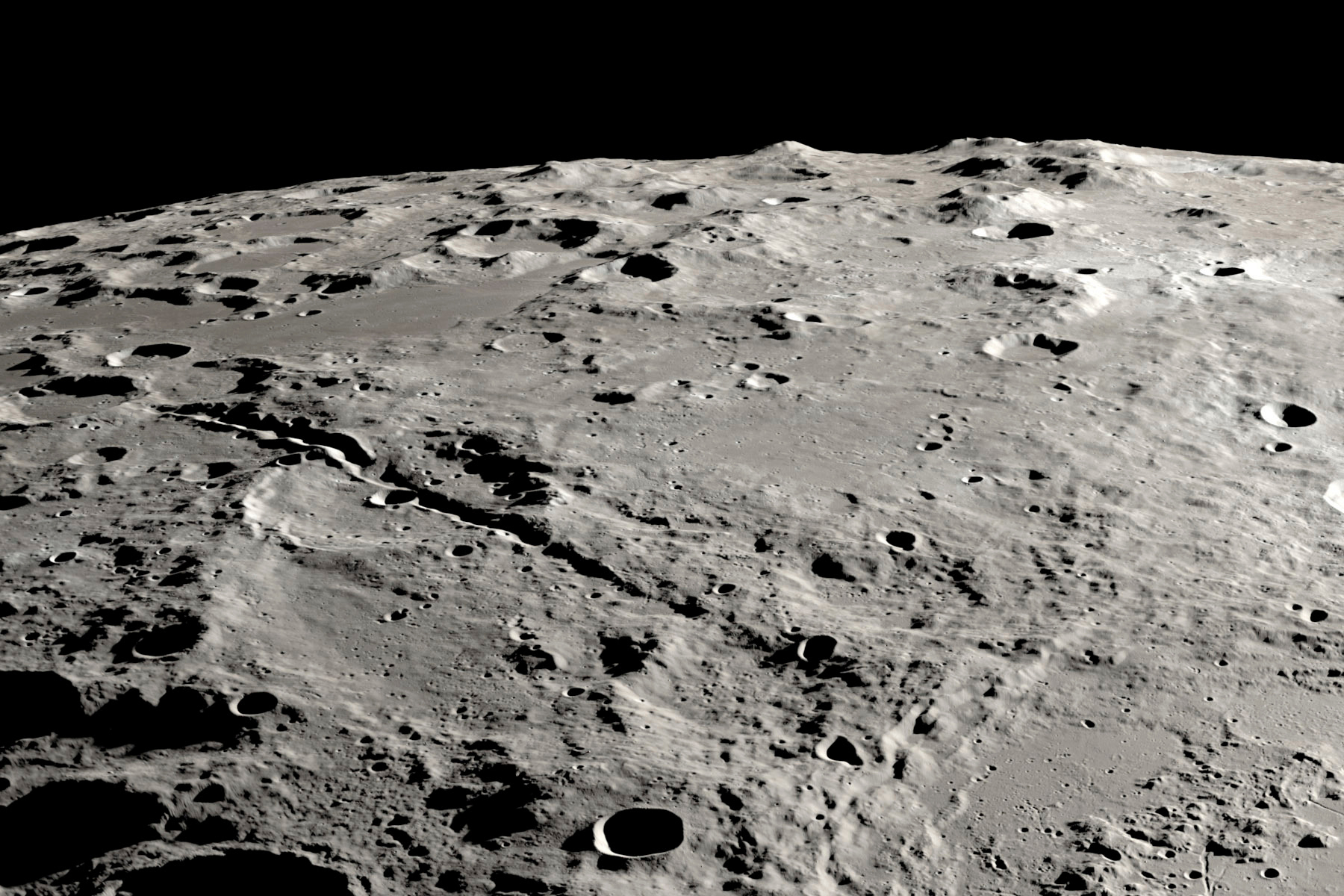
NASA is set to expand its robotic lunar explorations and introduce a nuclear-powered spacecraft named Space Reactor 1 Freedom.
NASA’s Revamped Vision for Moon and Mars Exploration
In a significant strategic pivot, NASA has announced the cancellation of its lunar-orbit space station project, redirecting $20 billion over the next seven years toward establishing a permanent base on the Moon’s surface. Concurrently, the agency is accelerating efforts to deploy a nuclear-powered spacecraft destined for Mars.
Leadership and Strategic Direction
Jared Isaacman, NASA’s Administrator since December and appointed by former President Donald Trump, revealed these updates during a high-level meeting in Washington, DC, involving Artemis program collaborators, contractors, and government officials. This shift is part of a comprehensive revision of NASA’s Moon-to-Mars exploration roadmap.
Building a Sustainable Lunar Outpost
The envisioned lunar base aims to support continuous human habitation on the Moon. Prior to astronaut arrival, a series of robotic missions will be deployed to prepare the site, validate new technologies, and initiate construction of essential infrastructure. This approach reflects NASA’s commitment to sustainable extraterrestrial presence, aligning with recent trends in space exploration emphasizing long-term habitation.
Introducing Space Reactor 1 Freedom: Nuclear Propulsion for Deep Space
NASA plans to launch the Space Reactor 1 Freedom spacecraft by the end of 2028. This mission will demonstrate nuclear electric propulsion capabilities in deep space, a critical technology for efficient interplanetary travel. The spacecraft will also transport rotorcraft to Mars, building on the success of the Ingenuity helicopter, which achieved the first powered, controlled flight on another planet in 2021.
By transitioning nuclear propulsion from experimental stages to operational deployment, NASA aims to enhance mission endurance and payload capacity for future Mars expeditions.
Reevaluating the Lunar Gateway: From Orbit to Surface
The Lunar Gateway, initially conceived as a lunar-orbiting space station developed with partners such as Northrop Grumman and international agencies, was designed to serve as a staging ground for Moon surface missions. However, NASA is now shifting focus by repurposing Gateway components to support surface infrastructure instead.
This strategic redirection raises questions about the involvement of key international partners-Japan, Canada, and the European Space Agency-who had committed to contributing modules and technology for the Gateway station. Their future roles within the Artemis program remain to be clarified.
Isaacman emphasized, “Pausing Gateway in its current configuration allows us to concentrate resources on building infrastructure that enables sustained lunar surface operations.”
Implications Amid Global Lunar Competition
These adjustments to the Artemis program, which began in 2017 as NASA’s ambitious follow-up to the Apollo missions, involve reconfiguring multi-billion-dollar contracts. The changes come as the United States faces intensified competition from China, which has announced plans to land astronauts on the Moon by 2030, underscoring the strategic importance of lunar exploration.
NASA’s renewed focus on a surface base and nuclear propulsion technologies reflects a broader trend in space exploration prioritizing long-term presence and advanced propulsion systems to maintain leadership in the new era of interplanetary missions.