
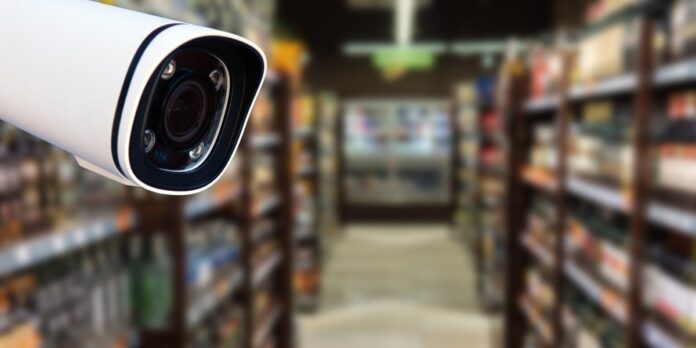
Sainsbury’s Implements Live Facial Recognition to Combat Retail Theft Amid Rising Crime
As the second-largest supermarket chain in the UK, Sainsbury’s has recently initiated a pilot program deploying live facial recognition (LFR) technology in two of its stores. This move aims to reduce shoplifting and enhance security measures in response to escalating retail crime.
Customer Support and Industry Context
A survey conducted by Sainsbury’s in July revealed that 63% of shoppers believe LFR could effectively identify repeat offenders, highlighting a significant level of consumer backing for the technology. This initiative comes at a time when the retail sector is grappling with a surge in theft and violence.
Escalating Retail Crime: A National Concern
According to the British Retail Consortium’s latest Crime Survey, retail theft incidents are projected to reach 20 million in 2023-24, marking a 25% increase compared to the previous year. The financial impact is staggering, with losses estimated at £2.2 billion. Additionally, retail workers face an average of over 2,000 daily reports of violence and abuse, underscoring the urgent need for enhanced protective measures.
Data from the Office for National Statistics further corroborates this trend, reporting more than 530,000 shoplifting offenses in the year ending March 2025-a 20% rise from 2024 figures.
Details of the Facial Recognition Trial
The trial is set to launch this week in Sainsbury’s Sydenham and Bath locations, utilizing technology provided by Facewatch. The system is designed to identify individuals with a history of theft or violent behavior, enabling staff to intervene proactively.
Importantly, any facial data that does not match known offenders is deleted immediately, aiming to protect the privacy of innocent customers.
Privacy Concerns and Opposition
Despite the potential benefits, privacy advocates have voiced strong objections. Big Brother Watch, a prominent campaign group, warns that the technology risks unfairly targeting innocent shoppers. Madeleine Stone, Senior Advocacy Officer at Big Brother Watch, expressed concerns that customers are being added to covert watchlists without due process, leading to wrongful accusations and exclusion from stores.
The group argues that facial recognition technology is currently “dangerously unregulated” in the UK and has called on supermarkets to halt the trial immediately.
Industry-Wide Adoption and Challenges
Sainsbury’s is not alone in exploring facial recognition. Other UK retailers such as Iceland, House of Fraser, Sports Direct, Home Bargains, Co-op, and Asda have also experimented with similar systems. For instance, Asda has been testing LFR in five stores, with Chief Commercial Officer Liz Evans emphasizing the technology’s role in enhancing store safety and reducing theft.
Balancing Security and Privacy
CEO Simon Roberts acknowledged the privacy concerns surrounding facial recognition but stressed that the technology is intended solely to identify serious offenders involved in theft, violence, or aggression. He emphasized that the system is not designed to monitor employees or law-abiding customers but to protect staff and shoppers from harm.
Technical Limitations and Real-World Effectiveness
Recent research highlights that facial recognition systems often perform better in controlled environments than in everyday settings, where factors like lighting, makeup, and facial coverings can reduce accuracy. For example, even subtle changes in appearance can hinder the technology’s ability to correctly identify individuals, raising questions about its reliability in busy retail environments.
Looking Ahead: The Future of Retail Security
As retail crime continues to rise, the adoption of advanced technologies like facial recognition may become more widespread. However, balancing the benefits of enhanced security with the protection of individual privacy rights remains a critical challenge. Ongoing dialogue between retailers, technology providers, regulators, and consumer rights groups will be essential to ensure ethical and effective use of such systems.