
Home Fossil Energy SBM Offshore Interview: Shaping Next-Generation FPSOs with Standardization, Robotics, AI, and Low-Carbon Innovations
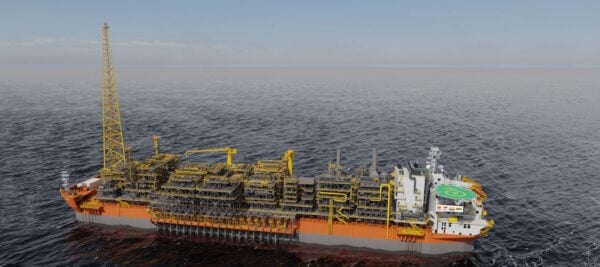
SBM Offshore, a leading Dutch company specializing in the design, construction, installation, and operation of offshore floating facilities, has unveiled insights into its transformative journey toward future-proof floating production, storage, and offloading (FPSO) units. Central to this evolution is the Fast4Ward program, which integrates cutting-edge technologies and operational strategies to meet the demands of a rapidly changing energy sector.
In a recent discussion, Alex Glenn, Chief Operating Officer at SBM Offshore since 2007, emphasized the pivotal role of robotics, artificial intelligence (AI), electrification, and carbon capture technologies in driving the company’s growth and sustainability objectives.
With a background in Marine Technology from the University of Newcastle Upon Tyne and extensive offshore experience beginning with Maersk Contractors in the North Sea, Glenn detailed how SBM Offshore transitioned from custom-built FPSOs to a modular, standardized, and data-centric operational framework. The Fast4Ward initiative is at the heart of this shift, introducing pre-engineered hulls and topside modules that significantly shorten delivery schedules and enhance cost certainty.
Key priorities such as safety, environmental stewardship, and operational efficiency have been embedded alongside digital platform integration and the expansion of global execution hubs. Challenges like fragmented data systems, cultural shifts, and emission reduction targets have been tackled through comprehensive digital strategies, workforce training, and strategic partnerships.
SBM Offshore leverages industrialized execution methods, AI-driven predictive maintenance, digital twin technology, and expertise in deepwater operations. Continuous operational feedback refines designs, while collaborations with industry leaders such as SLB, Cognite, and Mitsubishi Heavy Industries accelerate innovation and sustainability efforts.
Transforming FPSO Operations: From Custom Builds to Standardized Excellence
Alex Glenn explains that over the past decade, SBM Offshore has evolved from delivering bespoke FPSOs to adopting a standardized, modular, and data-driven operating model. The Fast4Ward program established a consistent framework featuring standardized hulls and topside modules, enabling continuous improvement across all asset lifecycle stages-from engineering and procurement to decommissioning.
The transformation was motivated by several factors:
- Enhancing safety and sustainability to boost overall asset performance and reliability.
- Applying standardization to improve schedule adherence and cost predictability.
- Utilizing accumulated project and asset data to optimize operations.
- Expanding capacity and efficiency through the growth of execution centers in India and strategic partnerships in China.
Overcoming Industry Challenges: Data, Culture, and Emissions
Glenn identifies three primary obstacles in modernizing offshore operations:
- Data Silos: Disparate information systems hindered integrated data access, necessitating new platforms and governance models.
- Operational Change Management: Implementing new tools and processes for 24/7 offshore crews, often limited by satellite connectivity, required robust training and human-centered design.
- Accelerated Emissions Reduction: Integrating electrification, flare reduction, and carbon capture into both existing and new assets without compromising reliability demanded innovative digital solutions and collaborative standards.
SBM Offshore’s Distinctive Edge in the FPSO Market
SBM Offshore differentiates itself through:
- Scalable Standardization: The Fast4Ward program delivers repeatable FPSO designs across multiple regions, ensuring cost stability and operational consistency.
- Comprehensive Digital Integration: Partnerships with Cognite and SLB enable AI-powered predictive maintenance, digital twins, and integrated data analytics spanning subsurface to topside operations.
- Technological Leadership: The Liza Unity FPSO, operated for ExxonMobil in Guyana, was the first globally to earn the ABS REMOTE-CON notation, showcasing advanced remote operation capabilities.
- Deepwater Expertise: Recognized as a leader in large-capacity deepwater FPSOs, SBM Offshore excels in navigating the technical and regulatory complexities of this challenging segment.
Fast4Ward: Addressing Industry Pain Points with Industrialized Solutions
Historically, FPSO projects suffered from lengthy timelines, high costs, and elevated execution risks due to bespoke engineering and supply chains. Clients demanded faster, more predictable delivery, especially as deepwater developments intensified competition.
SBM Offshore’s Fast4Ward program reimagined FPSO development as a series production model rather than a one-off craft. Analysis of over 30 delivered FPSOs revealed that 70-80% of the design is repeatable, enabling early standardization and parallel construction activities.
Key innovations include:
- Multi-Purpose Floater (MPF) Hull: A generic, class-approved hull design reduces engineering time and integration risks, with multiple hulls already delivered by 2024-2025 from yards like SWS and CMHI.
- Modular Topsides Standardization: Standardizing design elements and equipment selection at a granular level accelerates design and minimizes costly surprises during commissioning.
- Industrialized Execution Mindset: Streamlined supply chains, repeatable quality controls, and a consistent execution rhythm enable partner yards to improve efficiency across successive hulls.
This approach has cut delivery times by up to a year, lowered integration risks, and created a flexible platform capable of incorporating emerging technologies such as digital tools and emissions-reduction systems.
Challenges in Fast4Ward Implementation and Strategies for Success
Implementing Fast4Ward required overcoming:
- Supply Chain Coordination: Aligning shipyards, fabricators, and suppliers on standardized specifications demanded long-term collaboration and trust.
- Technical Governance: Rigorous configuration management and change control ensured design integrity.
- Cultural Shift: Transitioning teams from bespoke craftsmanship to industrialized series production involved leadership alignment, global training, and continuous improvement frameworks.
SBM Offshore addressed these through strong technical authorities, enhanced governance, supplier engagement, and demonstrable benefits from multiple hull deliveries.
Impact on Project Timelines, Costs, and Risk Management
Fast4Ward has delivered significant improvements:
- Schedule Acceleration: Early hull construction reduces project duration by approximately 12 months.
- Cost Stability: Standardized designs limit scope changes and engineering overruns.
- Learning Curve Advantages: Efficiency gains and quality improvements accrue with each successive hull.
- Risk Reduction: Lower technical uncertainty decreases contingency requirements and strengthens investment confidence.
Operational Feedback Driving Continuous Enhancement
SBM Offshore integrates operational insights to refine Fast4Ward designs, including:
- Simulated start-up procedures via Operator Training Simulators to optimize commissioning.
- Fleet-wide reviews of control systems and process safety to improve alarm management and system integration.
- Data-driven adjustments informed by equipment performance, emissions monitoring, and production optimization.
This feedback loop ensures that each new FPSO benefits from the collective experience of the entire fleet.
Fostering a Culture of Continuous Improvement Across Borders
The company balances global standardization with local innovation by:
- Maintaining robust global technical standards and competency frameworks.
- Empowering regional teams to adapt execution within defined parameters.
- Utilizing shared digital platforms for real-time data transparency and benchmarking.
- Embedding continuous improvement through leadership accountability and performance management.
- Investing in people development via training, rotations, and communities of practice.
This approach cultivates a disciplined, learning-oriented global operations culture receptive to innovation.
Future Outlook: Preparing FPSOs for the Next Energy Era
Looking ahead, SBM Offshore plans to advance its core capabilities while pioneering new solutions by:
- Implementing electrification, advanced energy management, closed flare systems, and integrated carbon capture to reduce emissions.
- Deploying robotics and remote operations to enhance safety and uptime by minimizing personnel exposure to hazardous environments.
- Harnessing AI and digital twins to automate design, optimize maintenance, and maximize asset performance.
The company’s extensive ocean infrastructure expertise positions it to expand into adjacent sectors, leveraging the Fast4Ward platform, digital partnerships, and low-carbon FPSO concepts to meet evolving regulatory and market demands.
Alignment with Industry Trends: Digitalization, Sustainability, and Modularity
Fast4Ward supports key offshore industry trends by:
- Digitalization: Providing a unified data architecture that accelerates AI, analytics, and digital twin deployment.
- Sustainability: Incorporating electrified systems, carbon capture, and energy-efficient designs to lower operational emissions.
- Modularity: Utilizing pre-engineered modules and standardized interfaces to simplify construction, upgrades, and lifecycle management.
Collaborative Ecosystem: Partnerships Driving Innovation and Reliability
SBM Offshore’s success relies on strong alliances with shipyards, suppliers, technology firms such as SLB and Cognite, carbon capture experts Mitsubishi Heavy Industries, and classification societies like ABS and Bureau Veritas. These collaborations accelerate innovation, validate new capabilities, and reduce risks for clients.
Final Thoughts: Delivering Safety, Emissions Reduction, and Reliability Through Standardization
Alex Glenn concludes that integrating standardized platforms with enhanced data capabilities elevates safety, lowers emissions, and improves reliability simultaneously. The Fast4Ward program, digital partnerships, and decarbonization roadmap exemplify SBM Offshore’s commitment to tangible, project-by-project progress in the offshore energy sector.