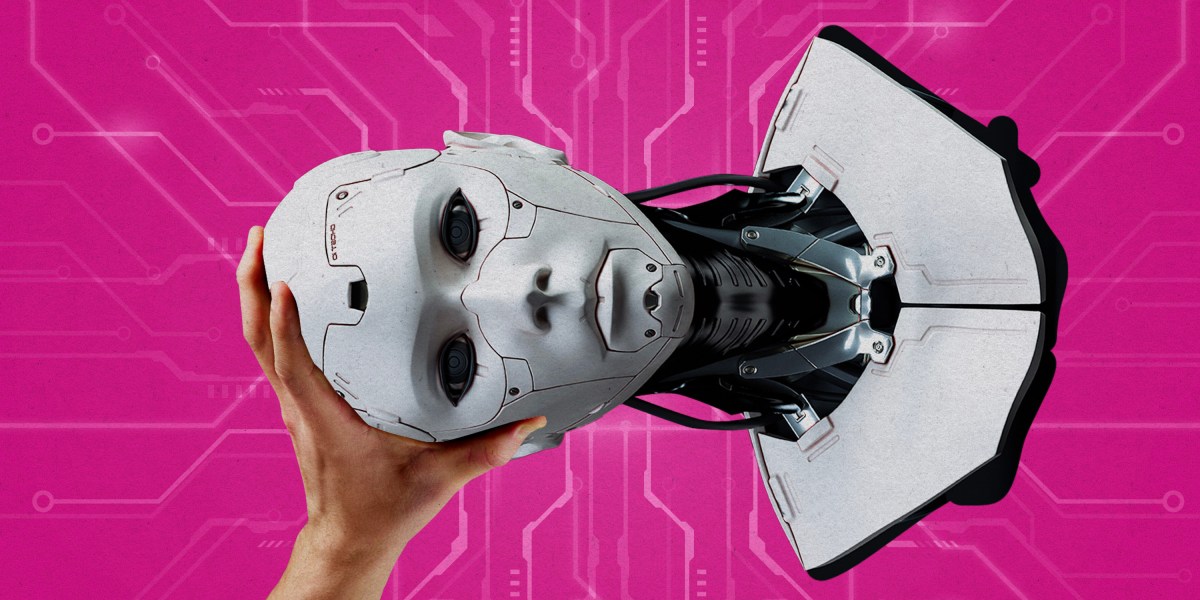
Ushering in the Age of Physical AI: Beyond Chatbots to Autonomous Machines
Earlier this year, Jensen Huang, CEO of Nvidia-the world’s most valuable tech company-declared that we are on the cusp of a new era: physical AI. This phase envisions artificial intelligence extending far beyond conversational agents and language models, evolving into machines capable of performing complex physical tasks. Interestingly, Huang made a similar prediction the previous year, underscoring the persistent momentum behind this vision.
From Robotic Arms to Cognitive Automation: A Paradigm Shift
Traditional automation has largely relied on robotic appendages designed for specific, repetitive tasks-think of single-purpose arms assembling car parts or sorting items. However, the emerging trend is to develop robots that emulate human cognition: learning, adapting, and problem-solving in real time. This shift promises more versatile machines but also obscures the significant human effort involved in their training and operation. As a result, public perception often overestimates robotic autonomy while overlooking the novel labor dynamics underpinning these technologies.
Human Labor: The Hidden Backbone of Robot Training
Robots today frequently learn through human demonstration, requiring extensive data collection of human movements and actions. For instance, in Shanghai, a worker recently spent an entire week repetitively opening and closing a microwave door while outfitted with a virtual reality headset and an exoskeleton to generate training data for a nearby robot. Similarly, in North America, the robotics firm Figure has announced plans to collaborate with Brookfield, a real estate investment company managing over 100,000 residential units, to amass vast datasets capturing household activities across diverse environments. These initiatives highlight how human physical labor is becoming a critical input for training AI-driven machines.
Movement Data as the New Frontier of AI Training
Just as large language models have been trained on vast corpora of text, the next wave of AI development involves capturing and learning from human physical movements. This trend raises concerns about the implications for workers who may be tasked with repetitive, physically demanding data collection roles. Aaron Prather, a robotics expert, shared insights about a delivery company where employees wore motion sensors while handling packages; the collected data is intended to teach robots how to perform similar tasks. Such large-scale human data gathering for humanoid robots signals a future where manual laborers become integral to AI training pipelines-a development that may feel unsettling and unprecedented.
Teleoperation: The Human Hand Behind Robot Autonomy
While the ultimate goal is fully autonomous robots, many companies currently rely on teleoperation-remote human control-to complete complex tasks. For example, 1X, a startup producing a $20,000 humanoid robot named Neo, plans to ship units to consumers this year. However, the company’s founder, Bernt Øivind Børnich, acknowledges that Neo’s autonomy is limited; when the robot encounters difficulties or customers request intricate chores, tele-operators based in Palo Alto remotely pilot the robot via its cameras to perform tasks like ironing clothes or unloading dishwashers.
Privacy and Labor Implications of Remote Robot Operation
Although 1X obtains user consent before switching to teleoperation, this model challenges traditional notions of privacy. Having remote operators perform household chores through robots introduces new surveillance dynamics. Moreover, if humanoid robots are not genuinely autonomous, teleoperation effectively becomes a form of wage arbitrage, enabling physical labor to be outsourced to regions with lower labor costs. This mirrors gig economy patterns but extends them into the realm of physical work, raising ethical and economic questions about the future of labor.
Lessons from Past AI Labor Practices
History offers cautionary tales about the hidden human costs behind AI systems. Content moderation on social media platforms and the creation of training datasets often depend on low-paid workers in developing countries exposed to distressing material. Despite optimistic claims that AI will soon self-improve without human input, even the most advanced models today require substantial human feedback to function effectively. This invisible workforce is essential but frequently overlooked, leading to inflated expectations about AI capabilities.
The Danger of Overestimating Machine Autonomy
When the human labor behind AI remains concealed, the public tends to overestimate what machines can truly accomplish. This phenomenon has tangible consequences. For example, Tesla’s marketing of its driver-assistance system as “Autopilot” created unrealistic safety expectations, contributing to fatal accidents and resulting in a $240 million damages verdict. Similarly, as humanoid robots become more prevalent in workplaces and homes, misrepresenting their autonomy could lead to misplaced trust and regulatory challenges.
Transparency as a Crucial Step Forward
If physical AI is indeed poised to transform our environments, it is imperative that robotics companies increase transparency regarding the human roles involved in training and teleoperation. Without clear disclosure, society risks conflating human labor with machine intelligence, obscuring the true nature of these technologies. Honest communication about the limits and dependencies of humanoid robots will be essential to foster informed public discourse and responsible innovation.