2025: A Turning Point in Consumer Robotics
As we reflect on the evolution of consumer robotics, 2025 may well be remembered as a pivotal year marked by both setbacks and renewed ambitions. The early excitement sparked by robotic vacuum cleaners like the Roomba has given way to a more complex landscape, where innovation battles fierce competition and lofty promises.
The Rise and Challenges of Roomba
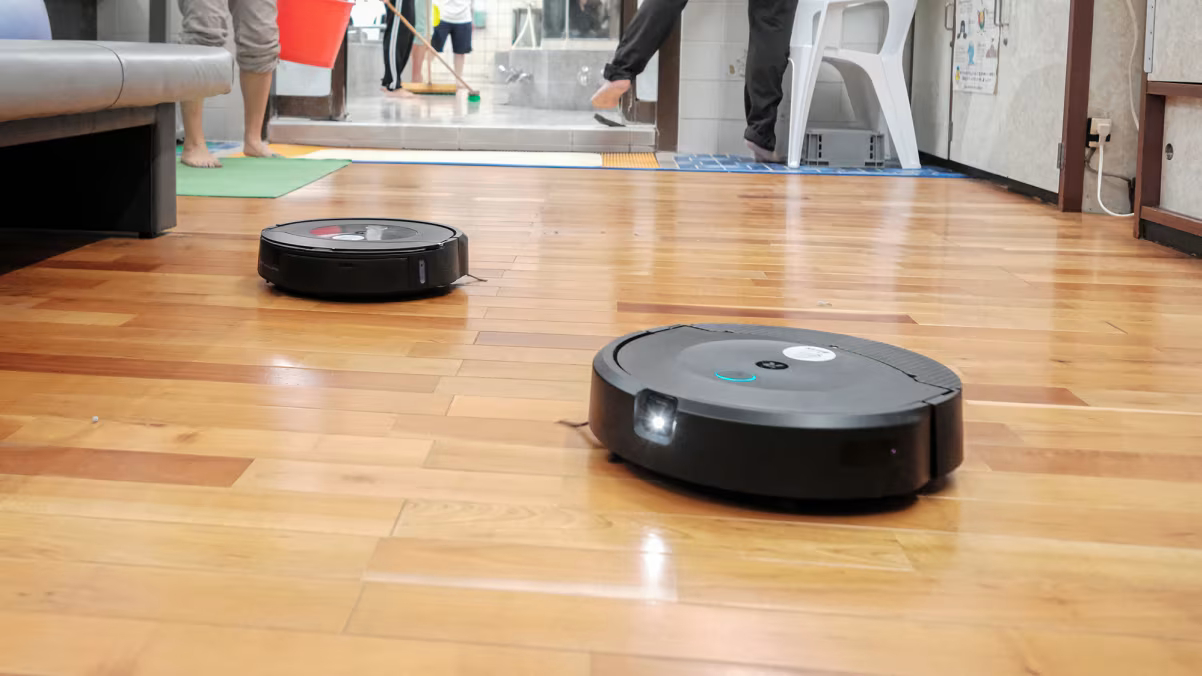
When iRobot introduced the Roomba two decades ago, it revolutionized home cleaning and captured the public’s imagination. By 2015, iRobot’s success was so substantial that it launched its own venture capital fund to invest in emerging technologies. However, recent years have been difficult for the company. Facing intense competition from lower-cost Chinese manufacturers and a failed acquisition attempt by Amazon in 2024, iRobot filed for bankruptcy protection in late 2025. Despite this, the company assures customers that Roomba devices will continue to operate seamlessly, maintaining app support and functionality. So, your trusty Roomba will keep navigating around furniture and occasionally startling your pets for the foreseeable future.
Tesla’s Ambitious Leap into Robotics and AI
Meanwhile, Tesla’s stock surged to record highs in December 2025, fueled by CEO Elon Musk’s bold declarations about the company’s transformation into a robotics and artificial intelligence powerhouse. Investors were particularly enthused by Musk’s announcement that Tesla is actively testing fully autonomous Robotaxis in Austin, Texas-an advancement from the limited, safety-driver-assisted services launched six months prior.
Beyond autonomous vehicles, Tesla’s humanoid robot, Optimus, has become a focal point of investor optimism despite its publicized missteps. A recent demonstration in Miami, dubbed “Autonomy Visualized,” went viral after Optimus accidentally knocked over water bottles and fell, mimicking a human removing a VR headset. While these incidents highlight the current limitations, Musk remains confident, predicting that Optimus will eventually represent 80% of Tesla’s value and even claiming it could eradicate poverty-though details on how remain vague.
The Reality of Home Robotics: Progress and Pitfalls
Despite the hype surrounding humanoid robots, the reality of consumer robotics remains grounded. Roomba and similar automated vacuums have become commonplace, but the vision of a humanoid assistant managing all household chores is still distant. Other products, like Amazon’s $1500 Astro-a mobile smart speaker-have seen limited success, while high-end humanoid robots such as 1X’s $20,000 Neo require remote human operation and come with strict usage restrictions around children and pets.
Expert Skepticism on Humanoid Robotics
Renowned roboticist Rodney Brooks, often hailed as a pioneer in modern robotics, expresses skepticism about the feasibility of humanoid robots achieving human-like dexterity anytime soon. He argues that replicating the intricate sensory and motor skills of human hands remains a monumental challenge. Brooks warns that current investments in bipedal humanoid robots may be chasing unrealistic fantasies, as these machines are prone to frequent falls and damage, limiting their practical utility.
In a recent blog post, Brooks emphasized that no robotic hands have demonstrated general dexterity comparable to humans, and he remains convinced that humanoid robots will not reach human-level manipulation capabilities in the foreseeable future.
Investor Sentiment and the Future Outlook
Despite expert doubts, Tesla’s stock has rebounded strongly, climbing nearly 30% in 2025, as investors continue to bet on the company’s ambitious robotics vision. The market appears willing to embrace the hype, at least for now, as long as Tesla sustains its momentum.
For many consumers and enthusiasts, the promise of a personal robotic assistant akin to the Jetsons’ Rosie remains a dream. Meanwhile, practical devices like the Roomba continue to quietly serve households worldwide. Perhaps one day, these early robots will be nostalgic relics, reminders of a brief era when technology seemed poised to transform everyday life in extraordinary ways.