
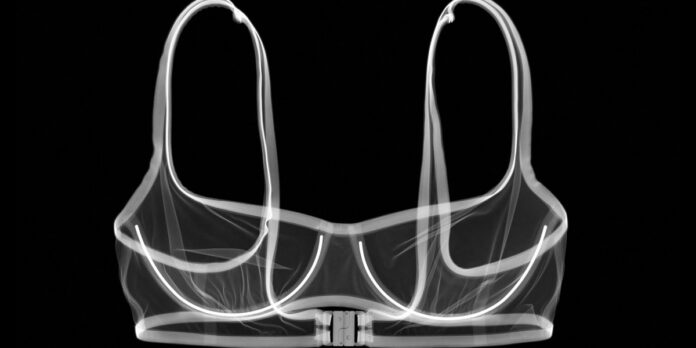
Professor Joanna Wakefield-Scurr, a leading biomechanics expert from the UK, is pioneering research to revolutionize bra design by unraveling the complex mechanics of breast movement.
Two decades ago, Joanna Wakefield-Scurr experienced persistent breast discomfort that eluded medical diagnosis. Advised to wear a supportive bra, she, as a biomechanics professor, embarked on a mission to identify scientifically validated solutions. Now heading an 18-member team at the University of Portsmouth’s Breast Health Research Group, her studies reveal that the most effective high-impact sports bras incorporate features such as underwires, padded cups, adjustable shoulder straps and underbands, along with hook-and-eye fastenings. These designs can reduce breast displacement by up to 74% compared to going braless. However, Wakefield-Scurr emphasizes that limiting movement alone may not fully address comfort and support needs.
Understanding a Unique Anatomical Challenge
Unlike most body parts supported by bone, muscle, or cartilage, breasts are soft tissue structures suspended externally without rigid support, making them a biological anomaly. This uniqueness has historically limited biomechanical research. Wakefield-Scurr’s lab was the first to demonstrate that during running, breasts move in a complex three-dimensional pattern-oscillating side-to-side, vertically, and front-to-back. Remarkably, during an hour of light jogging, breasts can bounce approximately 10,000 times, highlighting the significant mechanical stresses involved.
The Critical Role of Proper Sports Bras
Wearing an ill-fitting bra can have adverse effects: overly tight bras may restrict respiratory function, while loose bras can contribute to musculoskeletal discomfort including neck, shoulder, and back pain. A key issue identified is the lag between torso and breast movement, causing a phenomenon known as “breast slap,” which exacerbates pain and discomfort.
Research from Wakefield-Scurr’s team also indicates that poor bra support and the embarrassment caused by excessive breast movement are significant deterrents to women engaging in physical activity. Conversely, access to well-designed sports bras correlates with increased willingness to participate in running and other high-impact exercises.
Ongoing Questions and Future Directions in Bra Technology
Current bra designs typically fall into two categories: compression bras that flatten the breasts against the chest, and encapsulation bras that support each breast individually. Yet, the scientific community has yet to determine whether minimizing total breast motion, reducing movement velocity, or specifically mitigating breast slap is most critical for comfort and injury prevention. This uncertainty leaves many women balancing between the comfort of stretchier bras and the superior support of more restrictive models.
Exciting advancements are underway as Wakefield-Scurr experiments with innovative fabrics that dynamically adjust tension in response to movement. Collaborations with textile manufacturers and apparel brands aim to bring these smart materials to market, potentially transforming sports bra performance.
With the rising participation of women in high-impact sports worldwide, the demand for evidence-based bra designs is surging. Wakefield-Scurr’s lab is working tirelessly to meet this need, pushing the boundaries of breast biomechanics research.