Astrobotic Joins Forces with Voyager Technologies to Accelerate Lunar Base Development
Strategic Acquisition to Meet NASA’s Expanding Lunar Ambitions
Pittsburgh-based lunar lander manufacturer Astrobotic has agreed to be acquired by Voyager Technologies in a move designed to rapidly expand its capabilities in response to NASA’s ambitious plans for a sustainable lunar base. The acquisition, announced on June 2, involves a $162 million transaction in cash and stock, along with the assumption of $9 million in debt. Additionally, Voyager may pay up to $129 million more based on Astrobotic achieving key performance targets.
From Bootstrapped Beginnings to a Major Industry Player
Founded nearly two decades ago, Astrobotic has traditionally grown through customer contracts rather than external funding. Its portfolio includes NASA contracts for the Peregrine lunar lander, scheduled for launch in 2024, and the recently unveiled Griffin-1 lander, set to launch later this year. This acquisition marks a significant shift in the company’s growth strategy, enabling it to scale operations more aggressively.
Why Partnering with Voyager Makes Strategic Sense
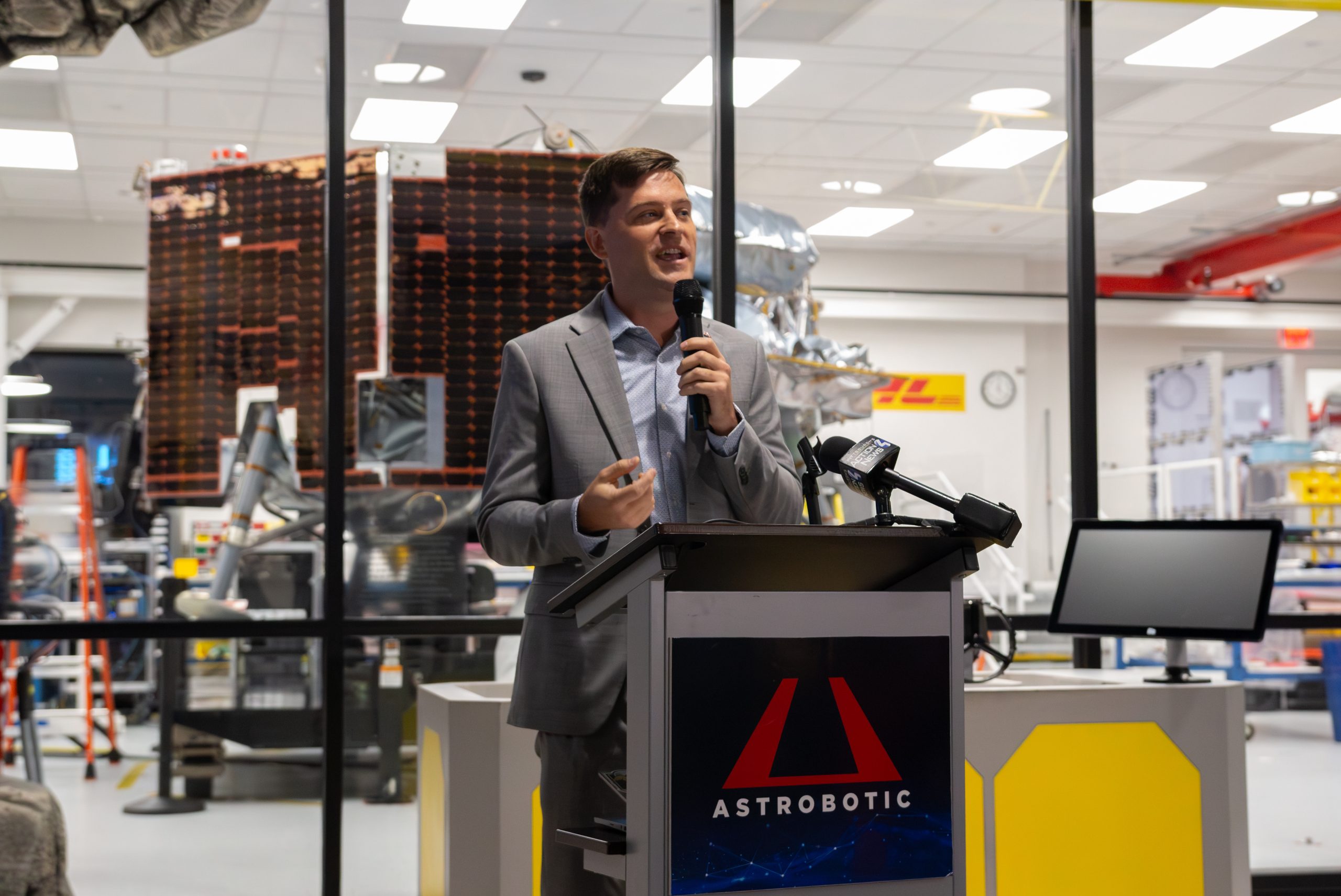
In a conversation during the Griffin-1 unveiling, Astrobotic CEO John Thornton explained that the decision to join Voyager was driven by the need for speed and scale following NASA’s announcement of its lunar base initiative at the Ignition event in March. “The lunar base program demands rapid expansion,” Thornton said. “Voyager offers the infrastructure and resources to accelerate our growth far beyond what raising capital or an IPO could achieve in the near term.”
Thornton emphasized that the traditional route of raising funds and pursuing an initial public offering could take upwards of 18 months, whereas the Voyager partnership grants immediate access to public markets upon closing, enabling swift scaling.
Voyager’s Broader Vision for Lunar Infrastructure
This acquisition is a cornerstone of Voyager’s “strategic lunar initiative,” which also includes investments in startups like Max Space, a company developing inflatable habitats for lunar bases. Matt Magaña, Voyager’s president of defense and national security, highlighted Astrobotic’s comprehensive approach to lunar infrastructure, including its advancements in power systems, as a key factor in the partnership.
“When we evaluated potential collaborators in the lunar sector, Astrobotic consistently emerged as a central player,” Magaña noted. Both executives described the acquisition discussions as a mutual recognition of a timely and strategic alliance, rather than one party initiating the talks.
Future Outlook: Pittsburgh as a Lunar Hub
Astrobotic will continue operating from its Pittsburgh headquarters, which Voyager plans to develop as the nucleus of its lunar operations. Thornton revealed plans to expand the company’s footprint in the city, marking a transformative shift from Astrobotic’s previous contract-by-contract approach to a more strategic, long-term business model.
“For 19 years, we’ve pieced together contracts to build momentum,” Thornton said. “Now, with Voyager’s backing, we can pursue a cohesive strategy aligned with NASA’s lunar ambitions.”
Meeting the Moment with Agility and Partnership
Both leaders underscored the urgency of adapting to NASA’s accelerated timeline. “If we don’t move at the pace NASA requires, we risk falling behind,” Thornton concluded. “This partnership positions us perfectly to seize the opportunities ahead.”