Canada’s agricultural landscape is traditionally analyzed through factors like land availability, climate conditions, and crop types. However, a transformative force is reshaping the sector: automation. Robotics is evolving from a niche curiosity into an essential component of Canadian farming, propelled by persistent labour shortages, escalating input expenses, environmental challenges, and the imperative for enhanced precision. This technological evolution is not isolated to a single region or farming style; it spans the vast prairie grain belts, Ontario’s dairy farms, British Columbia’s vegetable producers, and high-value greenhouse horticulture. Despite promising pilot initiatives, robust research, and public funding avenues, the integration of robotics across Canadian agriculture remains inconsistent and uneven.
Labour Dynamics Driving Automation in Agriculture
Economic pressures underpin the growing reliance on robotics. According to Agriculture and Agri-Food Canada, the crop production sector experienced a 4.0% job vacancy rate in 2024, surpassing the national average of 3.3%. Similarly, greenhouse, nursery, and floriculture sectors continue to face significant labour shortages. Projections from the Canadian Agricultural Human Resource Council estimate that by 2030, over 100,000 agricultural positions could remain unfilled, compounded by the retirement of approximately 85,300 workers-nearly 30% of the current workforce. In this context, robotics should not be viewed merely as a replacement for human labour but as a strategic tool to supplement scarce labour resources and enhance skilled oversight, particularly where repetitive manual tasks dominate.
Uneven Adoption of Agricultural Technologies Across Canada
Canadian farms are generally more technologically advanced than those in many peer nations. The 2021 Census of Agriculture by Statistics Canada revealed that over 50% of farms employed at least one form of modern technology, with larger operations leading this modernization trend. Notably, the use of robotic milking systems more than doubled between census periods, signaling a shift from experimental use to practical application in certain subsectors. Nevertheless, the Canadian Agri-Food Policy Institute highlights that digital agriculture adoption remains fragmented, with smaller farms often excluded from productivity and sustainability gains due to cost barriers.
Prairie Farms: Automation Enhancing Operational Efficiency
On the Prairies, automation is increasingly integrated into traditional machinery. Farmers in Saskatchewan, for example, utilize self-steering combines, autonomous grain carts, automated tillage equipment, and machine-guided crop monitoring systems. This approach redefines the farmer’s role-from manual operator to data manager-overseeing multiple information streams and supervising automated equipment. Rather than replacing human presence, robotics optimizes large-scale operations by improving route efficiency, reducing fuel consumption, and enhancing precision across extensive farmland.
Advanced Robotics in Specialty Crop Production
In sectors with higher labour intensity and complex harvesting requirements, such as horticulture and specialty crops, robotics offers compelling economic benefits. British Columbia’s On-Farm Technology Adoption Program, supported by federal and provincial funds, has facilitated the deployment of robotic weeders, digital climate controls, and automated fruit-picking platforms. For instance, machine-learning-enabled robotic weeders can differentiate between crops and weeds, selectively removing unwanted plants to reduce both labour needs and herbicide application. Another orchard-based robotic system enhances worker safety and fruit handling efficiency, demonstrating how semi-automated solutions are transitioning from experimental stages to practical farm use.
Greenhouse Innovation: AI and Robotics in Controlled Environments
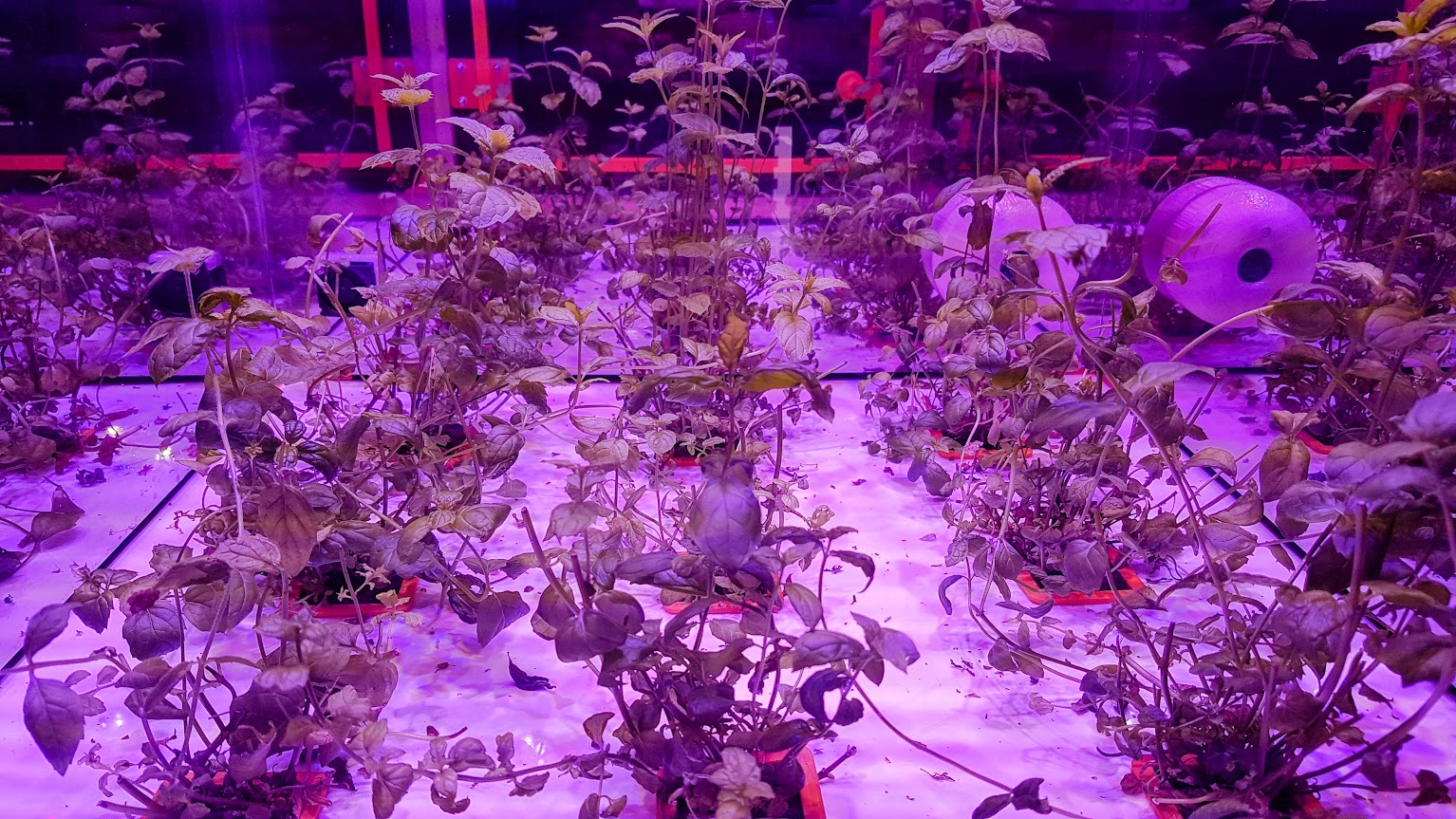
Greenhouse agriculture stands out as a critical arena for next-generation robotics in Canada. The University of Guelph’s GIGAS robot exemplifies this progress, employing AI-driven vision systems and specialized grippers to identify and harvest tomatoes delicately. This technology addresses one of the most challenging aspects of agricultural automation: managing variable biological materials without causing damage. Beyond harvesting, the platform shows promise in early disease detection, enabling timely interventions and reducing chemical treatments. Ontario’s greenhouse sector, characterized by high labour demands, continuous operation, and valuable crops, is particularly poised to benefit from such innovations, though commercial affordability and serviceability remain hurdles.
Robotics Transforming Livestock Management
In livestock farming, robotics adoption is more mature and quietly revolutionizing operations. Robotic milking systems have shifted dairy management from scheduled batch milking to continuous, data-driven processes at the individual animal level. The doubling of robotic milking adoption, as reported by Statistics Canada, reflects producers’ confidence in the technology’s return on investment. Alberta dairy farms transitioning from rotary parlours to robotic systems report improvements not only in labour flexibility but also in detailed animal health monitoring, including milk yield tracking and early detection of health issues. This integration of robotics with biosensing and analytics fundamentally alters farm decision-making, moving beyond task automation to strategic herd management.
Challenges and Barriers to Widespread Robotics Integration
Despite clear benefits, Canada’s agricultural robotics future is not assured. The Canadian Agri-Food Policy Institute’s 2025 report underscores that digital agriculture has yet to receive cohesive national prioritization. Key obstacles include inadequate rural internet connectivity, ambiguous return on investment, and concerns over data privacy and stewardship. Research focused on Ontario farms further identifies high initial costs, scepticism, uncertainty, and the complexity of adapting technologies to diverse farm environments as significant barriers. Practical challenges such as operating in muddy conditions, variable lighting, heterogeneous crops, narrow intervention windows, and limited technical support complicate adoption. Success depends heavily on after-sales service, system interoperability, and comprehensive user training, not just on technological innovation.
Government Initiatives and the Path Forward
Public policy is beginning to address these challenges, though current efforts fall short of the scale needed. The Canadian Agri-Food Automation and Intelligence Network (CAAIN) continues to support collaborative projects in automation, robotics, and data-driven agriculture. In May 2026, Agriculture and Agri-Food Canada committed up to C$6.25 million to CAAIN, following a C$9 million agtech competition earlier that year. This funding targets the critical translational phase between research and market-ready solutions, which often determines whether innovations reach farms. However, Canada still requires a comprehensive robotics strategy that aligns incentives, workforce development, demonstration sites, connectivity improvements, and procurement policies to avoid fragmented adoption concentrated among large, well-funded operations.
Labour Implications: Transitioning Skills for the Future
The impact of robotics on agricultural labour is nuanced. While concerns about job displacement exist, Canadian studies suggest a more complex reality. Research from Ontario indicates that AgTech adoption is generating demand for new skill sets, including programming, data analytics, and equipment maintenance, alongside traditional farming expertise. The Future Skills Centre projects that automation will reshape approximately one-third of agricultural jobs over the next decade, emphasizing role evolution rather than elimination. Future farm workers will likely need proficiency in diagnostics and data management in addition to hands-on machinery and livestock care. Thus, robotics not only boosts productivity but also elevates the skill requirements and training needs within the sector.
Conclusion: Robotics as a Strategic Response to Agricultural Challenges
Robotics in Canadian agriculture is significant not for its futuristic allure but for its practical solutions to current operational constraints. It offers the potential to reduce repetitive labour, enhance precision, improve biosecurity, enable earlier interventions, lower chemical inputs, and facilitate management of year-round or large-scale farming systems. However, robotics is not a simple plug-and-play fix. The sector must overcome connectivity gaps, secure translational funding, develop credible ROI models for mid-sized farms, build robust service networks, and establish a clear national policy commitment to digital and robotic agriculture. Canada possesses the research expertise and agricultural necessity; the critical question remains whether it can marshal the implementation discipline to transform scattered innovations into a cohesive productivity platform.