
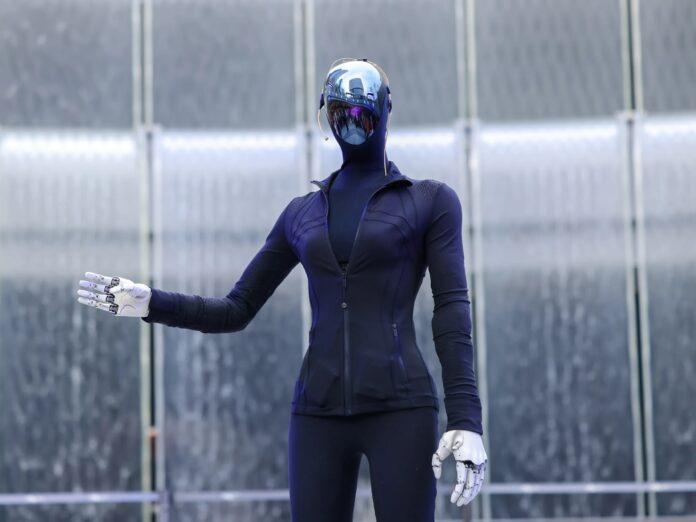

At its initial unveiling, the humanoid robot Iron, developed by Chinese automaker XPeng Motors, experienced an unplanned tumble. While the incident sparked amusement across social media, XPeng’s CEO emphasized that such setbacks are integral to the robot’s developmental journey.
Progress and Challenges in Humanoid Robotics
Although humanoid robots have yet to reach widespread commercial availability, recent technological strides highlight significant advancements. For example, Unitree Robotics’ G1 robot recently demonstrated remarkable precision by imprinting a detailed Olympic emblem onto fresh snow. Meanwhile, Boston Dynamics’ Atlas robot continues to impress with its acrobatic feats, including backflips and agile cartwheels. Despite these achievements, real-world demonstrations reveal that robotic systems still face unpredictable hurdles.
Iron Robot’s Unsteady Debut
During its first public showcase, XPeng’s Iron robot, designed with human-like proportions, approached the stage with measured, somewhat stiff steps. After positioning itself, it raised one arm but suddenly lost balance and fell. The exact reason for the fall has not been disclosed. The incident was widely circulated on social media platforms such as X (formerly Twitter), with robotics enthusiasts sharing the clip and discussing the event.
CEO’s Perspective and Community Reactions
He Xiaopeng, CEO of XPeng Motors, addressed the incident on the Chinese social media site Weibo, framing the fall as a natural and expected part of the robot’s learning curve. He likened the experience to how children learn to walk: “They stumble, rise again, and eventually run confidently.” The video also gained traction on Reddit, where users responded with lighthearted humor. Similar mishaps have occurred with other robots, such as Unitree’s G1 accidentally kicking its handler, underscoring the ongoing challenges in humanoid robotics development.
Looking Ahead: The Future of Humanoid Robots
As humanoid robots continue to evolve, incidents like Iron’s fall serve as reminders of the complexity involved in replicating human movement and balance. Industry experts predict that with ongoing improvements in AI, sensor technology, and mechanical design, robots will soon achieve greater stability and functionality. According to recent market analyses, the global humanoid robot market is expected to grow at a compound annual growth rate (CAGR) of over 30% through 2030, driven by applications in healthcare, manufacturing, and service industries.
For instance, companies like Agility Robotics are developing robots capable of navigating complex environments, while SoftBank’s Pepper robot is already assisting customers in retail settings. These examples illustrate the broadening scope and potential impact of humanoid robotics in everyday life.