Choosing the Perfect Binoculars: A Comprehensive Guide for Enthusiasts
Whether you’re trying to distinguish a shy warbler from a chickadee, catch the thrilling moment of a game-winning catch, or identify a distant deer in the woods, binoculars can transform your viewing experience. These optical tools bring distant scenes into sharp focus, enhancing outdoor adventures from birdwatching in your backyard to stargazing on clear nights or enjoying sports events from the stands.
For those interested in birding, our detailed guide on essential birdwatching gear offers valuable insights. Additionally, explore our curated lists featuring the best gifts for bird lovers, innovative smart bird feeders, and high-performance Merino wool apparel to elevate your outdoor excursions.
Updated November 2025: We’ve included Noc’s Long View Spotting Scope and refreshed all pricing and purchase links to ensure you have the latest information.
Understanding Binocular Specifications: What Do the Numbers Mean?
Binoculars are typically described by two numbers, such as 8×42. Here’s a breakdown of what these figures represent:
- Magnification (e.g., 8x): This indicates how many times closer an object appears compared to the naked eye. For beginners, magnifications of 6x to 8x are ideal-they offer a clear view without making it difficult to track moving subjects.
- Objective Lens Diameter (e.g., 42mm): The size of the front lenses affects how much light enters the binoculars. Larger lenses gather more light, resulting in brighter and sharper images, especially in low-light conditions. However, bigger lenses add weight, so balancing size and comfort is key. Lenses between 26mm and 50mm are common, with 8×42 often regarded as the optimal combination for versatility.
Key Features to Know When Selecting Binoculars
- Objective Lens: Positioned at the front, these lenses determine the brightness and clarity of the image. Larger lenses enhance visibility in dim environments.
- Field of View (FOV): This measures the width of the visible area at a distance, usually expressed in feet at 1,000 yards or degrees. A wider FOV allows you to see more of the scene, which is especially helpful for tracking wildlife or fast-moving objects. For a practical understanding of FOV, interactive tools are available online to visualize this feature.
- Eye Relief: This is the optimal distance between your eyes and the eyepiece to see the full image. Most binoculars offer between 10mm and 20mm of eye relief. Proper eye relief is crucial for comfortable viewing, particularly for eyeglass wearers, as insufficient eye relief can cause vignetting or a reduced field of view.
- Prism Type: Binoculars use either roof prisms or Porro prisms to direct light. Roof prism designs align the lenses and eyepieces in a straight line, resulting in a compact and lightweight form factor. Porro prism binoculars have offset lenses, often providing better depth perception and a three-dimensional image but tend to be bulkier. High-end models sometimes favor Porro prisms for their superior image quality, especially in hunting and military optics.
Price and Quality: What to Expect
Binoculars range widely in price-from affordable models under $100 to premium optics costing several thousand dollars. The cost reflects the quality of glass, lens coatings, and precision engineering. Most binoculars in this guide utilize BaK-4 glass prisms, a standard from German manufacturer Schott AG, but quality varies within this category.
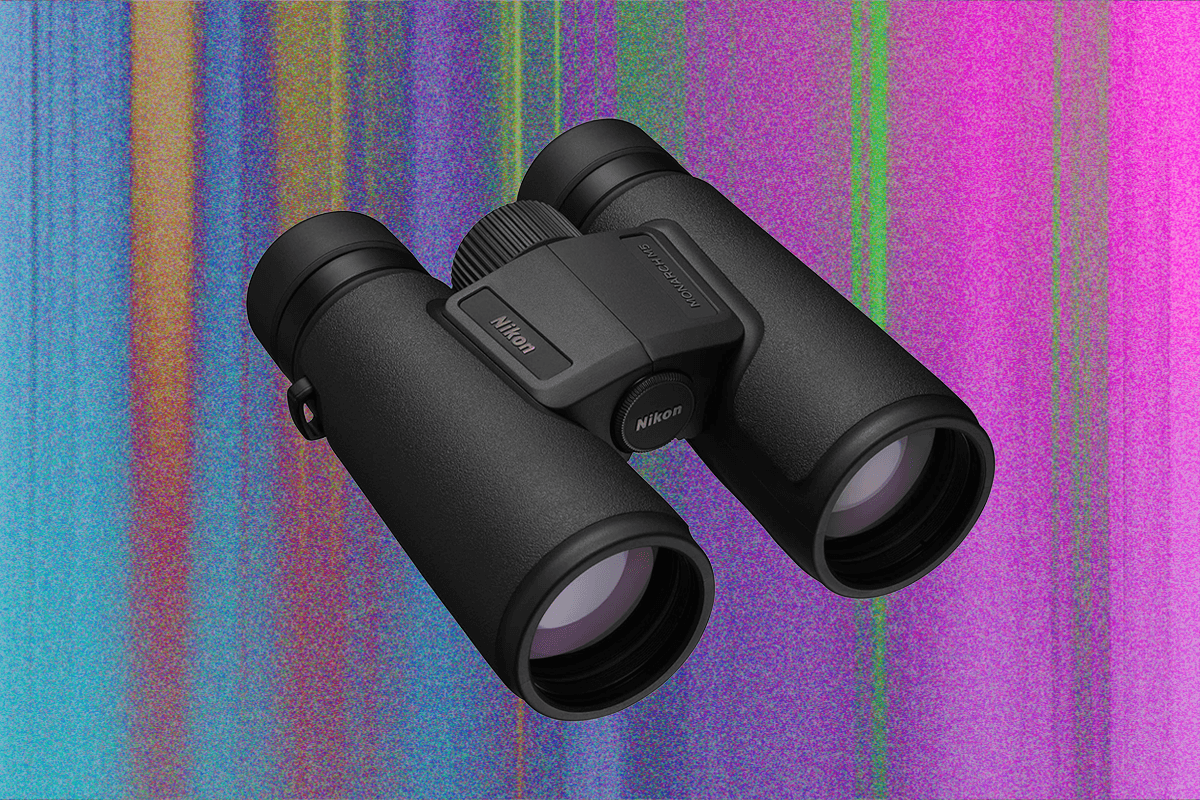
While high-end brands like Leica and Swarovski offer exceptional clarity and brightness, mid-range options such as the Nikon Monarch M5 provide excellent performance for their price. If possible, testing binoculars in person is invaluable, as personal preferences and eyesight differences influence the best choice.
For those unable to visit a store, our recommended models offer a balance of quality and affordability, suitable for most users without breaking the bank.
Evaluating Binoculars: What Matters Most
When assessing binoculars, several factors come into play:
- Optical Clarity and Sharpness: The crispness of the image is paramount; without sharp focus, other features lose significance.
- Brightness: Influenced by lens size and coatings, brightness affects visibility in low-light conditions like dawn or dusk.
- Color Accuracy: True-to-life color reproduction enhances the viewing experience.
- Eye Relief and Comfort: Comfortable viewing over extended periods is essential, especially for eyeglass wearers.
- Weight and Durability: Lightweight binoculars reduce fatigue during long hikes, while robust construction ensures longevity.
- Price: Balancing budget with desired features helps narrow down the best options.
Testing binoculars in diverse environments-from dense forests to bright deserts-provides a realistic sense of their performance. Personal experience with various models, including Celestron’s 10×42 Regal and Nikon’s 8×42 Monarchs, informs these recommendations.
Top Pick: Nikon Monarch M5 8×42


The Nikon Monarch M5 8×42 binoculars offer an excellent blend of magnification and image quality. Featuring roof prisms with phase correction coatings and Extra Low-Dispersion (ED) glass, these binoculars minimize chromatic aberrations-those distracting color fringes around bright objects. Their multi-coated lenses deliver bright, sharp views with minimal distortion, making them ideal for birdwatching and general outdoor use.
With large 21mm eyepieces recessed into the eye cups, the Monarch M5 provides a nearly full field of view even for those wearing glasses. The included neck strap is notably lightweight and comfortable, allowing for hours of wear without strain.
Having been my first serious binoculars, the Monarch M5 remains a favorite for beginners and seasoned birders alike. Its versatility and value make it one of the most popular choices in the field today.
Additional Recommended 8×42 Binoculars
Celestron Nature DX ED 8×42

For those on a budget, the Celestron Nature DX ED 8×42 binoculars provide solid performance. While they exhibit more purple fringing and reduced sharpness at the edges compared to higher-end models, their price point makes them a compelling option for casual birders and outdoor enthusiasts.
Pentax 8×43 ZD ED Binoculars

Stepping up from the Nikon Monarchs, the Pentax 8×43 ZD ED binoculars offer enhanced sharpness, clarity, and brightness. Their slightly cooler color tone provides a different viewing experience that some users may prefer. These binoculars are well-suited for serious birdwatchers seeking improved optical performance.
Zeiss Conquest HDX 8×42

Compact and powerful, the Zeiss Conquest HDX 8×42 binoculars excel in low-light conditions such as dawn and dusk. While I personally favor the Zeiss SFL 8×50 for certain applications, the HDX model upholds the brand’s reputation for delivering bright, crisp images in a lightweight package.
Top-Tier Binoculars for Enthusiasts
Zeiss 8×50 SFL: Exceptional Optics in a Lightweight Design
Among premium binoculars, Leica and Swarovski often lead the market with their superior optics. However, the Zeiss SFL 8×50 series deserves special recognition for combining high-end optical performance with a surprisingly lightweight frame. Despite having a larger 50mm objective lens compared to the typical 42mm, these binoculars feel as compact and manageable as an 8×42 model, making them ideal for extended use without neck strain.
The larger lens diameter enhances brightness, especially beneficial during dawn or dusk birdwatching sessions. Zeiss optics tend to favor a cooler, bluish tint, delivering crisp and vivid images. While minor chromatic aberrations like color fringing can occasionally appear under extreme conditions, everyday use reveals a consistently sharp and distortion-free view across the entire field.
Zeiss’s SmartFocus system offers a highly responsive focus wheel, requiring minimal adjustment to achieve perfect clarity. Only Swarovski’s focus mechanism surpasses it in smoothness and precision. Overall, the Zeiss SFL 8×50 binoculars represent an excellent value proposition in the luxury optics segment, blending performance and portability.
Leica 8×42 Noctivid: Brightness and Sharpness with Some Trade-offs
The Leica 8×42 Noctivid binoculars are renowned for their outstanding brightness and razor-sharp imagery, making them a favorite among serious observers. Their 19mm eye relief is particularly advantageous for eyeglass wearers, ensuring comfortable viewing without compromising the field of vision.
However, these binoculars weigh approximately 860 grams (30.3 ounces), which might be cumbersome for prolonged handheld use. Additionally, while the lenses excel in brightness and clarity, the contrast levels are somewhat moderate compared to competitors. Despite these minor drawbacks, the Noctivid remains a top choice for those prioritizing optical excellence.
High-Magnification Binoculars for Detailed Observation
Vortex Viper HD 10×42: Balancing Power and Usability
Increasing magnification from 8x to 10x significantly enlarges the viewed subject but narrows the field of view, which can make tracking fast-moving or small targets more challenging. This is especially noticeable when observing elusive birds hidden within dense foliage. Additionally, higher magnification amplifies hand tremors, potentially affecting image stability.
For birdwatchers who prefer detailed views without carrying heavy equipment all day, 10×42 binoculars strike a practical balance. The Vortex Viper HD 10×42 stands out in this category, offering sharp, clear images with accurate color reproduction. While colors may appear slightly less saturated compared to Nikon models, the difference is subtle and generally unnoticeable in typical use.
The focus wheel operates smoothly, though some users might desire a quicker response. Edge blurring is present but minimal, reflecting the binoculars’ competitive price point. It’s worth noting that older Viper models sold at discounted prices may not match the optical quality of the current versions, so buyers should verify the production year before purchasing.
Additional Noteworthy 10×42 Binoculars
Among other commendable options, the Maven B1.2 10×42 ED binoculars rank highly for their exceptional clarity and edge-to-edge sharpness. These binoculars deliver crisp, distortion-free images that outperform expectations for their price range, making them a favorite among both amateur and experienced birders.
Compact and Bright: Zeiss 8×42 Conquest HDX
For those seeking a compact yet powerful binocular, the Zeiss 8×42 Conquest HDX offers bright, vivid images even in low-light conditions such as dawn or dusk. While some users may prefer the larger 8×50 SFL model for enhanced brightness, the HDX series maintains Zeiss’s reputation for quality optics in a more portable form factor.
Choosing the Right Binoculars: Key Considerations
- Objective Lens Size: Larger lenses (e.g., 50mm) gather more light, improving brightness in dim environments but often add weight.
- Magnification: Higher magnification (10x or above) enlarges distant objects but narrows the field of view and can amplify hand shake.
- Weight and Ergonomics: Lightweight models are preferable for all-day use, while heavier binoculars may offer superior optics but cause fatigue.
- Eye Relief: Longer eye relief benefits eyeglass wearers by allowing comfortable viewing without losing the full field of vision.
- Focus Mechanism: Smooth and responsive focus wheels enhance user experience, especially when tracking moving subjects.
Conclusion
Whether you prioritize ultra-bright optics, high magnification, or portability, the current market offers binoculars tailored to diverse needs. The Zeiss SFL 8×50 stands out for combining premium optical quality with manageable weight, while Leica’s Noctivid excels in brightness and sharpness for eyeglass users. For those seeking detailed views with manageable size, the Vortex Viper HD 10×42 and Maven B1.2 10×42 ED provide excellent clarity and value. Selecting the right binoculars ultimately depends on your specific use case, balancing optical performance with comfort and handling.
Top Binoculars for Exceptional Viewing in 2024
Maven B1.2 10×42 ED Binoculars
The Maven B1.2 10×42 ED binoculars stand out for their remarkable clarity and sharpness, delivering distortion-free images that surpass expectations for their price range. These binoculars are an excellent choice for enthusiasts seeking premium optical performance without compromise.

Nikon Monarch M5 10×42 Binoculars
Offering a higher magnification than the popular 8×42 models, the Nikon Monarch M5 10×42 binoculars maintain the same excellent optical quality. These are ideal for those who want enhanced zoom capabilities without breaking the bank, making them a smart pick for budget-conscious users.

Celestron 10×42 Regal ED Binoculars
The Celestron Regal ED binoculars are a hidden gem in the market, offering a wide 6.5-degree field of view, crisp and vivid images, and minimal chromatic aberration. Despite limited online reviews, these binoculars deliver exceptional value and optical excellence at a competitive price point.

Swarovski Optik 10×42 EL Binoculars
Swarovski Optik is synonymous with top-tier optics, and the 10×42 EL binoculars uphold this reputation with bright, razor-sharp images and an impressively flat field of view. While the eyecups may not suit everyone, trying them firsthand is recommended. For those who find the fit comfortable, these binoculars represent some of the finest available on the market.

Optimal Mid-Size Binoculars for Portability and Performance
For those who prefer 8x magnification but want a lighter, more compact option than the traditional 8×42 binoculars, models like 8×32, 7×32, or 8×30 offer a balanced compromise. These sizes provide the same magnification with a slightly narrower field of view, making them perfect for hikers and travelers who prioritize portability without sacrificing image quality.
Celestron TrailSeeker ED 8×32 Binoculars
The Celestron TrailSeeker ED 8×32 binoculars are an excellent choice for outdoor enthusiasts seeking a lightweight yet powerful optic. They combine exceptional image sharpness with a compact design, ideal for extended hikes or travel where every ounce counts.
-SOURCE-Scott-Gilbertson.jpg)
Choosing the Right Binoculars for Your Needs
When selecting binoculars, consider your primary use-whether it’s birdwatching, hiking, or sporting events-as well as your budget and preference for size and weight. High-end models like Swarovski Optik offer unparalleled optical quality for serious users, while brands like Maven and Nikon provide excellent performance at more accessible prices. For those prioritizing portability, mid-size binoculars such as the Celestron TrailSeeker ED 8×32 strike a perfect balance.
Current Market Insights
As of 2024, the binocular market continues to evolve with advancements in lens coatings and ergonomic designs. Many models now feature waterproof and fog-proof capabilities, essential for outdoor use in varying weather conditions. Additionally, the integration of ED (Extra-low Dispersion) glass has become standard in mid to high-end binoculars, significantly reducing chromatic aberration and enhancing image clarity.
Whether you are a casual observer or a dedicated enthusiast, investing in quality binoculars tailored to your specific needs will greatly enhance your viewing experience.
Top Binoculars for Outdoor Enthusiasts: A Comprehensive Guide
Exceptional Mid-Range Binoculars: Celestron TrailSeeker 8×32
When it comes to balancing image clarity, durability, and affordability, the Celestron TrailSeeker 8×32 binoculars stand out as a top choice for hikers and nature lovers. Priced around $300, these binoculars deliver optical performance that rivals models costing twice as much. Featuring BaK-4 prisms with phase and dielectric coatings-an uncommon feature in this price range-they provide crisp, vibrant views with minimal chromatic aberration thanks to their ED glass elements. This technology effectively reduces color fringing and distortion, even under bright sunlight or glare.
Despite their compact 8×32 configuration, the TrailSeeker offers a field of view comparable to larger 10×42 binoculars, making them versatile for various outdoor activities. Their lightweight design ensures they remain comfortable during extended use, whether hiking, backpacking, or casual neighborhood exploration. Protective lens caps safeguard the objectives, and the eyepieces have remained scratch-free despite lacking covers, underscoring their robust build quality.
Premium Wide-Field Option: Pentax AD 7×32 ED
The Pentax AD 7×32 ED binoculars provide an expansive 7.8-degree field of view, ideal for birdwatchers and wildlife observers who prioritize edge-to-edge sharpness. Their ED glass significantly minimizes chromatic aberrations, delivering clear and vibrant images across most lighting conditions. While these binoculars are slightly heavier and offer lower magnification compared to the Celestron TrailSeeker, their superior sharpness at the periphery makes them a favorite among enthusiasts seeking detailed observation.
Retailing near $400, the Pentax AD 7×32 ED balances optical excellence with a manageable size, making it a reliable companion for extended outdoor adventures.
Compact and Lightweight Excellence: Nocs Field Issue 8×32
For those who value portability without sacrificing image quality, the Nocs Field Issue 8×32 binoculars are an excellent pick. Weighing just under 14 ounces, these binoculars are both waterproof and fogproof, ensuring dependable performance in diverse weather conditions. Their ergonomic design includes comfortable eyecups and a large, easy-to-use focus wheel, enhancing user experience during prolonged use.
Available in multiple colors, the Field Issue binoculars are perfect for travelers and casual observers who want a sharp, reliable view in a compact package. Priced around $180, they offer great value for everyday use.
Best Compact Binoculars for Everyday Use
Compact binoculars often involve trade-offs in image quality to achieve smaller size and lighter weight. However, for casual users or those needing a portable option, several models stand out:
Maven C.2 7×28 Binoculars
The Maven C.2 series redefines compact binoculars by delivering bright, sharp images in a lightweight frame. Measuring just 4.5 inches and weighing 12 ounces, these binoculars are barely noticeable when worn around the neck. Although their 28mm objective lenses offer a narrower field of view compared to standard 42mm models, their portability makes them ideal for travel, sports events, and general wildlife viewing. Prices hover around $250, making them accessible for many users.
Zeiss Terra ED 8×25 Binoculars
Zeiss Terra ED 8×25 binoculars are pocket-sized marvels, weighing only 10.9 ounces. They provide sharp, clear images with 8x magnification and come with a rugged, waterproof case. Their foldable design allows easy storage in pockets or small bags. While they are more expensive than many 8×42 models, their compactness and optical quality justify the investment for users prioritizing portability. Current market prices are approximately $400, with occasional discounts available.
Nocs Standard Issue 8×25 Binoculars
Designed for casual use, the Nocs Standard Issue 8×25 binoculars are compact and lightweight, making them suitable for events like sports games or concerts. While their image quality is not as refined as higher-end models, they offer reliable performance in a small package. These binoculars are waterproof and fogproof, enhancing their durability for everyday adventures.
Choosing the Right Binoculars for Your Needs
When selecting binoculars, consider your primary activities and preferences. For birdwatchers and hunters, models with objective lenses of 32mm or larger are recommended to ensure sufficient light gathering and image clarity. Compact binoculars excel in portability but may compromise on field of view and brightness.
Advancements in optical coatings and ED glass technology have made mid-range binoculars more capable than ever, offering excellent performance without the premium price tag. Whether you prioritize lightweight design, wide field of view, or superior edge-to-edge sharpness, there is a binocular model tailored to your outdoor pursuits.
Summary of Recommended Binoculars
- Celestron TrailSeeker 8×32: Best value for durability and image quality around $300.
- Pentax AD 7×32 ED: Wide field of view and excellent sharpness, priced near $400.
- Nocs Field Issue 8×32: Lightweight, waterproof, and affordable at $180.
- Maven C.2 7×28: Compact and bright, ideal for travel, around $250.
- Zeiss Terra ED 8×25: Premium pocket binoculars with sharp optics, about $400.
- Nocs Standard Issue 8×25: Budget-friendly, compact option for casual use.
By understanding the strengths and limitations of each model, you can confidently select binoculars that enhance your outdoor experiences, whether hiking, birdwatching, or attending events.
Compact and Durable Binoculars for Young Explorers
Nocs Standard Issue 8×25 Binoculars
Designed with portability and resilience in mind, the Nocs Standard Issue 8×25 binoculars are an excellent choice for older children and casual users seeking a lightweight, waterproof option. Weighing just under 12 ounces and featuring an IPX7 waterproof rating, these binoculars withstand rough handling and outdoor adventures with ease. Their rubberized exterior ensures a secure grip, making them ideal for active youngsters who might accidentally bump them against rocks or tree branches.
While not the top choice for professional birdwatchers or hunters due to moderate image clarity, these binoculars deliver solid performance for general observation and outdoor activities. Their compact size fits comfortably in a backpack or around the neck, encouraging spontaneous use during hikes or sports events.
Price-wise, they are positioned around $95 to $100, available through major retailers, offering a balance between quality and affordability for families.
Affordable and Lightweight: Bushnell Powerview 8×21 Binoculars
For those seeking an economical yet reliable pair of binoculars, the Bushnell Powerview 8×21 stands out as a practical option. Measuring approximately 4 inches in length and weighing a mere 7.2 ounces, these binoculars are exceptionally compact and easy to carry. Their aluminum frame provides durability that surpasses many plastic-bodied competitors in the same price range.
Included with the binoculars are a basic carrying case and neck strap, though lens caps are not provided. The eyecups can be folded down to accommodate eyeglass wearers, albeit with some effort. Users can fine-tune focus and diopter settings to match their vision, ensuring clear daytime viewing.
While tracking fast-moving subjects like birds in flight may be challenging, these binoculars excel at observing stationary wildlife and celestial objects such as the moon. Priced around $30, they serve as an excellent introductory pair for children or as a convenient addition to everyday gear.
Binoculars Tailored for Stargazing Enthusiasts
Celestron Skymaster 15×70 Binoculars
Although telescopes are traditionally associated with astronomy, high-powered binoculars like the Celestron Skymaster 15×70 offer a versatile alternative for stargazers. Featuring a Porro prism design, these binoculars provide 15x magnification with large 70mm objective lenses, delivering bright and detailed views of the moon, star clusters, and nebulae.
Due to their substantial size and weight, these binoculars are best used with a tripod, which is not included but can be easily attached via the supplied adapter. The wide eye relief makes them comfortable for eyeglass users, and the large focusing knob allows for smooth adjustments.
Some chromatic aberration may be noticeable around bright celestial objects, but this is a minor trade-off considering the price point, which often ranges from $90 to $130. Additionally, these binoculars double as effective spotting scopes for observing stationary birds or waterfowl, making them a multifunctional tool for nature lovers.
Image Stabilization: Enhancing Clarity in Motion
Image-stabilized binoculars employ technology similar to that found in action cameras, reducing the shakiness caused by hand movements. This feature is particularly beneficial for users who require steady views during activities like boating, sports events, or wildlife observation from unstable platforms.
Among the notable models, the Canon 8×20 Image Stabilization Binoculars have garnered attention for their compact design and effective stabilization capabilities. These binoculars help maintain a clear and steady image, even when handheld for extended periods, enhancing the overall viewing experience.
Exploring the Advantages of Image-Stabilized Binoculars
Image-stabilized binoculars have traditionally been associated with high price tags, but Canon has introduced several affordable options that deliver impressive performance. These binoculars are user-friendly, featuring a simple top-mounted button that activates five minutes of image stabilization, which can be turned off earlier if desired. The technology actively senses hand movements and corrects the image in real time, providing a steady viewing experience.
The Canon 8×20 IS model stands out as the most compact and lightweight option, weighing just 15 ounces including the battery. Its design allows it to fit comfortably in a large pocket, making it highly portable. For those seeking higher magnification, the Canon 10×20 IS offers both 8x and 10x zoom capabilities, suitable for observing wildlife or sports events. Although the 6.6-degree field of view is somewhat narrow, it remains adequate for most outdoor activities.
Why Stabilization Matters
Stabilization technology transforms the viewing experience by eliminating the subtle shakes that often go unnoticed until corrected. Activating the stabilization reveals a crisp, clear image that feels as stable as if mounted on a tripod. This feature is particularly beneficial for birdwatchers, hikers, and nature enthusiasts who appreciate detailed, steady views. Additionally, these binoculars excel in low-light conditions, such as moon-gazing, where the steady image quality surpasses many optically superior but unstabilized models.
Top Image-Stabilized Binoculars for Specialized Use
- Fujinon 14×40 Techno-Stabi Image-Stabilized Binoculars – $1,499: Designed with boaters in mind, these binoculars offer industry-leading stabilization with a ±6-degree correction range and minimal image lag. They boast an IPX7 waterproof rating and the ability to float, making them ideal for use on unstable watercraft such as stand-up paddleboards. Their superior stabilization enables clear birdwatching from shorelines even in challenging conditions, though they come at a premium price.
Spotting Scopes: A Closer Look at Distant Details
While binoculars provide ease of use and portability, spotting scopes offer enhanced magnification for detailed observation of distant subjects. The Pentax PF-85EDA spotting scope is a notable midrange choice, featuring an 85mm objective lens that delivers bright, sharp images with minimal chromatic aberration. It is compatible with a variety of eyepieces, including the 8-24mm astronomical eyepiece tested, as well as most XF and XW series eyepieces.
Though the PF-85EDA is relatively bulky and heavy compared to lightweight scopes, it remains compact for its class and offers excellent optical performance at a reasonable price point. This makes it a compelling option for enthusiasts who want quality without the $3,000+ price tag of high-end spotting scopes.
Best Budget Spotting Scope Option
For those seeking an affordable yet capable spotting scope, the Nocs Long View Spotting Scope provides a solid balance of performance and value. It is well-suited for casual birdwatching and nature observation, offering clear optics and a durable build without breaking the bank.
Introducing the Nocs Long View Spotting Scope: Affordable Precision Optics
Nocs has established a reputation for delivering premium optical devices without the premium price tag, and their Long View Spotting Scope continues this tradition. Crafted with durability in mind, this scope features a robust build complemented by a textured rubberized exterior, providing both grip and protection. Designed to withstand the elements, it boasts an IPX7 waterproof and dustproof rating, ensuring reliable performance in diverse outdoor conditions.
Optical Performance and Magnification
The Long View offers a versatile magnification range from 20x to 60x, paired with a substantial 85mm objective lens that delivers bright and sharp visuals. While it may not rival the highest-end spotting scopes on the market, its optical clarity is impressive for its price category, making it an excellent choice for birdwatchers, wildlife enthusiasts, and outdoor adventurers seeking quality imagery without overspending.
Focus Mechanism and Handling
This scope employs a dual-focus system: initial zoom adjustment is controlled via a focus ring near the eyepiece, followed by fine-tuning with a secondary focus knob on the barrel. This setup allows for precise tracking and locking onto moving subjects, such as birds in flight. However, due to its weight-approximately 3 pounds and 13.8 ounces-and length exceeding 16 inches, using a tripod is highly recommended for steady viewing and comfortable handling during extended observation sessions.
Field Use and Practicality
Users will appreciate the included carrying case, which enhances portability and protects the scope during transport. Unlike high-end scopes that can cost upwards of $2,000 and cause concern when used in rugged environments, the Long View’s moderate price point and rugged rubber coating reduce anxiety about potential damage. This makes it a practical companion for outdoor excursions where durability and affordability are key.
Additional Considerations
While the scope performs admirably in most lighting conditions, some users may notice minor chromatic aberration, such as purple fringing, in challenging light scenarios. This is a common optical artifact in many scopes and does not significantly detract from the overall viewing experience.
Where to Purchase
The Nocs Long View Spotting Scope is available for around $600 and can be purchased through major retailers such as Amazon and REI, offering convenient options for buyers seeking reliable optics at a reasonable cost.