Revolutionizing Drone Endurance: In-Flight Wireless Charging via Laser Power Beaming
Drones traditionally face a critical limitation: once their batteries deplete, they must either return to base or risk falling mid-flight. However, emerging technology promises to transform this scenario by enabling drones to recharge while airborne, significantly extending their operational time.
Innovative Laser-Based Wireless Charging Systems
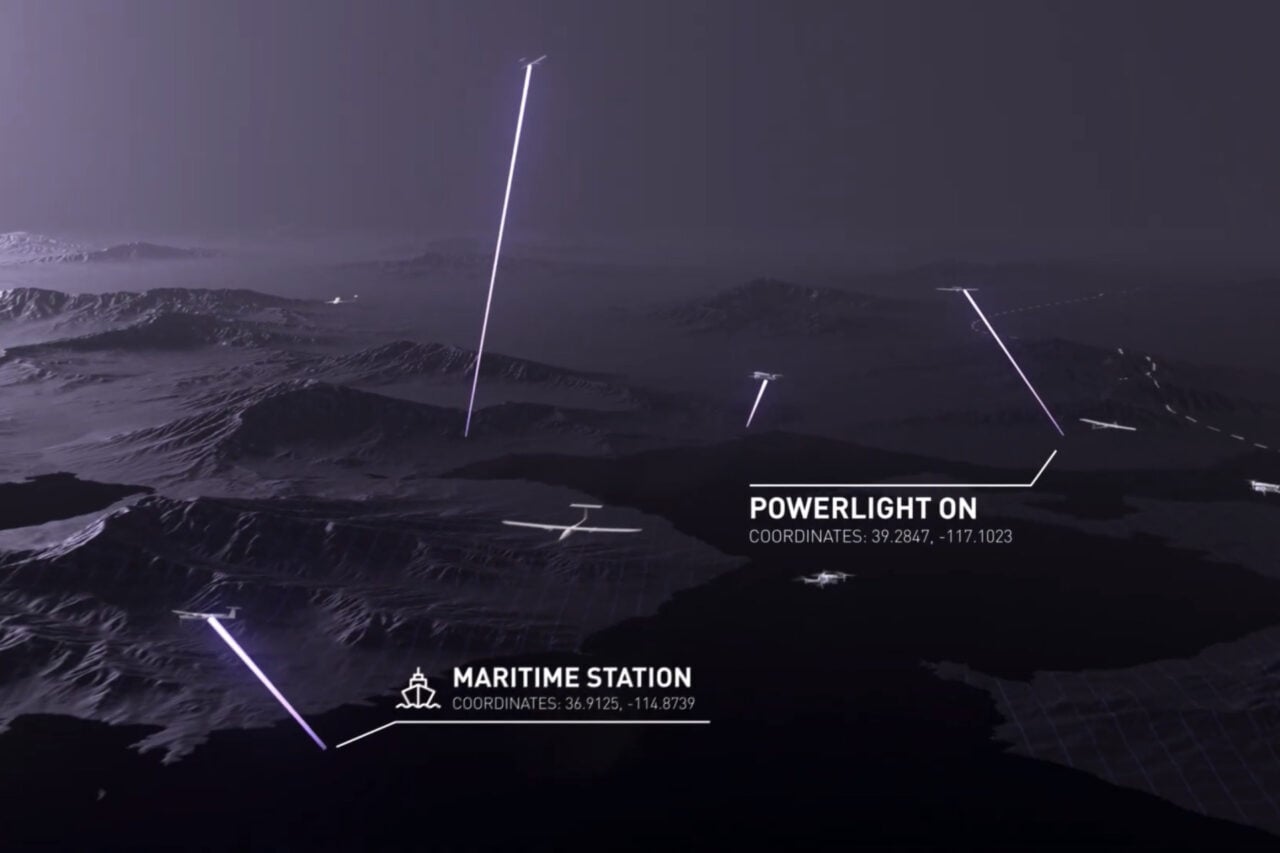
PowerLight Technologies, a Washington D.C.-based startup, has recently announced successful initial trials of its cutting-edge laser power beaming system designed specifically for Unmanned Aerial Systems (UAS). Supported partially by the U.S. Department of Defense, this technology integrates a high-powered laser transmitter with a compact, lightweight receiver mounted on drones, allowing for remote energy transfer without the need for landing.
Tom Nugent, Chief Technology Officer at PowerLight, emphasized the system’s advanced capabilities, stating, “Our approach transcends simple point-to-point laser energy transfer; we are developing a comprehensive mesh energy network that can dynamically supply power to multiple drones simultaneously.”
How the Wireless Charging Mechanism Works
The drone-mounted receiver, weighing around 6 pounds (2.7 kilograms), incorporates laser power converters that capture laser beams and convert them into electrical energy to recharge the drone’s battery. Additionally, a dedicated control module facilitates real-time communication with the ground-based transmitter, ensuring precise energy delivery.
PowerLight’s proprietary algorithms enable the transmitter to communicate with the drone, monitor its flight parameters, and deliver energy precisely where and when it is needed. Nugent noted, “Our successful validation of the power transmission and tracking algorithms confirms the robustness of the system’s core architecture, paving the way for upcoming flight demonstrations.”
Implications for Continuous Drone Operations
Fatema Hamdani, CEO of Kraus Hamdani Aerospace-PowerLight’s collaborator on this project-highlighted the transformative potential of this technology: “A drone platform that can recharge mid-flight effectively achieves uninterrupted operation, eliminating downtime caused by battery depletion.”
PowerLight’s expertise in laser power beaming extends beyond drones. In 2024, the company partnered with Blue Origin to develop a similar system aimed at wirelessly charging lunar rovers, showcasing the versatility and scalability of their technology.
Next Steps: Demonstrating “Infinite Flight” Capability
Following these promising initial tests, PowerLight plans to initiate fully integrated flight trials of their PTROL-UAS system in early 2026. These demonstrations aim to prove the concept of “infinite flight,” where drones can remain airborne indefinitely by continuously receiving power via laser beams, revolutionizing applications in surveillance, delivery, and beyond.