Brazil Faces Significant Renewable Energy Curtailment in 2025
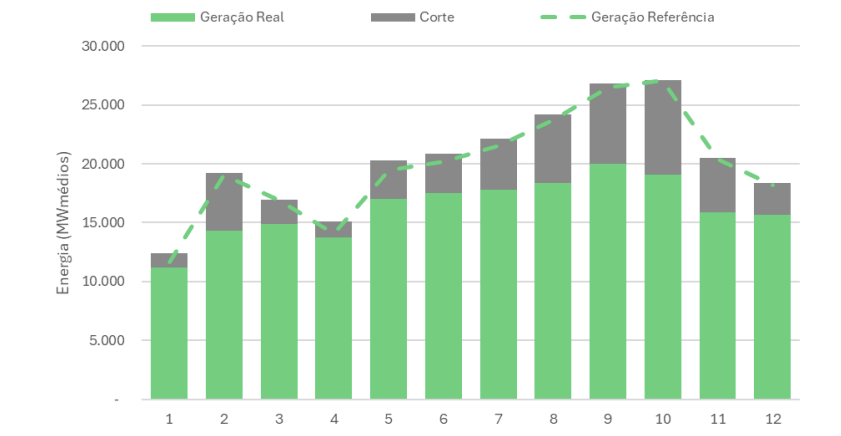
In 2025, Brazil experienced a substantial reduction in the utilization of its solar and wind power generation, with approximately 20% of this clean energy going unused. This inefficiency led to an estimated financial loss of BRL 6.5 billion (around $1.23 billion), as reported by Volt Robotics in their latest annual analysis.
Unprecedented Oversupply and Grid Limitations
The extensive curtailment highlights a new challenge for Brazil’s power system: an oversupply of renewable energy combined with operational constraints within the national grid. On average, generation cuts amounted to 4,021 MW throughout the year-comparable to the monthly output of a major hydroelectric facility. Notably, the grid approached its lower technical safety limits on 16 separate days in 2025, a sharp rise from just one such event in 2024.
Shift in System Risk Dynamics
Unlike previous years where energy scarcity was the primary concern, 2025 marked a pivotal shift where excess electricity supply became the dominant risk factor. This surplus generation, particularly from solar and wind sources, strained the grid’s capacity to maintain stable operations.
Seasonal and Temporal Patterns of Curtailment
The period between August and October saw the most intense curtailment, driven by historically high renewable output coinciding with transmission bottlenecks and subdued electricity demand. Weekends, especially Sunday mornings, emerged as critical stress points. Reduced industrial and commercial activity during these times lowers demand, while solar production peaks and is often supplemented by strong wind conditions, creating a recurring imbalance that forces the grid to limit generation to avoid overloads.
Operational Challenges and Emergency Responses
During the 16 critical days, Brazil’s National System Operator declared severe grid conditions and implemented emergency protocols, including extraordinary curtailments, with support from the National Electric Energy Agency. These measures were necessary to prevent system instability caused by the excess renewable energy feeding into the network.
Economic and Investment Implications
The financial repercussions extend beyond immediate revenue losses. Persistent curtailment raises the perceived risk for investors, leading to higher financing costs and diminishing Brazil’s attractiveness for future renewable energy developments. Both regulated and free-market projects faced challenges, including exposure to contractual penalties and fluctuations in the Settlement Price of Differences.
Regional Disparities in Curtailment
Geographically, the states of Minas Gerais, Ceará, and Rio Grande do Norte formed a “curtailment triangle,” experiencing the highest levels of energy wastage. In contrast, southern regions of Brazil reported significantly lower curtailment rates, underscoring regional grid and demand differences.
Underlying Causes and Recommendations
The root causes of this issue lie in the rapid expansion of renewable capacity, the growth of distributed generation, transmission infrastructure limitations, and tariff structures that fail to incentivize consumption during peak renewable production periods. To address these challenges, Volt Robotics recommends implementing dynamic time-of-use tariffs, enhancing demand-side management, and pursuing regulatory reforms aimed at reducing curtailment and ensuring grid stability.
Looking Ahead
As Brazil continues to expand its renewable energy portfolio, balancing supply and demand will be crucial to maximizing the benefits of clean power. Innovative grid management strategies and market reforms will play a vital role in minimizing energy waste and supporting the country’s transition to a sustainable energy future.