Otto Group Partners with NVIDIA to Revolutionize Logistics with Advanced Robotic Coordination
Hamburg, Germany / New York, USA – January 9, 2026 – The Otto Group has unveiled a groundbreaking partnership with NVIDIA, a global leader in accelerated computing, aimed at transforming supply chain logistics through cutting-edge robotic automation. This collaboration will introduce a sophisticated “Robotic Coordination Layer” across Otto Group’s extensive network of 120 logistics hubs, leveraging NVIDIA’s Omniverse platform and Isaac Sim technology to create a unified, intelligent system for robot management and simulation.
Innovative Robotic Coordination for Enhanced Supply Chain Efficiency
At the heart of this initiative lies the development of a smart virtual navigation and communication framework designed to harmonize the operations of diverse robotic fleets within Otto Group’s logistics centers. Utilizing NVIDIA’s AI infrastructure, including Omniverse libraries and Isaac Sim for AI-driven robotics, the system enables the creation of physics-based digital twins of existing warehouses. These digital replicas allow for accelerated training, testing, and deployment of various autonomous and stationary robots, fostering seamless collaboration and operational agility across the supply chain.
This approach not only streamlines peak demand management but also significantly improves customer satisfaction by ensuring faster, more reliable order fulfillment. The entire software suite is accessible as a turnkey solution via the Google Cloud Marketplace, powered by Google’s robust cloud infrastructure, facilitating rapid scalability and integration.
First Implementation and Strategic Development
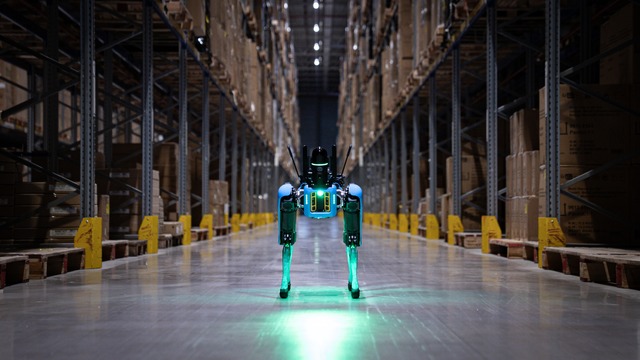
The Hermes Fulfilment center in Loehne, Germany, will serve as the pilot site for this ambitious project, acting as a model for subsequent rollouts throughout the Otto Group’s logistics network. The digital twin of this facility, developed by IT services expert Reply, captures real-time data through advanced sensors and cameras mounted on Boston Dynamics’ Spot robots, enabling precise mapping and dynamic simulation of warehouse operations.
Following this, Otto Group One.O will spearhead the development of the coordination layer’s core functionalities and integration interfaces, taking charge of governance and ongoing management of the system. This phased approach underscores Otto Group’s commitment to pioneering intelligent automation in European retail logistics.
Transforming Warehouses into Adaptive, Intelligent Ecosystems
Azita Martin, Vice President and General Manager of Retail & Consumer Products at NVIDIA, highlights the transformative potential of this technology: “Physical AI is reshaping supply chains by converting static warehouses into dynamic, responsive environments capable of real-time adaptation. By harnessing NVIDIA RTX Pro 6000 GPUs, Omniverse, and Isaac Sim on Google Cloud Platform, Otto Group is setting a new standard for robotic fleet training and coordination, paving the way for highly efficient, agile logistics operations.”
Real-Time Digital Twin Integration
The Robotic Coordination Layer links physical robot fleets with their digital counterparts, providing a live, interactive overview of all robotic activity within the warehouse. This integration allows for virtual reconfiguration of warehouse layouts, enabling process optimization and scenario-based simulations to prepare for fluctuating demand levels. The system also interfaces with existing Warehouse Management Systems (WMS) and robotic fleet management tools, ensuring cohesive communication and control across all automation assets.
Reply’s Executive Partner, Kai Uwe Ernst, emphasizes the significance of this innovation: “Developing a digital twin transcends mere spatial mapping; it empowers intelligent orchestration at scale. By merging NVIDIA’s advanced technologies with our AI and robotics expertise, we are establishing a new benchmark for robotic collaboration that enhances efficiency and flexibility in logistics.”
Key Advantages of the Robotic Coordination Layer
- Enhanced Robot Collaboration: Diverse robotic systems work in concert, optimizing task allocation and resource sharing.
- Rapid Integration of New Technologies: The platform supports swift onboarding of additional robotic fleets to meet evolving operational demands.
- Safe and Efficient Virtual Testing: Operational strategies can be trialed in a risk-free digital environment, minimizing disruptions during real-world deployment.
- Streamlined Robot Management: Comprehensive, user-friendly dashboards provide clear visibility and control over all robotic activities.
Vision for a Fully Digitized Warehouse Network
With an initial investment in the double-digit million Euro range, Otto Group is committed to scaling this technology across its entire logistics infrastructure. The ultimate goal is to establish a fully digitized warehouse ecosystem, where the digital twin functions as a central operating system. This system will integrate robotic fleets, traditional automation technologies such as sorters, and sensor networks for tasks like pallet dimensioning and gate control, creating a cohesive, intelligent logistics environment.
Otto Group: A Legacy of Innovation and Sustainability
Founded over 75 years ago, the Otto Group has evolved from a mail-order catalog company into a leading international digital retail and services conglomerate. Employing 36,300 people across more than 30 countries, primarily in Europe and North America, the group generated revenues of €15 billion in the 2024/25 fiscal year. As Europe’s largest online retailer, Otto Group continues to drive digital transformation in retail, combining market expertise with technological innovation to deliver exceptional customer experiences.
Committed to sustainability since 1986, the Otto Group integrates ecological, social, and digital responsibility into its business model, ensuring that growth and environmental stewardship go hand in hand.