NASA-Backed Robotic Mission Advances Satellite Servicing in Geosynchronous Orbit
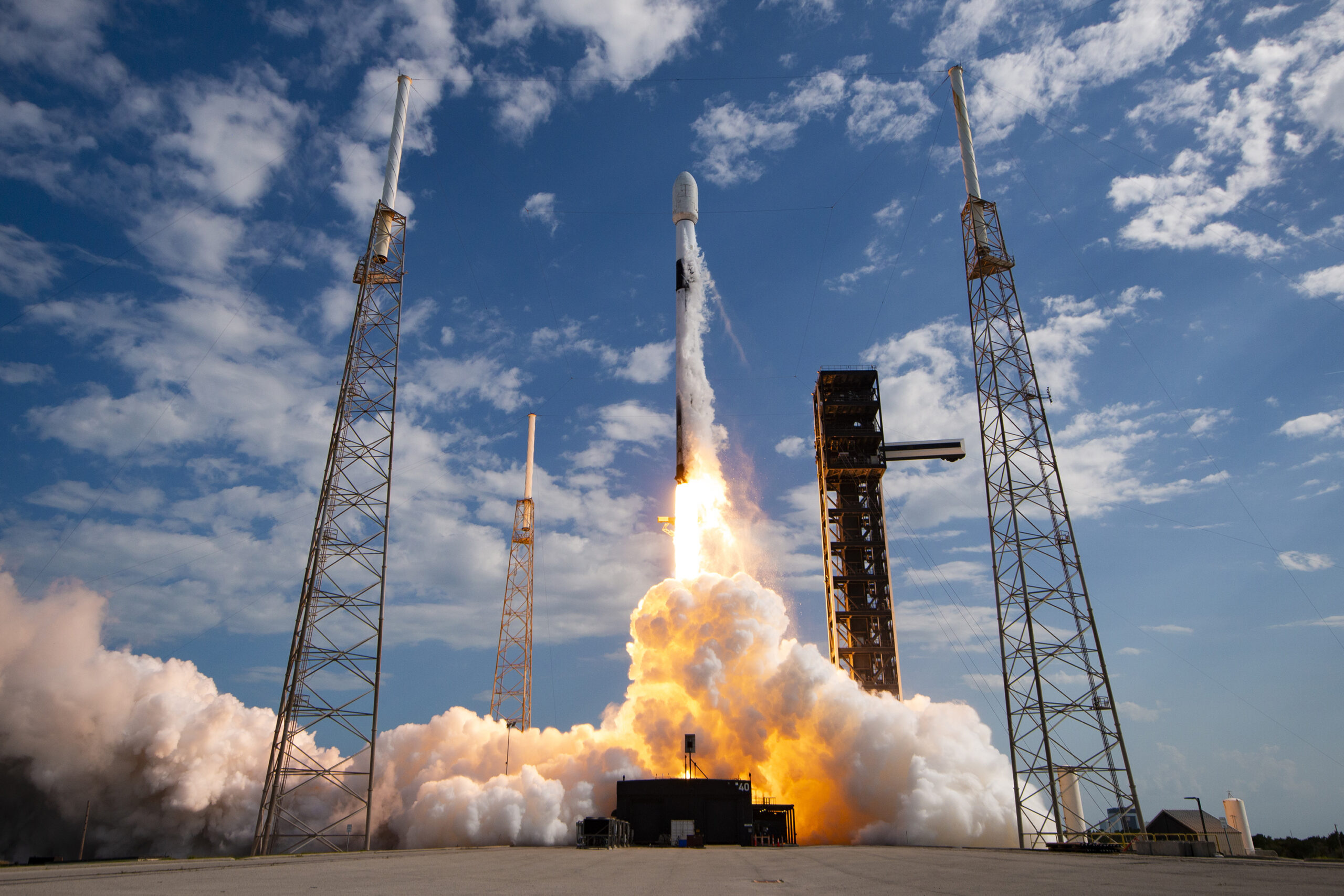
On July 21, a SpaceX Falcon 9 rocket successfully launched the Mission Robotic Vehicle (MRV) from Cape Canaveral, carrying the Robotic Servicing of Geosynchronous Satellites (RSGS) payload, a project supported by NASA. The MRV is now journeying toward geosynchronous Earth orbit, where it will deploy sophisticated robotic technology to maintain and upgrade satellites in space.
Enhancing U.S. Space Capabilities Through Robotics
The RSGS initiative exemplifies NASA’s commitment to expanding American expertise in on-orbit servicing, assembly, and manufacturing. These advancements are pivotal for the future of space commerce and exploration, enabling more sustainable and cost-efficient satellite operations.
Cutting-Edge Robotics Developed by DARPA and the U.S. Naval Research Laboratory
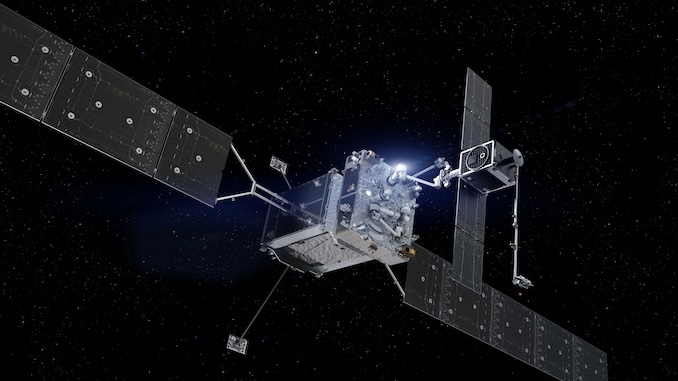
Funded by the Defense Advanced Research Projects Agency (DARPA), the RSGS program features two highly agile robotic arms engineered by the U.S. Naval Research Laboratory. DARPA supplied these robotic manipulators for integration onto Northrop Grumman’s MRV, the first U.S. spacecraft designed for multiple robotic servicing missions in orbit. This spacecraft will perform inspections and upgrades on satellites by attaching compact propulsion units known as mission extension pods, which significantly prolong the functional lifespan of aging satellites.
Collaborative Efforts Between Government and Industry
NASA’s Goddard Space Flight Center in Greenbelt, Maryland, began its support for the RSGS mission in 2024 through an interagency partnership with DARPA. This collaboration brings together government agencies and private sector expertise to validate advanced robotic technologies in the challenging environment of space.
Building on a Legacy of Space Servicing Missions
NASA’s involvement draws on decades of experience from landmark servicing missions, including those for the Hubble Space Telescope and the Robotic Refueling Missions aboard the International Space Station. Contributions to RSGS include the creation of dynamic simulation and analysis software, performance verification tools, and a dedicated team of flight robot operators who will oversee complex robotic procedures during the mission.
Extending Satellite Lifespans to Support a Growing Orbital Infrastructure
Geosynchronous orbit hosts hundreds of satellites critical for communications, weather monitoring, and national security. Many fully operational satellites are prematurely retired due to fuel depletion or outdated technology. RSGS addresses this challenge by enabling in-orbit servicing that extends satellite operational life, fostering innovative mission designs and reducing the need for costly replacements.
By Colleen Wouters
NASA’s Goddard Space Flight Center, Greenbelt, Maryland