Photo courtesy of Buildroid AI
Buildroid AI’s robotic block-laying technology demonstrated during initial field trials, showcasing the integration of BIM-based simulations with coordinated construction site operations.
Buildroid AI: Revolutionizing Construction Robotics with Simulation-Driven Automation
Buildroid AI, an innovative U.S.-based startup specializing in construction robotics, is gearing up to launch its technology in the American market following successful pilot programs in the United Arab Emirates. Bolstered by a recent $2 million funding round, the company aims to transform traditional masonry and partition wall installation through advanced robotic automation.
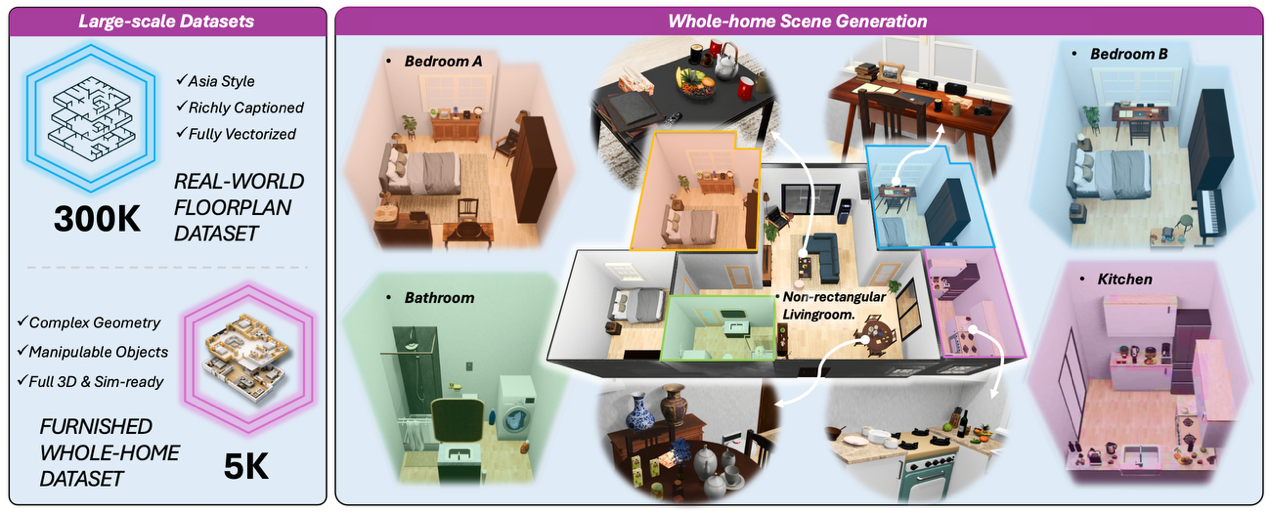
Founded by construction technology expert Slava Solovitsyn and robotics engineer Anton Glance, Buildroid leverages cutting-edge Nvidia Omniverse digital twin simulations to optimize robotic workflows before deployment on job sites. This simulation-first methodology enables the company to identify the most efficient and cost-effective processes, addressing the historically low adoption rates that have challenged previous automation efforts in construction.
Innovative Simulation-First Approach to Construction Automation
Buildroid’s platform focuses initially on automating blockwork and partition wall assembly-two areas frequently cited as bottlenecks in construction schedules. The system integrates multiple robotic units, including two types of block-laying robots capable of handling masonry units weighing up to 40 kilograms, and an autonomous mobile robot responsible for material transport.
At the core of Buildroid’s technology is a sophisticated software framework that employs hierarchical network planning to orchestrate high-level task sequences, complemented by behavior trees that manage localized operations. Through iterative simulation cycles, the platform evaluates plans based on parameters such as cost efficiency, project duration, and the number of robots deployed, ensuring optimal performance before physical execution.
Anton Glance explained, “Our validation process involves repeated simulation iterations to fine-tune workflows and meet specific optimization goals.”
Seamless BIM Integration and Adaptive Digital Twins
Buildroid’s system is designed to seamlessly ingest Building Information Modeling (BIM) data, converting Revit models into OpenUSD format alongside YAML sequence files and supplementary metadata. While the platform accepts LOD300 BIM inputs, it typically enhances these models to LOD400 or LOD500 during simulation by adding detailed textures, physical characteristics, and material properties to more accurately replicate real-world conditions.
Once operational, the platform maintains a persistent digital twin of the construction site, dynamically adjusting schedules and task allocations in response to changes such as robot downtime or site condition variations. This adaptive capability minimizes project delays by redistributing workloads in real time.
Successful Pilot Projects and Strategic U.S. Market Entry
Buildroid’s technology underwent its first practical validation through pilot projects in the UAE, where regulatory flexibility allowed rapid development cycles. ALEC, a leading regional contractor, actively deployed the robotic block-laying system on-site. Imad Itani, ALEC’s Head of Innovation, highlighted the value of Buildroid’s BIM-based simulation tools in mitigating risks prior to physical implementation.
Looking ahead, Buildroid plans to initiate its U.S. operations by 2026, navigating the more complex regulatory landscape with state-level licensing and compliance requirements. The company’s entry strategy involves partnerships with major general contractors to ensure smooth adoption and scalability.
Hardware-Agnostic Platform and Expanding Robotic Ecosystem
Buildroid’s platform is designed to be hardware-neutral, currently supporting over 40 different robot models. The company is actively collaborating with manufacturers to develop digital twins for robots specializing in concrete polishing, leveling, and plastering, broadening the scope of automated construction tasks.
While robots with advanced autonomy integrate most seamlessly, Buildroid continuously enhances the capabilities of less sophisticated machines to meet performance standards. This inclusive approach facilitates a diverse robotic ecosystem tailored to various construction needs.
Vision for Multi-Robot Workflows and Industry-Wide Productivity Gains
Blockwork automation serves as Buildroid’s initial entry point into a comprehensive roadmap aimed at orchestrating multi-robot workflows across interior fit-outs and eventually larger phases of the construction lifecycle. Slava Solovitsyn emphasized the company’s mission to elevate productivity and operational efficiency on a global scale through innovative robotics and simulation technologies.