Establishing a Lunar Biocontainment Hub to Safeguard Earth
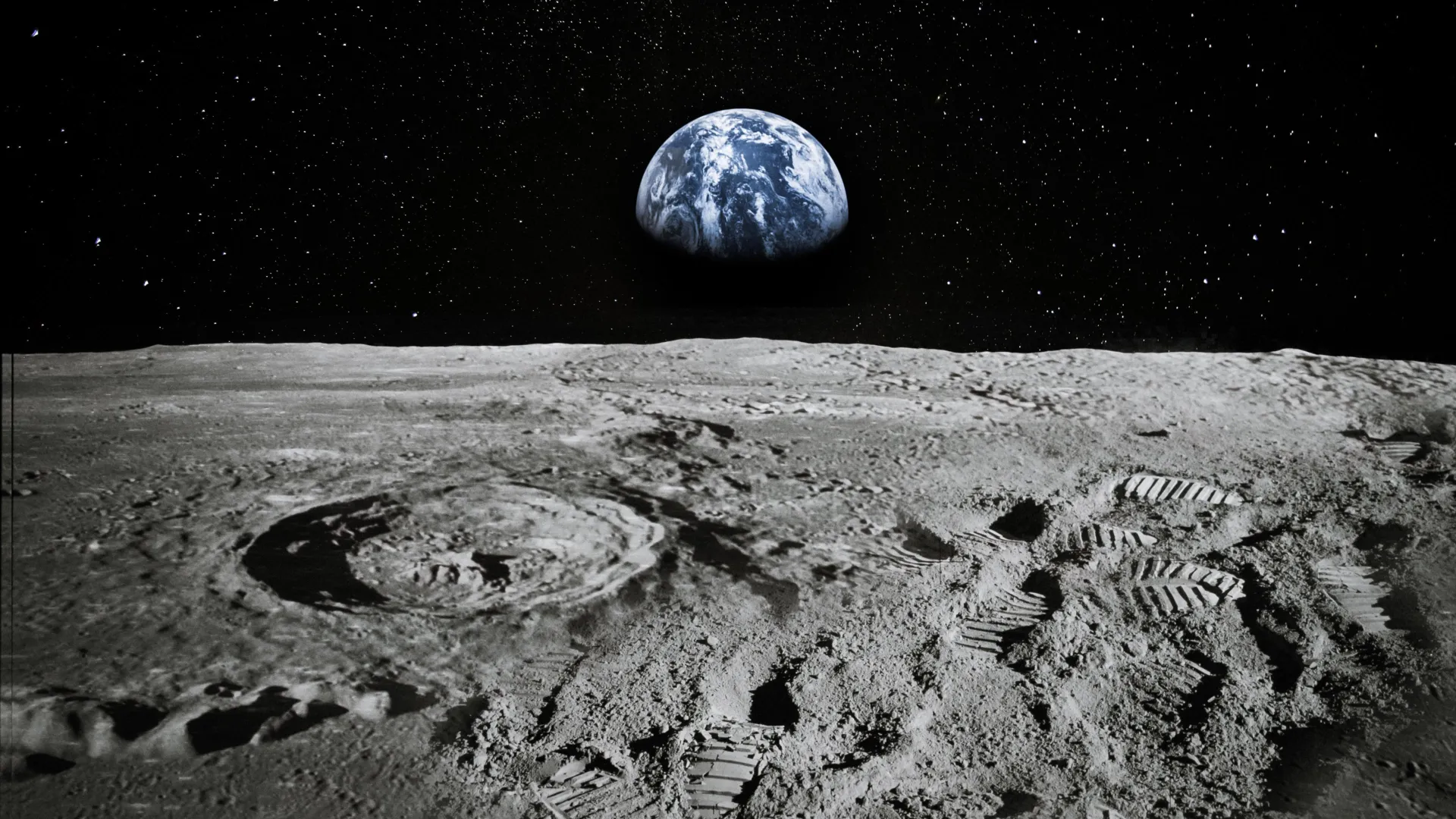
As space exploration ventures grow bolder, a recent policy paper advocates for the creation of a dedicated biocontainment facility on the moon. This installation would serve as a critical barrier, preventing any potentially hazardous biological substances brought back from extraterrestrial environments from reaching Earth.
Preparing for the Next Wave of Extraterrestrial Sample Returns
With upcoming missions targeting sample collection from the moon, Mars, and other celestial bodies, space agencies and researchers are gearing up for unprecedented scientific opportunities. However, this surge in activity also raises concerns about planetary protection protocols, which experts argue have not evolved sufficiently to address the risks posed by returning alien materials.
Frederick I. Moxley, Director of Strategic Threat Analysis and Research Laboratories, emphasizes that the proposed lunar facility would function as a protective firewall, isolating Earth from any unknown or potentially dangerous organisms that might accompany future space missions. His co-author, Anthony Ricciardi, a renowned biologist and environmental expert, supports this precautionary approach.
Implementing a Lunar Quarantine System for Extraterrestrial Samples
Published in the journal Ambio, the study outlines a strategy where all extraterrestrial materials would first be transported to a secure, automated quarantine station on the moon. This approach relies heavily on advanced robotics to handle and analyze samples, minimizing human contact and reducing the risk of accidental contamination.
By conducting initial examinations off-planet, scientists can better control and contain any unknown biological agents before considering their transfer to Earth-based laboratories.
Addressing the Unknowns: Biological Hazards from Space
While no definitive evidence of extraterrestrial life has been found, the authors caution against underestimating the potential ecological impact of introducing alien organisms to Earth’s biosphere. Drawing parallels to terrestrial invasive species, they highlight how even minor biological introductions can trigger widespread environmental upheaval.
Ricciardi points to extensive research on invasive species, noting that organisms introduced into non-native habitats can proliferate uncontrollably, causing irreversible damage to ecosystems. This history underscores the necessity of a stringent, precautionary framework when dealing with samples of extraterrestrial origin.
Rising Space Activity and the Imperative for Enhanced Biosafety
The rapid expansion of space exploration-driven by both governmental agencies and private enterprises-has led to a more congested and complex orbital environment. This intensification amplifies the urgency for robust biosafety measures to prevent accidental contamination.
The paper outlines potential worst-case scenarios, such as spacecraft accidents involving contaminated materials or astronauts exposed to alien environments. The authors argue that current Earth-based containment facilities lack the capacity to fully neutralize or control unknown extraterrestrial microorganisms in the event of a breach.
The Moon: A Strategic Outpost for Planetary Protection
Recognizing the moon as a strategic location, the researchers propose it as humanity’s first defensive line against biological threats from space. They stress that while discovering extraterrestrial life would be a monumental scientific milestone, it is equally vital to implement safeguards that mitigate any associated risks before samples reach Earth.
By establishing a lunar quarantine station, humanity can responsibly advance space exploration while protecting Earth’s delicate ecosystems from unforeseen biological hazards.