Global Youth Unite in FIRST Global Robotics Challenge: Competition Meets Collaboration
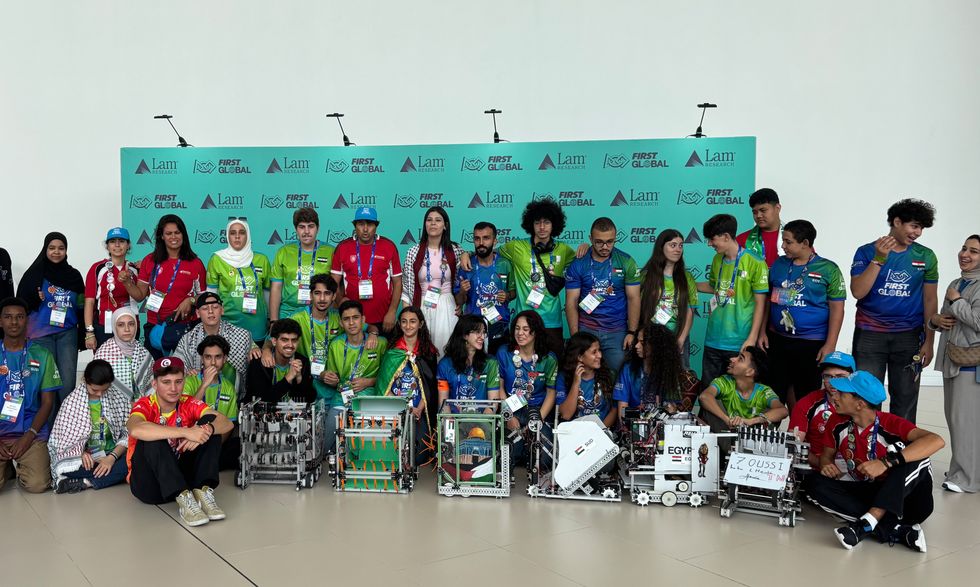
In October, Panama City became the vibrant hub for young innovators as over 190 countries sent their brightest student engineers to participate in the annual FIRST Global Robotics Challenge. This prestigious event, designed to ignite passion for STEM among youth aged 14 to 18, revolves around a fresh theme each year to inspire creative problem-solving and teamwork. The 2023 edition focused on “Eco Equilibrium,” highlighting the critical need to safeguard endangered species and maintain ecological balance.
Robotics as a Dynamic Team Sport
The competition format transformed robotics into an exhilarating sport, where teams engaged in fast-paced ranking matches lasting two and a half minutes. Each match featured multiple simultaneous objectives: robots first collected “biodiversity units” – colorful spheres symbolizing ecological assets – and delivered them to their human teammates. Next, they removed “barriers,” represented by larger gray spheres, from designated containers and relocated them to scoring zones. Finally, team members threw biodiversity units into the cleared containers to accumulate points. A thrilling finale required each robot to ascend a 1.5-meter rope, adding a physical challenge to the technical tasks.
Matches were structured with two alliances, each comprising three teams working in unison despite operating individual robots. Remarkably, if all six robots in a match successfully climbed the rope, each team’s score was boosted by a 1.5 multiplier, emphasizing the value of cooperation over competition.
Alliance Playoffs and Champions
The top 24 teams advanced to the playoffs, grouped into six alliances of four teams each. The alliance with the highest combined score was crowned the winner. This year’s champions hailed from Cameroon, Mexico, Panama, and Venezuela, with every student receiving medals in recognition of their achievement.
Beyond the competitive spirit, the event radiated camaraderie. Students from opposing teams celebrated each other’s successes, exemplified by cheers and hugs when all robots completed the rope climb. South African team member Clyde Snyders encapsulated the ethos: “It’s about learning and growing, not just winning.”
Pathways to the Global Stage
Qualification for the FIRST Global Challenge is fiercely competitive, with countries hosting local contests that attract thousands of young robotics enthusiasts. Selection methods vary widely: some nations send their highest-scoring teams, while others assemble composite teams from multiple groups to maximize talent diversity.
This year, Team Jamaica faced extraordinary hurdles. Just one day before the competition, Hurricane Melissa struck the island with unprecedented force, causing widespread devastation, 32 fatalities, and billions in damages. The team endured multiple flight cancellations and travel disruptions but, thanks to support from FIRST Global organizers, arrived just in time to compete and avoid disqualification. Team captain Joelle Wright expressed their gratitude: “Despite the challenges, we’re thrilled to be here, showcasing our dedication and skills.” Their resilience earned them a well-deserved bronze medal.
Collaborative Innovation in the Robot Repair Hub
The event’s “robot hospital” was a bustling center of teamwork and ingenuity, where students from diverse countries gathered to troubleshoot, repair, and enhance their machines. Equipped with tools, spare parts, and volunteer assistance, this space fostered cross-cultural collaboration and knowledge exchange.
Janet Kapito, an electrical engineer and operations manager at Robotics Foundation Malawi, who once competed in FIRST Global herself, described the experience as “challenging but deeply rewarding.” She highlighted how volunteers and participants alike benefit from exposure to varied problem-solving approaches and independent thinking.
On the first day, the Ecuadorian team faced a major setback when their robot was delayed in transit. Undeterred, they constructed a new robot using parts from the hospital. Meanwhile, Tanzanian students worked diligently to fix a climbing mechanism malfunction, and when South Africa’s robot encountered mechanical issues, teams from Venezuela, Slovenia, and India stepped in to assist. This spirit of mutual aid underscored the event’s core message: collaboration drives innovation.
Mentorship: Cultivating Tomorrow’s Engineering Leaders
Behind every team stood dedicated mentors, many of whom are alumni of the competition, committed to nurturing the next generation of engineers. Rob Haake, mentor to Team USA and COO of Weiland, Inc., emphasized the importance of student-led design and construction. “I intentionally take a hands-off approach to encourage independent problem-solving,” he explained. “If you asked me to operate the robot, I probably wouldn’t know how.”
Haake’s passion lies in equipping young people with critical thinking and technical skills essential for future technological leadership. He identified a significant challenge: the shortage of mentors. He urges engineers to connect with local schools to support or establish robotics clubs, whether through volunteering time or providing financial resources. “Your involvement could help shape a student who might one day represent your country on the global stage,” he said.