Revolutionizing Factory Automation: Theker’s Adaptive Robotics Approach
While humanoid robots have yet to fully replace human labor on factory floors, the manufacturing sector is rapidly embracing innovative automation solutions to address persistent workforce shortages. Increasingly, companies are turning to startups that offer flexible, efficient robotic systems without the typical compromises associated with traditional automation.
Beyond Single-Task Robots: Theker’s Vision for Versatile Automation
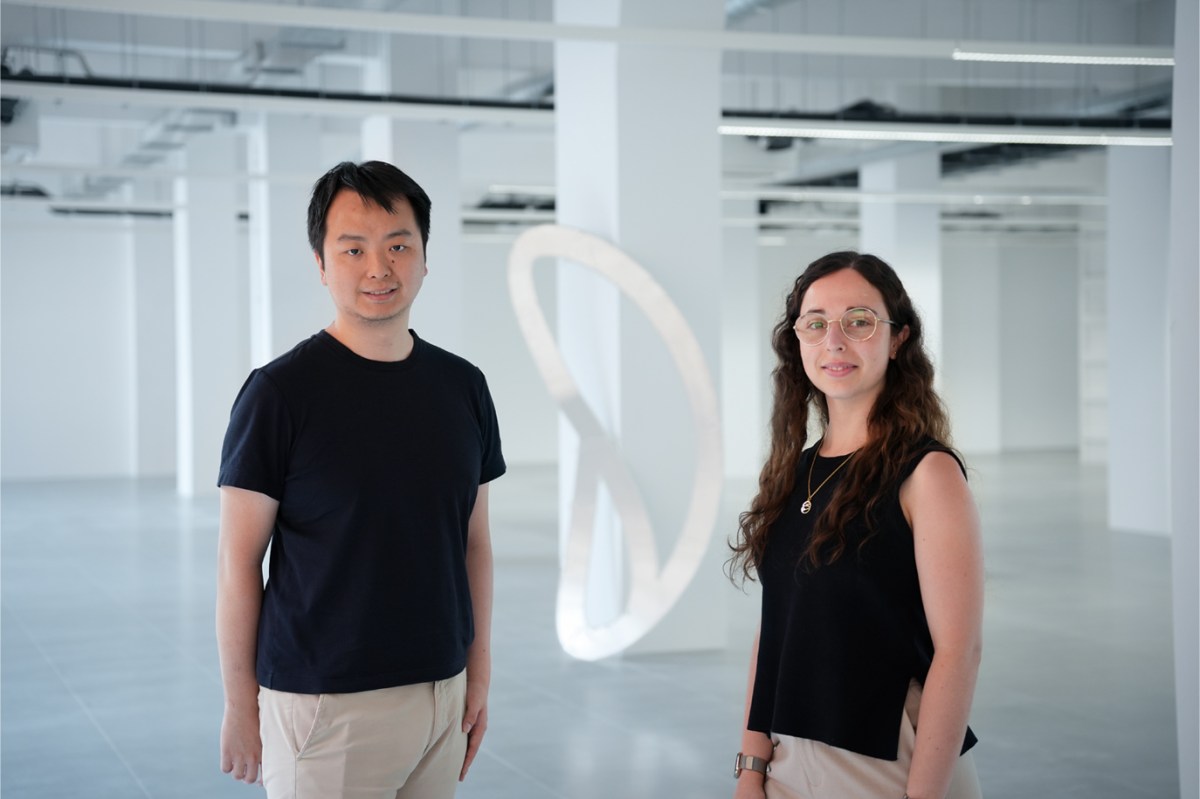
Barcelona-based startup Theker is pioneering a new breed of AI-powered robots designed to handle a variety of tasks rather than being limited to repetitive, uniform actions. Co-founder Carla Gómez Cano explains that while robots excel at monotonous jobs-like placing identical cookies into boxes-most industrial processes demand adaptability and flexibility that conventional robots lack.
Modular Design for Complex Industrial Needs
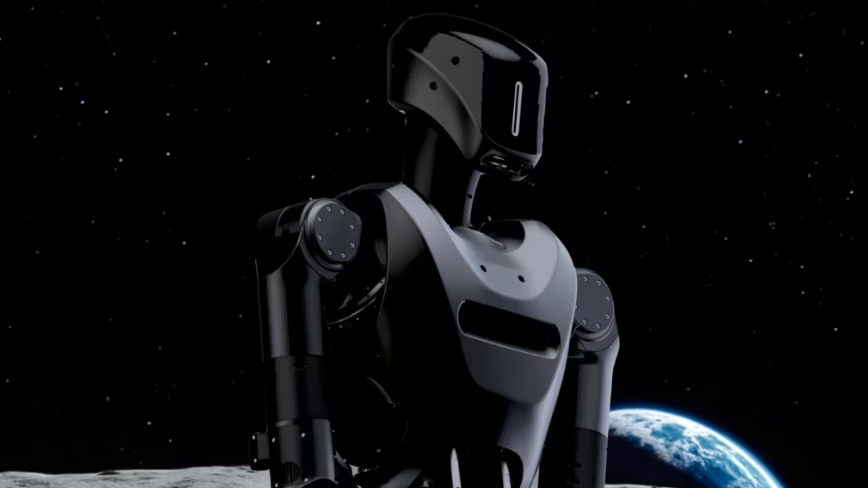
Unlike humanoid robots with fixed structures, such as those developed by Boston Dynamics, Theker’s machines feature modular components. Their arms, hands, and overall configurations can be customized or resized to suit diverse applications, from sorting parcels and packing apparel to managing bottles and cans in warehouse environments. This adaptability allows Theker’s robots to thrive in the unpredictable and varied conditions typical of modern manufacturing.
Strategic Partnerships and Expanding Ambitions
Theker’s early collaboration with Inditex, the parent company of Zara, highlights the startup’s initial focus on retail logistics. However, the company’s aspirations extend far beyond, targeting heavy industrial sectors where manual labor is more complex and voluminous. This broad scope positions Theker as a key player in the future of industrial automation.
Record-Breaking Funding and Growth Trajectory
Recently, Theker secured $85 million in what is touted as Europe’s largest Series A funding round for a robotics company, underscoring strong investor confidence. This round was spearheaded by American venture capital firm CRV and included heavyweight backers such as Samsung and Aglaé Ventures, the investment arm linked to LVMH’s Bernard Arnault. Notably, this funding round follows a record-setting seed round less than a year prior, reflecting rapid momentum.
Collaborations with Industry Giants
Although Samsung is not yet a client, discussions are progressing toward a multifaceted partnership where Samsung could serve as customer, supplier, and investor simultaneously. Such a relationship would provide Theker with critical manufacturing scale, credibility, and revenue streams, accelerating its market penetration.
Direct Integration into Operations Over Pilots
Gómez Cano emphasizes that Theker was never intended to be a pilot-stage company. Instead, the startup bypasses innovation labs and directly engages with logistics and operations teams, where contracts are concrete and deployment timelines are accelerated. This pragmatic approach aims to deliver tangible results swiftly.
Scaling Up: Showrooms and Workforce Expansion
To showcase its capabilities, Theker operates a showroom in central Barcelona and plans to establish additional locations across Europe, the United States, and Asia. The company is also aggressively expanding its team, with over 15,000 job applications received and a projected headcount increase from a few dozen to approximately 120 employees by year-end. This growth spans technical development, deployment, and sales functions.
Commitment to Barcelona and Europe’s Robotics Ecosystem
Despite the global nature of its ambitions, Theker remains firmly rooted in Barcelona, a burgeoning robotics hub within Europe. Gómez Cano notes that being based in Europe has not hindered the company’s acceleration; rather, it leverages the region’s growing tech ecosystem to its advantage.
Looking Ahead
As labor shortages continue to challenge manufacturers worldwide, Theker’s flexible, AI-driven robotic solutions offer a promising path forward. By combining modular hardware with advanced software, the startup is poised to transform how industries approach automation, making it more adaptable, scalable, and efficient.