Revolutionizing Soft Robotics: The Emergence of HydroSpread Technology
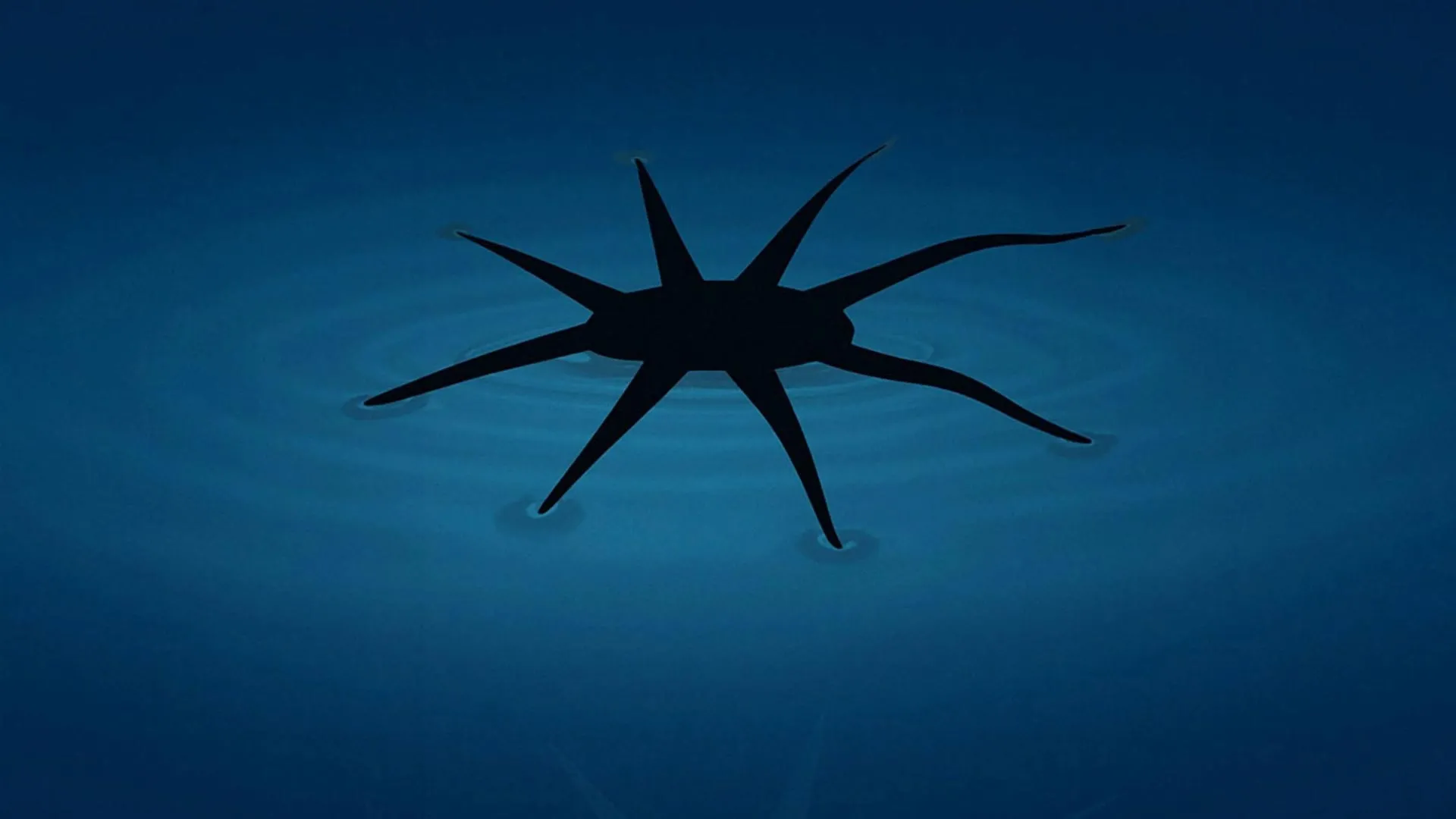
Picture a miniature robot, no bigger than a leaf, gliding effortlessly across a pond’s surface much like a water strider. Such tiny devices could soon revolutionize environmental monitoring by detecting pollutants, gathering water samples, or exploring hazardous zones inaccessible to humans.
Introducing HydroSpread: A Breakthrough in Soft Robot Fabrication
Baoxing Xu, a distinguished professor of mechanical and aeronautical engineering at the University of Virginia’s School of Engineering and Applied Science, has developed an innovative fabrication technique called HydroSpread. Detailed in a recent publication in Science Advances, this method marks a significant advancement in the field of soft robotics by enabling the direct creation of soft, buoyant structures on water surfaces. This approach holds promise across diverse sectors, including healthcare, electronics, and environmental science.
Overcoming Traditional Manufacturing Challenges
Previously, the production of thin, flexible films for soft robots involved crafting them on rigid substrates like glass, followed by a delicate peeling and transfer process onto water. This method frequently resulted in damage such as tearing or deformation. HydroSpread circumvents these issues by utilizing the water itself as a natural fabrication platform. Liquid polymer droplets spread spontaneously into ultra-thin, uniform films atop the water’s surface. Employing a finely calibrated laser beam, Xu’s team can intricately pattern these films into complex shapes-ranging from geometric patterns to logos-with exceptional accuracy.
Innovative Soft Robot Prototypes Inspired by Nature
Using HydroSpread, the researchers engineered two insect-inspired prototypes:
- HydroFlexor: A robot that propels itself by mimicking fin-like paddling motions.
- HydroBuckler: A device that “walks” forward using buckling feet, drawing inspiration from the locomotion of water striders.
In laboratory tests, these robots were powered by an overhead heat source. The temperature changes caused the layered films to bend and buckle, generating controlled paddling or walking movements. By toggling the heat on and off, the team demonstrated the robots’ ability to modulate speed and direction, confirming the feasibility of precise, repeatable actuation. Future iterations may incorporate responsiveness to magnetic fields, sunlight, or embedded microheaters, enabling autonomous adaptation and movement.
Advantages of Liquid-Based Fabrication
“Creating films directly on a liquid interface offers unparalleled integration and precision,” Xu explains. “This method eliminates the need for transferring delicate films from rigid surfaces, providing a flawlessly smooth platform that minimizes failure rates throughout the manufacturing process.”
Broader Implications Beyond Soft Robotics
HydroSpread’s capacity to produce fragile, flexible films without damage opens new avenues for wearable medical devices, flexible electronics, and environmental sensors. These applications demand materials that are not only thin and pliable but also robust enough to function in challenging environments where conventional rigid components fall short.
About Baoxing Xu and His Research Team
Baoxing Xu is a nationally acclaimed expert in mechanics and bioinspired engineering, specializing in compliant structures. His laboratory at UVA Engineering focuses on translating natural strategies-such as the delicate mechanics behind insect movement-into durable, practical technologies for human use.
This research was supported by the National Science Foundation and 4-VA, with significant contributions from graduate and undergraduate students at UVA’s Department of Mechanical and Aerospace Engineering. These emerging engineers gained valuable experience working with cutting-edge fabrication and robotic systems.