Unitree Robotics’ new H2 humanoid robot brings “streamlined elegance” into humanoid robotics. The H2 is a full-sized, bipedal machine that costs USD 29,900. The H2 combines industrial engineering with a refined design that Unitree describes on its website.
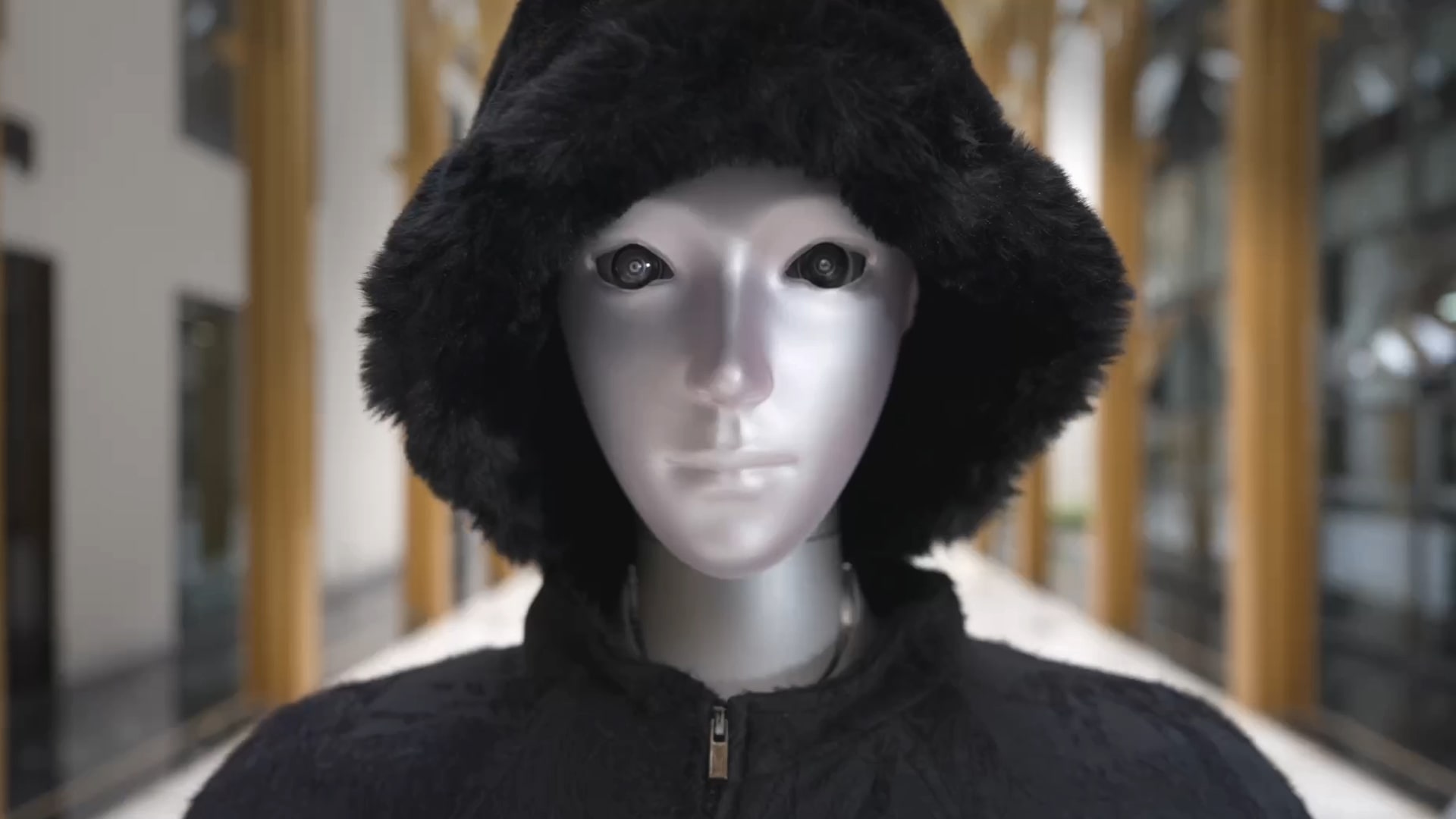
This launch marks a change in Unitree’s design language. The H2 has a redesigned head that is more human-like. It features smoother contours, a bionic facial system integrated with stereo vision and dual-eye cameras. According to the company’s redesign, it aims to balance function and form, positioning humanoid robotics as both approachable, and efficient.
The H2 is 1.82 meters high and weighs about 70 kilograms. It has 31 degrees of freedom, six for each leg, seven for each arm, and three around the waist. The internal PMSMs (permanent magnetic synchronous motors) power each limb, generating up 120 newton meters of torque at the joints in the arms and 360 newton meters in the legs. The frame is constructed from aircraft-grade aluminium, titanium alloy and high-strength plastics in order to optimize the strength/weight ratio.
The battery has a 15-ampere-hour capacity and can provide up to three hours continuous operation. The H2 supports WiFi 6 and Bluetooth 5.2. It also includes voice interaction through an array microphone and a speaker. It offers modular computing options ranging between Intel Core i5 or i7 processors and Nvidia Jetson AGX Thor which can deliver up to 2070 TOPS of artificial intelligence computation.
The H2 EDU is a variant that targets academic and research users. It includes customizable compute modules and a 12-month warranty compared to eight months with the standard version.
The H2 is more than just a technical profile. It reflects Unitree’s efforts to redefine its robotics style. The “streamlined elegance” initiative of the company emphasizes smoother, more humanlike exteriors. This reflects a wider industry trend to humanize robotics designed for domestic or social settings. As humanoid robotics approach commercial viability, it is unclear whether consumers will prefer humanlike designs or more mechanical forms.
At under USD 30,000, the H2 is among the most affordable humanoid robots on the market, significantly undercutting models from both domestic and international peers. The pricing aligns with Unitree’s broader strategy of accessibility, which has helped it capture an estimated 60% share of the global quadruped robot market through models such as the Go2.
Competition, however, is intensifying. In China, Noetix Robotics recently introduced Bumi, a smaller humanoid robot with limited mobility but a lower price of RMB 9,998 (USD 1,400), about one-third the cost of the H2. The expanding range of models underscores how developers are racing to define the next mass market robotics platform—one that combines dexterity, safety, and a design suited to coexist in human environments.