The Future of Disaster Response: The Flying Humanoid Robot iRonCub
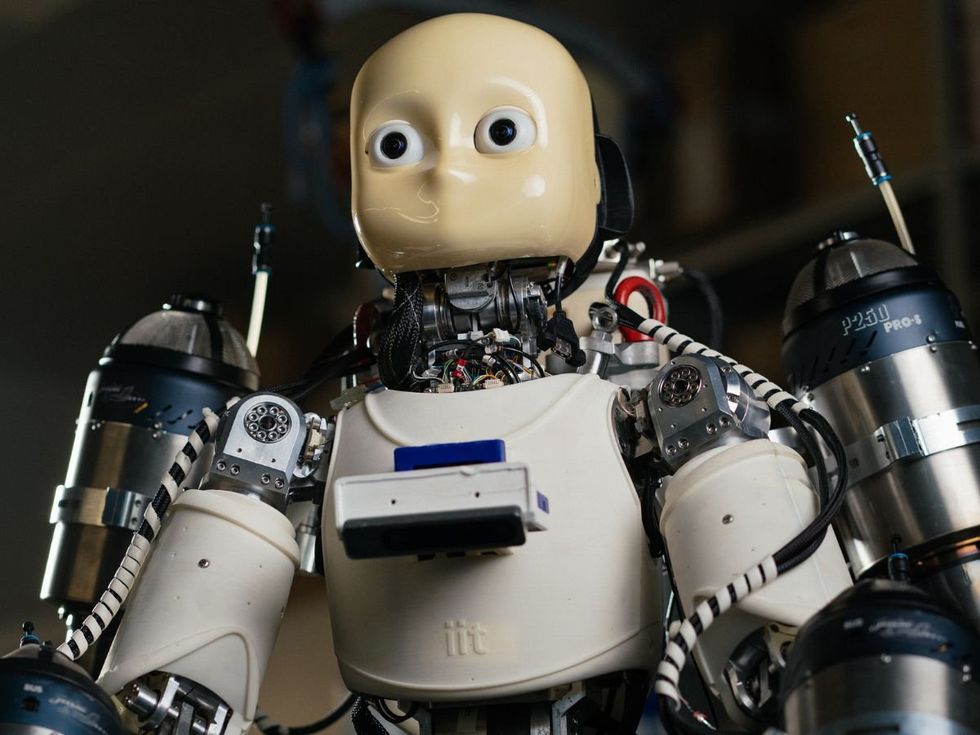
For nearly a decade, the Artificial and Mechanical Intelligence Lab at the Italian Institute of Technology in Genoa has been pioneering an extraordinary robotics project: iRonCub. This humanoid robot, inspired by the size and proportions of a young child, is equipped with jet propulsion technology that enables it to take flight-much like a miniature Iron Man. Since its inception in 2017, the project has steadily advanced toward a vision of robots that can swiftly navigate disaster zones, combining aerial mobility with dexterous manipulation capabilities.
From Concept to Reality: iRonCub’s Flight Milestone
This summer marked a significant breakthrough when iRonCub successfully lifted off the ground, hovering approximately 50 centimeters for several seconds using four powerful engines. This achievement represents a critical step toward the robot’s intended role in emergency scenarios. The ability to fly allows iRonCub to bypass obstacles that would hinder ground-based robots or human responders, reaching affected areas rapidly and safely.
Once on the ground, iRonCub transitions to walking mode to conserve energy, utilizing its articulated arms and hands to clear debris, open doors, and assist in rescue operations. This dual-mode mobility-flight and bipedal locomotion-positions iRonCub as a versatile tool for disaster relief, capable of adapting to complex environments where traditional machines might struggle.
Engineering Challenges: Mastering Flight and Stability
Achieving stable flight in a humanoid robot presents unique technical hurdles. The jet turbines mounted on iRonCub’s back and arms generate thrust exceeding 1000 newtons, but controlling these engines requires precise coordination. Because the turbines take time to spool up, the robot must carefully manage thrust distribution to maintain balance and avoid destabilizing aerodynamic forces.
Moreover, the robot’s flight path must be meticulously planned to prevent the exhaust gases from interfering with its own structure. Aerodynamic forces, even at low altitudes, can impact stability and control. To address these challenges, Pucci’s team developed advanced algorithms that integrate classical control theory with machine learning techniques, enabling real-time adjustments to flight dynamics. Their research, recently published in a leading engineering journal, offers a comprehensive framework for modeling and compensating aerodynamic effects in flying humanoid robots.
Innovative Cross-Industry Insights
Interestingly, the project’s innovations have found applications beyond aerial robotics. During development, the team collaborated with a company specializing in pneumatic grippers. They discovered that the dynamic control principles used for jet turbines could be adapted to regulate the gripper’s force, illustrating how breakthroughs in one domain can catalyze advancements in another. This synergy exemplifies how ambitious research projects can drive broader technological progress.
Inspiring the Next Generation and Future Directions
Beyond its technical achievements, iRonCub serves as a beacon for attracting and motivating talented researchers and students. Projects of this caliber generate enthusiasm reminiscent of landmark robotics challenges, fostering a vibrant community passionate about pushing the boundaries of what robots can achieve.
Looking ahead, the team plans to enhance iRonCub’s maneuverability by integrating a new jetpack system that offers improved yaw control. Additionally, adding wings could enable more energy-efficient, longer-distance flights, expanding the robot’s operational range. However, as testing grows more complex, the team anticipates collaborating with local authorities, such as Genoa Airport, to conduct advanced flight trials safely.
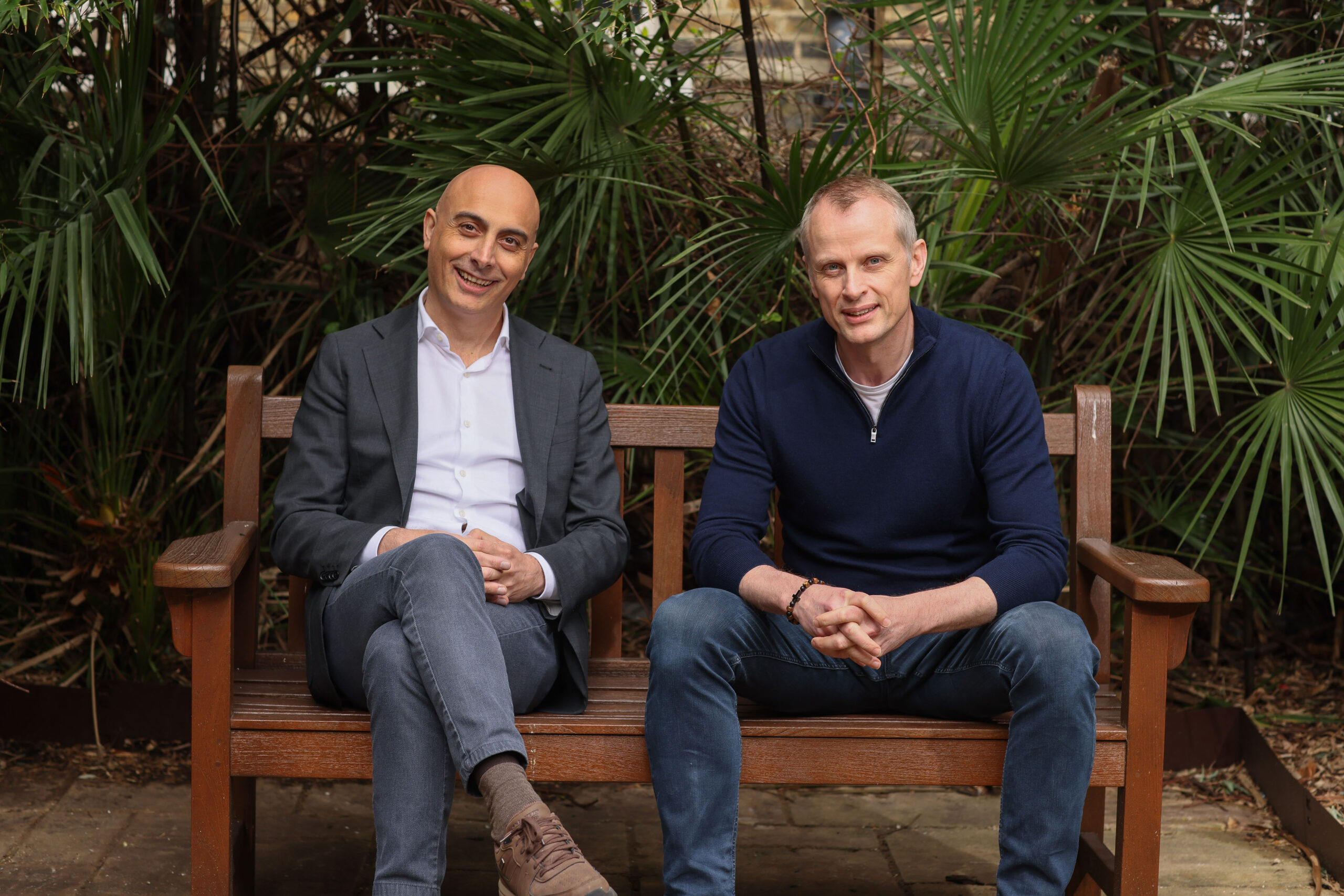
Despite the challenges, the team remains resolute. As Daniele Pucci emphasizes, “This is not just an experiment-it’s a commitment to creating something truly transformative. We are driven by the prospect of making history and contributing to a safer, more responsive future.”